
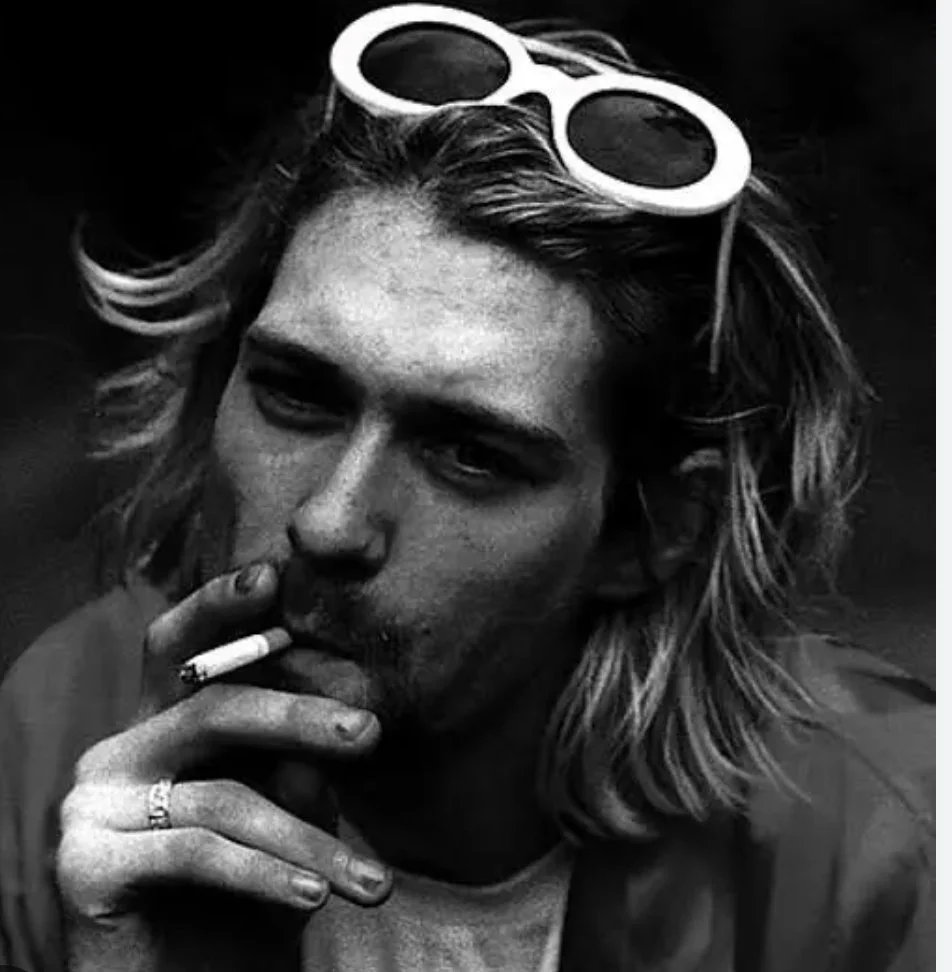
🎸 “What Else Could I Write? I Don’t Have the Right.” — Kurt Cobain and the Echo of a Generation
Kurt Cobain didn’t just write songs — he wrote the ache of a generation that refused to be polished. In his tattered sweaters, chipped nails, and truth-soaked lyrics, he showed Gen-X what honesty really looked like. Decades later, his ghost still hums in every garage, every heartbreak, every artist daring to stay real.
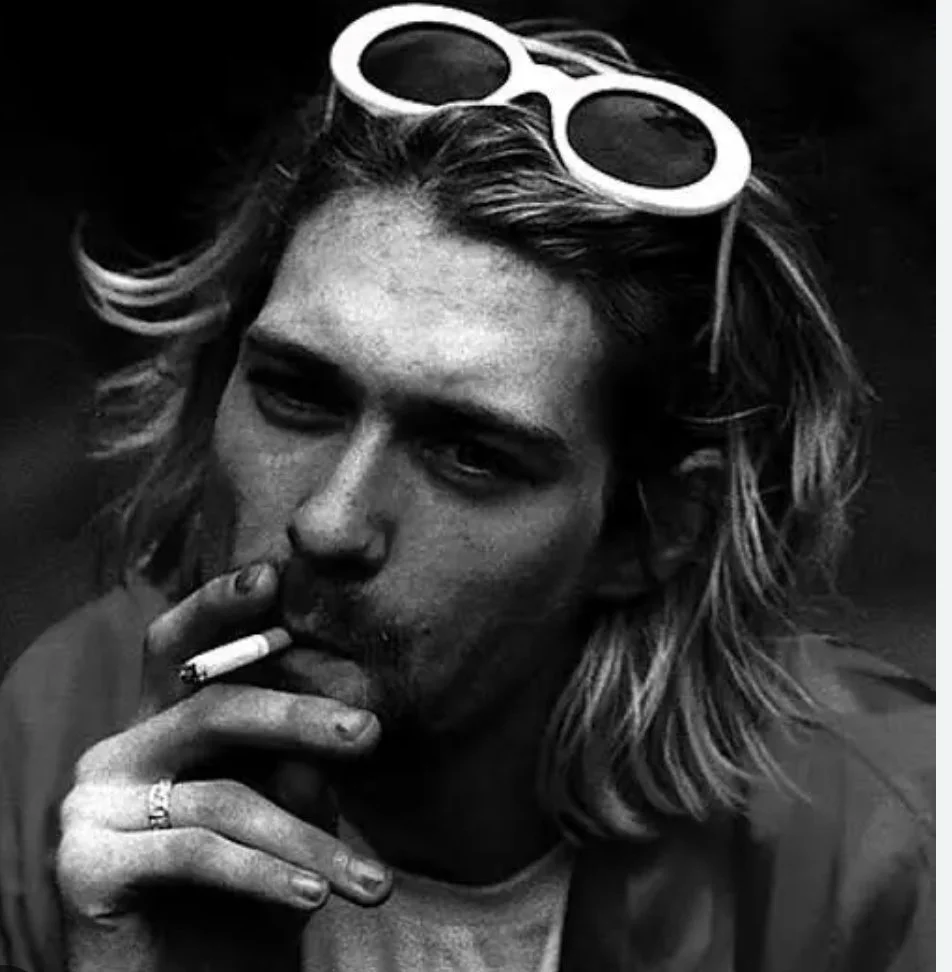
“The sound of truth never dies. It just finds new chords.”
Written by Ian Primmer
In the quiet between the noise, Kurt Cobain’s words still linger like cigarette smoke in the back of every Gen-X memory. “What else could I write? I don’t have the right.” It wasn’t just a lyric — it was a confession. A poet caught between fame and fracture, saying the quiet part out loud before anyone else dared to.
Born from the grunge-soaked heart of Aberdeen, Washington, Cobain didn’t just write songs — he wrote truths that still punch decades later. Nirvana’s sound wasn’t built to be clean; it was built to be honest. That rawness, that resistance to polish, was the pulse of a generation that refused to be marketed, molded, or muted.
At CommonX, we talk a lot about what it means to grow up Gen-X — a mix of latchkey rebellion, mixtapes, and that sense of being unseen in the crowd. Cobain was that spirit, distilled into one human being. He didn’t just play music; he made us feel like we weren’t alone in our contradictions.
Even now, when you strip away the nostalgia and the myth, there’s something timeless about how Kurt saw the world — broken yet beautiful, cynical but sincere. In a time when social media celebrates the surface, his vulnerability feels even more radical.
Maybe that’s why Gen-X still finds itself humming his lyrics while scrolling headlines that feel more corporate than cultural. Cobain once said, “I’d rather be hated for who I am, than loved for who I am not.” That line could be tattooed across the entire CommonX ethos — and maybe across our hearts, too.
Because at the end of the day, being Gen-X isn’t about what we owned or streamed or posted. It’s about what we felt. And few ever made us feel quite like Kurt did.
From the CommonX Host’s Desk – Ian Primmer
Every time I listen to Kurt, I’m reminded why we started CommonX in the first place — to give a voice to the generation that never really asked for one, but damn well earned it. I think about those lines: “What else could I write? I don’t have the right.”
That hits harder as a creator, a dad, and a Gen-X’er trying to build something real. Whether it’s in the gym before sunrise or behind the mic with Jared, I try to bring that same raw honesty to what we do. We’re not chasing perfection; we’re chasing truth — just like Kurt did.
So here’s to every listener, artist, and misfit who still believes that being real means something. You’re our people.

🎸 Top 10 Underrated Grunge Tracks You Forgot You Loved (CommonX Edition)
CommonX digs deep into the Seattle sound — the forgotten grunge tracks that still roar beneath the surface. Crank it, feel it, and remember why it mattered.

Top 10 Underrated Grunge Tracks we forgot we loved. Brought to you by Skull Candy and CommonX.
By CommonX
Before playlists and polished pop, we had distortion, sweat, and heartache echoing from basements and bar stages. Grunge wasn’t a sound — it was a generation finally saying, “We’re not okay, and that’s okay.”
Everyone remembers Nirvana and Pearl Jam, but the underground had deeper veins — songs that hit just as hard and spoke louder in the quiet moments between chaos.
So fire up the SONOS, close your eyes, and fall back into the feedback. Here are the 10 underrated grunge anthems that still deserve to shake your soul.
⚡ 10. Screaming Trees – “Nearly Lost You” (1992)
That voice. That fuzz. That groove. The soundtrack to smoky nights and restless hearts — forever under-appreciated.
🎤 9. Mother Love Bone – “Chloe Dancer/Crown of Thorns” (1990)
Where it all began. Before Pearl Jam, there was MLB — poetic, tragic, and pure Seattle soul.
🔥 8. Mudhoney – “Touch Me I’m Sick” (1988)
The filthy riff that started it all. Raw, snotty, and brilliant — the sound that gave Sub Pop its swagger.
🎧 7. Temple of the Dog – “Say Hello 2 Heaven” (1991)
Chris Cornell’s voice in its purest form — grief turned into grace. A tribute that became a movement.
🌀 6. L7 – “Pretend We’re Dead” (1992)
Feminist fury meets killer hooks. L7 proved you didn’t need to smile to melt faces.
💔 5. Candlebox – “You” (1993)
Melodic, emotional, and criminally underrated. Candlebox gave grunge a pulse that could actually break hearts.
⚙️ 4. The Melvins – “Hooch” (1993)
Heavy, sludgy, hypnotic. The godfathers of doom who inspired Nirvana’s heaviest moments.
🧠 3. Soundgarden – “Room a Thousand Years Wide” (1991)
Buried behind the hits lies one of their best riffs. Cornell and Thayil made darkness sound divine.
🚀 2. Alice in Chains – “Nutshell” (1994)
If you ever doubted grunge had poetry, listen again. Layne’s voice still echoes in every lonely apartment at 2 a.m.
🦇 1. Stone Temple Pilots – “Silvergun Superman” (1994)
Overshadowed by hits like “Plush,” this deep cut is pure STP swagger — bassline grooves, velvet vocals, and a solo that burns slow.
🎧 Honorable Mentions
Nirvana – “Aneurysm” | Pearl Jam – “Release” | Hole – “Malibu” | Bush – “Cold Contagious”
🧠 Excerpt
CommonX digs deep into the Seattle sound — the forgotten grunge tracks that still roar beneath the surface. Crank it, feel it, and remember why it mattered.
written by Ian Primmer

Top 10 Shredders of All Time (CommonX Edition)By CommonX
From Van Halen to Vai, CommonX salutes the ten who turned noise into art and rebellion into rhythm. Crank it up — feedback is freedom.
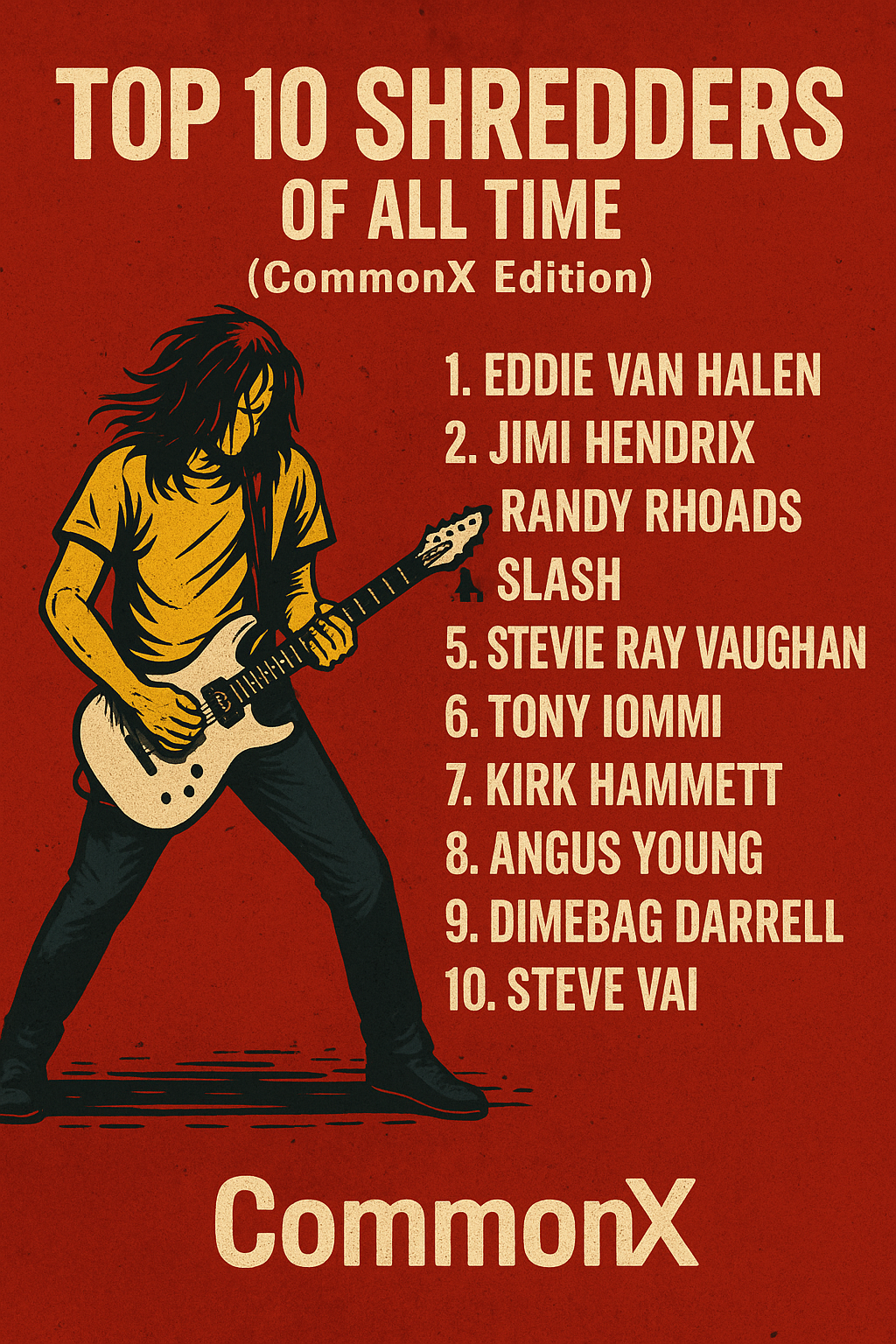
🎸 Top 10 Shredders of All Time (CommonX Edition)
By CommonX
Before playlists and plug-ins, there were six strings, blood on the frets, and neighbors pounding on the wall. For Gen X, guitar heroes were gods — and distortion was scripture. So grab your SONOS, crank it until the drywall shakes, and salute the riff kings who taught us that feedback is freedom.

Sonos Logo partnered with CommonX
⚡ 1. Eddie Van Halen – The Architect of Awe
Two-hand tapping, harmonic squeals, and tone so warm it could melt steel. “Eruption” changed everything; every kid with a guitar chased that lightning ever since.
🎸 2. Jimi Hendrix – The Cosmic Trailblazer
He made the Stratocaster cry, laugh, and set the sky on fire. “Voodoo Child” wasn’t a song — it was a ritual.
⚡ 3. Randy Rhoads – The Classical Firestorm
Ozzy’s prodigy fused classical precision with metal fury. Every solo was a master class in melody and madness.
🎩 4. Slash – The Soul in the Smoke
Top hat, Les Paul, cigarette — instant icon. His tone drips blues and attitude; “Sweet Child O’ Mine” is eternal youth in riff form.
🎵 5. Stevie Ray Vaughan – The Texas Hurricane
Pure feel. No tricks, no filters — just emotion pouring through Fender strings. When SRV bent a note, you felt it in your bones.
⚙️ 6. Tony Iommi – The Godfather of Heavy
Fingertip injury? No problem. He invented heavy metal instead. Sabbath’s riffs are the bedrock of every down-tuned dream that followed.
⚡ 7. Kirk Hammett – The Metal Surgeon
Precision meets chaos. The wah-wah wizard of Metallica built solos that slice through stadium air like jet engines.
⚡ 8. Angus Young – The Eternal Rebel
School uniform, duck-walk, Gibson SG — pure electricity. “Back in Black” and “Highway to Hell” still sound like rebellion bottled.
🔥 9. Dimebag Darrell – The Southern Thunderstorm
Groove, grit, and guts. His Pantera riffs came with tire smoke and whiskey breath — heavy metal with a grin.
🚀 10. Steve Vai – The Alien Virtuoso
Flawless technique and fearless imagination. Vai turned shred into symphony — proof that technical mastery can still have soul.
🎧 Honorable Mentions
Joe Satriani, Nuno Bettencourt, Prince, Nancy Wilson, and Joan Jett — the undercurrent that keeps the six-string alive.

Layne Staley (1967–2002): The Voice That Still Echoes in Us All
Layne Staley wasn’t just another frontman — he was the cracked mirror of our generation. His voice carried every ache, every truth, and every sleepless night we never said out loud. In this CommonX tribute, we look back at the man who turned pain into poetry and left an echo that refuses to fade.
by Ian Primmer, Co-host-CommonX
When Layne Staley took the stage during MTV Unplugged, it wasn’t just another performance — it was confession through melody. His hollow eyes told stories the lyrics could barely contain. The lights were soft, the air thick with silence, and a generation sat frozen in front of their TVs watching a man unravel his soul.

Layne Staley performs on MTV Unplugged, seated under soft blue-purple lights, microphone in hand, delivering an emotional performance that defined the 1990s grunge era.
Staley didn’t just sing about pain — he made it sound beautiful. Every note was a war between addiction and truth, between the life he lived and the one he wished he could reach. In an era that taught Gen X to bury feelings beneath sarcasm and cynicism, Layne stood there — fragile, unfiltered, unafraid — and let it all bleed through the mic.
“I believe in love and what it’s done to me.”
Those words, that trembling voice, became the heartbeat of the 90s Seattle sound — a generation of latchkey kids, garage-band dreamers, and late-night thinkers who found comfort in his chaos.
The Weight of a Generation
For many of us, Alice in Chains wasn’t background music; it was a survival tool. Staley’s voice could make you feel less alone in the middle of a storm. Songs like Nutshell, Down in a Hole, and Rooster weren’t just tracks — they were lifelines. Every time Layne opened his mouth, it was like he reached into the static of our teenage bedrooms and said, “I get it.” Even now, his performances remain hauntingly timeless. Watch that MTV Unplugged session again and you’ll see it — the rawest honesty ever broadcast through a mainstream channel. It was unpolished, imperfect, and completely unforgettable.
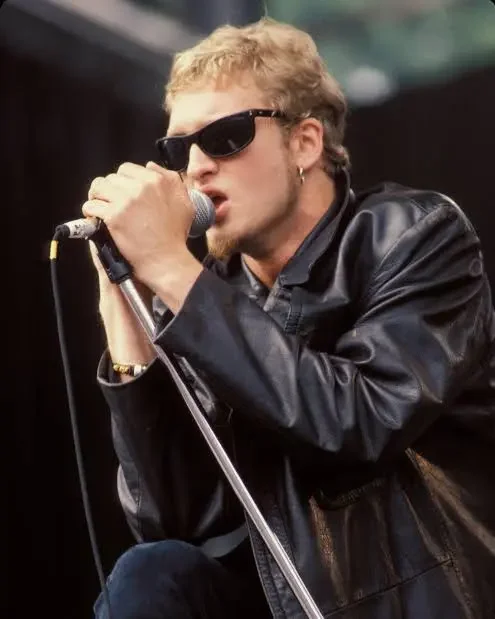
Layne Staley live in concert — the soul of Alice in Chains. His delivery was never about perfection; it was about truth. Every lyric carried the weight of lived experience, making him one of the most honest voices to emerge from the Seattle grunge movement.
The Beauty in the Broken
Layne’s story wasn’t a fairytale. It ended too soon, and yet his voice never really left. His pain became a mirror for an entire generation still trying to understand why the brightest lights often burn the fastest. In the years since his passing, his influence has only grown stronger. You can hear his echo in every modern artist who dares to show vulnerability, who sings like they’ve lived every word. Layne Staley didn’t just define an era — he humanized it.
Still Echoing
Two decades later, we still hear him — in the static between songs, in the ache of every record player needle, in the hearts of every Gen X’er who refuses to let the past fade quietly. He was more than a frontman. He was a poet for the misunderstood.
And as long as his songs keep playing, Layne Staley will never really be gone.

Rare Vinyl logo and imagery symbolizing classic record collecting — stacks of vintage LPs, turntables, and album art — representing a global destination for authentic vinyl records.
About This Article
This tribute is part of The X-Files series by CommonX Podcast, where we celebrate the artists, thinkers, and cultural sparks that shaped Generation X.
🎧 Read more at commonxpodcast.com/thex-files
Chris Ballew & Beck — When Weirdness Changed the World
Before the hits, Chris Ballew and Beck were friends exploring sound and freedom. Their playful experiments helped shape the 90s alternative rock landscape — and their creative bond still echoes through every note.
Real Talk. Common Ground.
Before stadium crowds sang Peaches and Lump, before Loser became an anthem for every art-school kid who never quite fit in, Chris Ballew and Beck Hansen were just two friends chasing sound in tiny rehearsal rooms.
In the early ’90s they shared basements, cheap tape decks, and a belief that rules were for other people. Beck was experimenting with folk-hip-hop collage; Ballew was testing what could happen if you cut half the strings off a bass. Out of that chaos came a friendship built on curiosity and humor—two kindred spirits learning that imperfection could be its own kind of perfection.
When Beck’s star began to rise, Ballew kept following the same muse back home in Seattle, forming The Presidents of the United States of America. The band’s stripped-down punch felt like a cousin to Beck’s collage pop: witty, raw, and fearless. Together they helped turn “alternative rock” from a label into a language—a space where experimentation, fun, and sincerity could all live in the same three-minute song.
“Playing with Beck reminded me that music is a sandbox, not a science,” Ballew told CommonX. “Every sound you make should surprise you a little.”
A Friendship That Still Resonates
Even decades later, you can hear echoes of those jam-session nights in everything Chris touches—whether it’s the joyful minimalism of the Presidents, his kids-music alter ego Caspar Babypants, or his new solo tracks recorded in his home studio.
That friendship with Beck wasn’t just a chapter; it was a spark that showed both artists how far pure play could go.
🔗 Hear the Conversation
Catch our full talk with Chris Ballew on The CommonX Podcast—streaming now on Spotify, Apple Podcasts, and YouTube.