
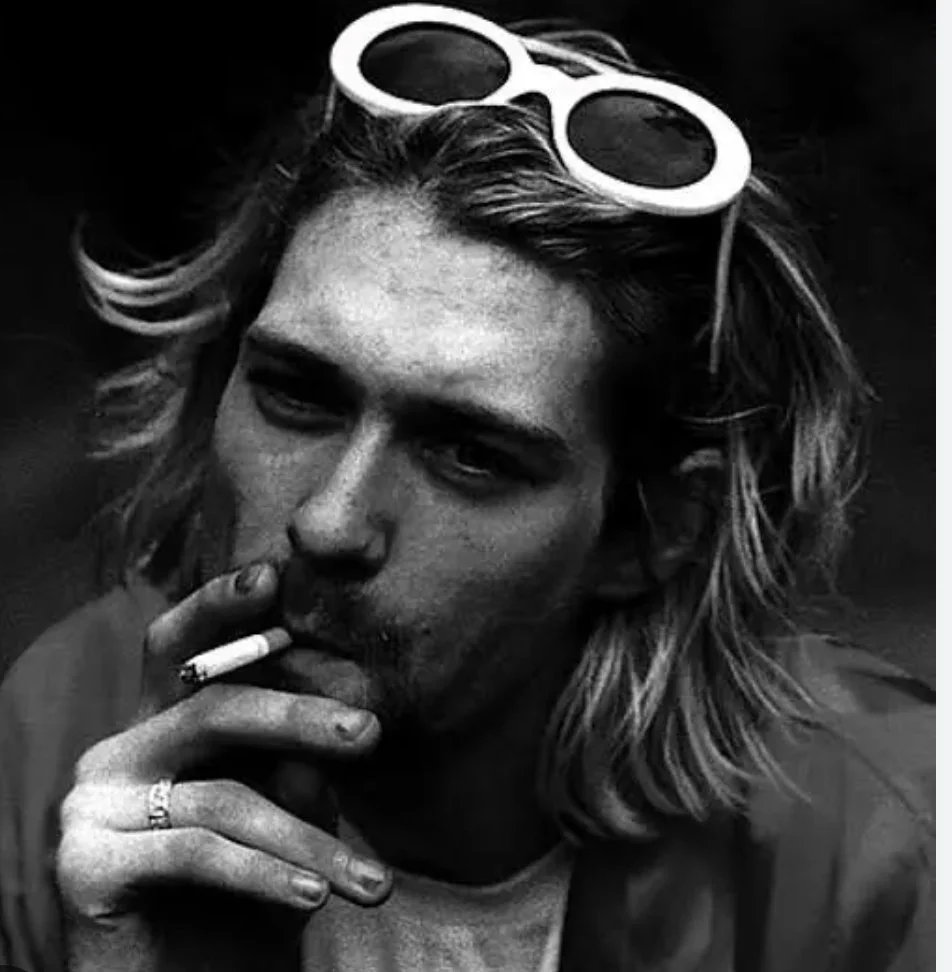
🎸 “What Else Could I Write? I Don’t Have the Right.” — Kurt Cobain and the Echo of a Generation
Kurt Cobain didn’t just write songs — he wrote the ache of a generation that refused to be polished. In his tattered sweaters, chipped nails, and truth-soaked lyrics, he showed Gen-X what honesty really looked like. Decades later, his ghost still hums in every garage, every heartbreak, every artist daring to stay real.
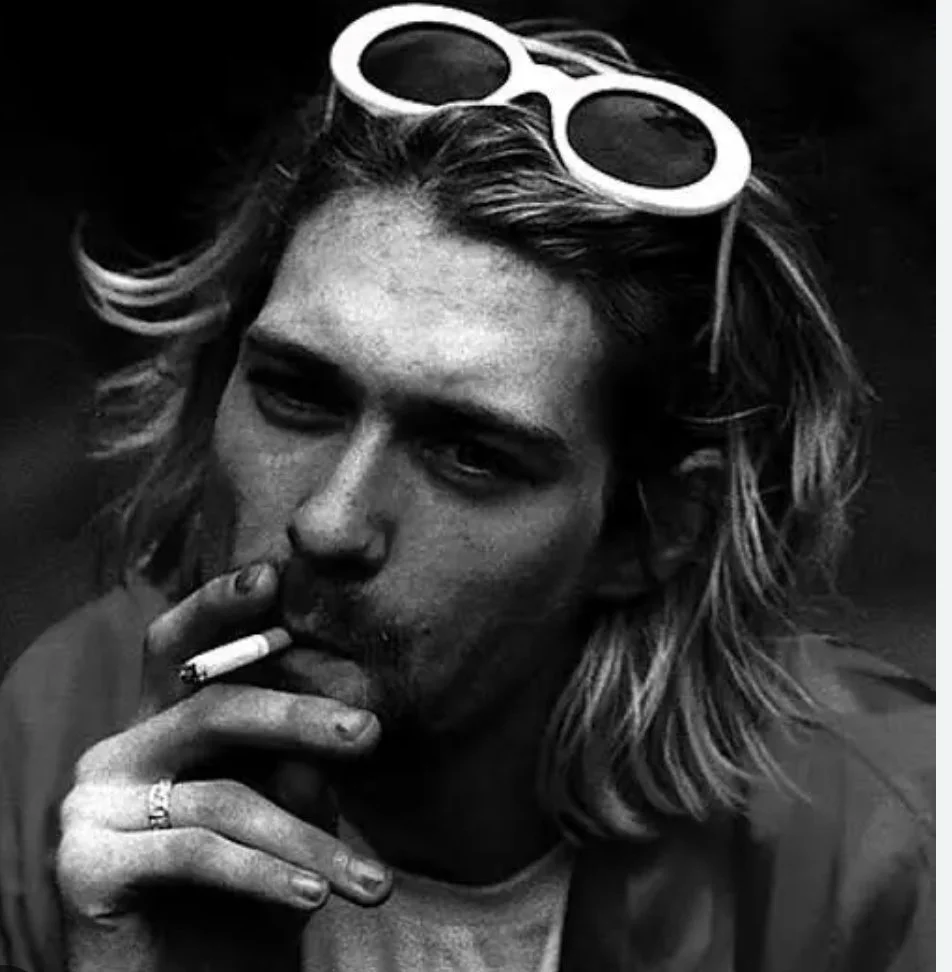
“The sound of truth never dies. It just finds new chords.”
Written by Ian Primmer
In the quiet between the noise, Kurt Cobain’s words still linger like cigarette smoke in the back of every Gen-X memory. “What else could I write? I don’t have the right.” It wasn’t just a lyric — it was a confession. A poet caught between fame and fracture, saying the quiet part out loud before anyone else dared to.
Born from the grunge-soaked heart of Aberdeen, Washington, Cobain didn’t just write songs — he wrote truths that still punch decades later. Nirvana’s sound wasn’t built to be clean; it was built to be honest. That rawness, that resistance to polish, was the pulse of a generation that refused to be marketed, molded, or muted.
At CommonX, we talk a lot about what it means to grow up Gen-X — a mix of latchkey rebellion, mixtapes, and that sense of being unseen in the crowd. Cobain was that spirit, distilled into one human being. He didn’t just play music; he made us feel like we weren’t alone in our contradictions.
Even now, when you strip away the nostalgia and the myth, there’s something timeless about how Kurt saw the world — broken yet beautiful, cynical but sincere. In a time when social media celebrates the surface, his vulnerability feels even more radical.
Maybe that’s why Gen-X still finds itself humming his lyrics while scrolling headlines that feel more corporate than cultural. Cobain once said, “I’d rather be hated for who I am, than loved for who I am not.” That line could be tattooed across the entire CommonX ethos — and maybe across our hearts, too.
Because at the end of the day, being Gen-X isn’t about what we owned or streamed or posted. It’s about what we felt. And few ever made us feel quite like Kurt did.
From the CommonX Host’s Desk – Ian Primmer
Every time I listen to Kurt, I’m reminded why we started CommonX in the first place — to give a voice to the generation that never really asked for one, but damn well earned it. I think about those lines: “What else could I write? I don’t have the right.”
That hits harder as a creator, a dad, and a Gen-X’er trying to build something real. Whether it’s in the gym before sunrise or behind the mic with Jared, I try to bring that same raw honesty to what we do. We’re not chasing perfection; we’re chasing truth — just like Kurt did.
So here’s to every listener, artist, and misfit who still believes that being real means something. You’re our people.

Layne Staley (1967–2002): The Voice That Still Echoes in Us All
Layne Staley wasn’t just another frontman — he was the cracked mirror of our generation. His voice carried every ache, every truth, and every sleepless night we never said out loud. In this CommonX tribute, we look back at the man who turned pain into poetry and left an echo that refuses to fade.
by Ian Primmer, Co-host-CommonX
When Layne Staley took the stage during MTV Unplugged, it wasn’t just another performance — it was confession through melody. His hollow eyes told stories the lyrics could barely contain. The lights were soft, the air thick with silence, and a generation sat frozen in front of their TVs watching a man unravel his soul.

Layne Staley performs on MTV Unplugged, seated under soft blue-purple lights, microphone in hand, delivering an emotional performance that defined the 1990s grunge era.
Staley didn’t just sing about pain — he made it sound beautiful. Every note was a war between addiction and truth, between the life he lived and the one he wished he could reach. In an era that taught Gen X to bury feelings beneath sarcasm and cynicism, Layne stood there — fragile, unfiltered, unafraid — and let it all bleed through the mic.
“I believe in love and what it’s done to me.”
Those words, that trembling voice, became the heartbeat of the 90s Seattle sound — a generation of latchkey kids, garage-band dreamers, and late-night thinkers who found comfort in his chaos.
The Weight of a Generation
For many of us, Alice in Chains wasn’t background music; it was a survival tool. Staley’s voice could make you feel less alone in the middle of a storm. Songs like Nutshell, Down in a Hole, and Rooster weren’t just tracks — they were lifelines. Every time Layne opened his mouth, it was like he reached into the static of our teenage bedrooms and said, “I get it.” Even now, his performances remain hauntingly timeless. Watch that MTV Unplugged session again and you’ll see it — the rawest honesty ever broadcast through a mainstream channel. It was unpolished, imperfect, and completely unforgettable.
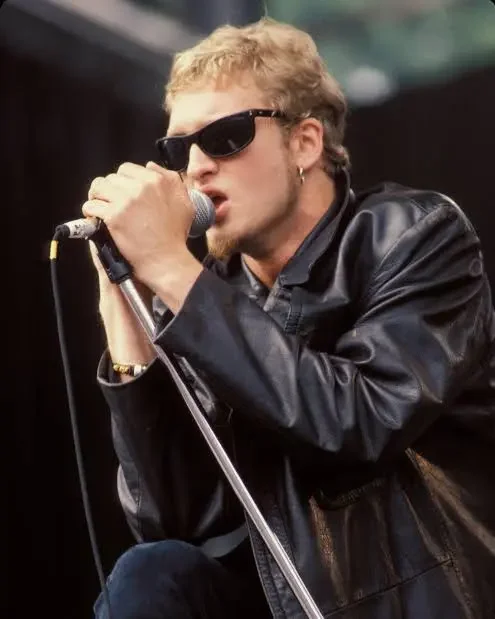
Layne Staley live in concert — the soul of Alice in Chains. His delivery was never about perfection; it was about truth. Every lyric carried the weight of lived experience, making him one of the most honest voices to emerge from the Seattle grunge movement.
The Beauty in the Broken
Layne’s story wasn’t a fairytale. It ended too soon, and yet his voice never really left. His pain became a mirror for an entire generation still trying to understand why the brightest lights often burn the fastest. In the years since his passing, his influence has only grown stronger. You can hear his echo in every modern artist who dares to show vulnerability, who sings like they’ve lived every word. Layne Staley didn’t just define an era — he humanized it.
Still Echoing
Two decades later, we still hear him — in the static between songs, in the ache of every record player needle, in the hearts of every Gen X’er who refuses to let the past fade quietly. He was more than a frontman. He was a poet for the misunderstood.
And as long as his songs keep playing, Layne Staley will never really be gone.

Rare Vinyl logo and imagery symbolizing classic record collecting — stacks of vintage LPs, turntables, and album art — representing a global destination for authentic vinyl records.
About This Article
This tribute is part of The X-Files series by CommonX Podcast, where we celebrate the artists, thinkers, and cultural sparks that shaped Generation X.
🎧 Read more at commonxpodcast.com/thex-files