

AI Scams, Deepfakes, and the Human Firewall: Why Robert Siciliano Says People Are the Real Security Risk
Security expert Robert Siciliano explains why human behavior—not hackers—is the biggest vulnerability in the age of AI scams and deepfakes.
Artificial intelligence is changing the way we live, work, and communicate. But it’s also creating entirely new opportunities for fraud, deception, and manipulation.
From AI voice cloning to deepfake videos, attackers no longer need to break through a firewall to steal information. Increasingly, they simply convince someone to give it away.
That’s why security expert Robert Siciliano believes the biggest vulnerability in modern cybersecurity isn’t technology.
It’s human behavior.
And it’s exactly the kind of conversation that fits perfectly on the CommonX Podcast.
Meet Robert Siciliano
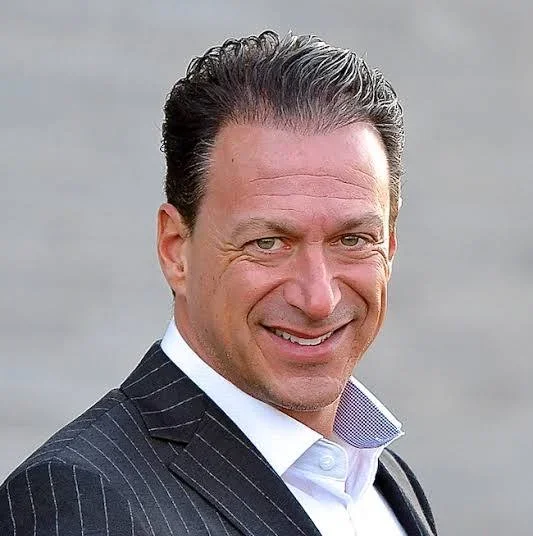
Robert Siciliano is a nationally recognized security analyst, investigator, and best-selling author who has spent more than three decades studying identity theft, fraud, and human vulnerability in security systems.
He’s appeared as a security expert on major media outlets including:
• CNN
• CNBC
• Fox News
• Anderson Cooper 360
His work has also been featured in major publications like:
• The Wall Street Journal
• The New York Times
• Forbes
Over the years, Siciliano has built a reputation as someone who cuts through hype and explains security risks in practical, real-world terms.
The Strategic Human Firewall™
One of Siciliano’s core ideas is something he calls the Strategic Human Firewall™.
While most companies invest heavily in software and cybersecurity tools, Siciliano argues that attackers rarely target the technology itself.
Instead, they target the people using it.
Phishing emails, fake phone calls, AI-generated messages, and social engineering scams all rely on the same principle:
If you can manipulate human behavior, you can bypass almost any technical defense.
In other words, the strongest firewall in the world doesn’t matter if someone simply opens the door.
The Rise of AI-Driven Fraud
AI tools are now making social engineering attacks even more convincing.
Examples include:
• voice cloning scams that imitate family members or executives
• deepfake video messages that appear authentic
• AI-generated emails that mimic real communication styles
• automated phishing campaigns that adapt to their targets
These attacks don’t rely on hacking systems.
They rely on tricking people.
And that’s where Siciliano says most organizations still fall short.
Security Theater vs Real Security
Many organizations rely on what Siciliano describes as “security theater.”
That means compliance checklists, mandatory training videos, and occasional phishing tests that employees quickly forget.
Instead, he argues companies need something much more practical:
A culture where employees actually care about security and understand how manipulation works.
Because when the attack is psychological, the defense has to be human.
Why This Matters for Everyone
While Siciliano often advises large organizations, the lessons apply just as much to individuals.
Gen-X professionals, small business owners, and families are increasingly targets of identity theft and online scams.
Understanding how fraudsters operate — and how they manipulate trust — can make the difference between staying safe and becoming the next victim.
A Conversation Worth Having
Robert Siciliano joins the CommonX Podcast to talk about the intersection of AI, security, and human psychology — and why protecting ourselves in the digital age requires more than just better technology.
It requires better awareness.
Because in a world where machines can imitate voices, generate fake images, and simulate reality itself, the most important defense might still be the oldest one:
Critical thinking.
About the CommonX Podcast
The CommonX Podcast features long-form conversations with musicians, entrepreneurs, veterans, investigators, and cultural thinkers exploring the challenges shaping modern life.
New episodes and exclusive articles can be found at: