
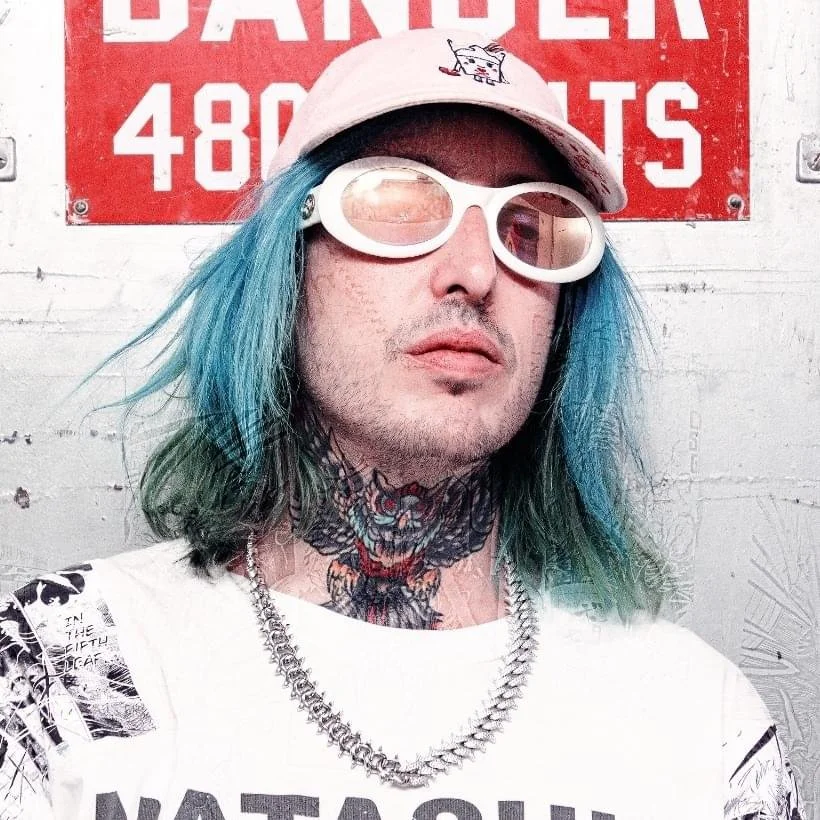
X-Files: We Knew Nothing — John Backer, Punk Rock, and Questioning Power
John Backer of punk band WeKnewNothing joins CommonX to talk music, politics, and why songs like “CIA” still matter in a world that discourages questioning power.
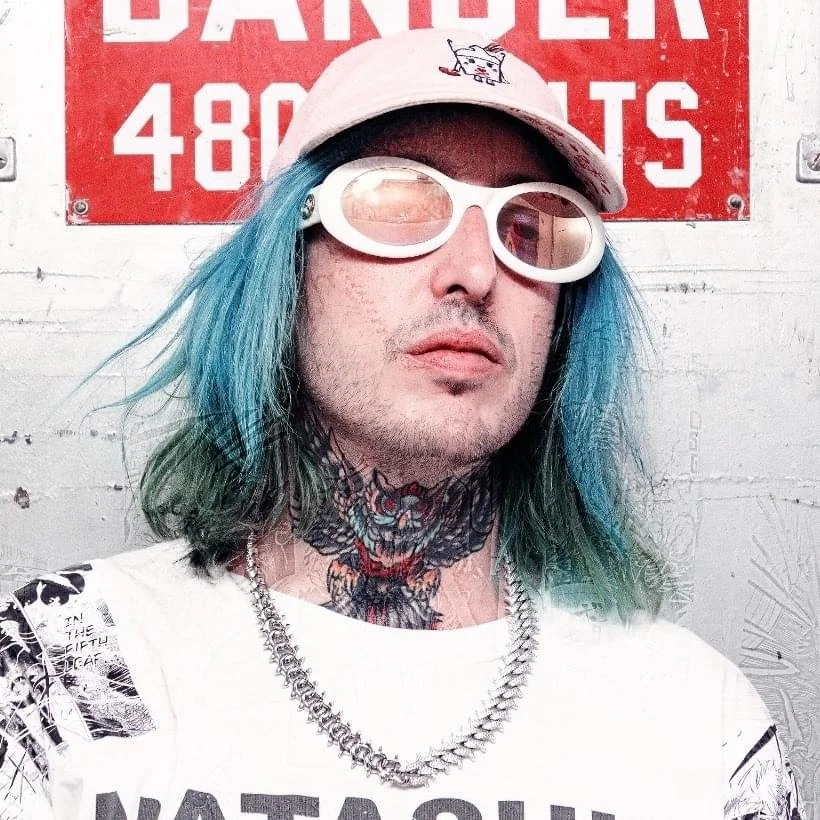
John Backer of WeKnewNothing.
Punk rock, politics, and songs like “CIA” that refuse to play nice.
On CommonX, Backer breaks down why punk still matters — and why questioning power has never been optional.
Punk rock was never supposed to be polite.
It was born from frustration, fueled by distrust, and sharpened by a refusal to accept official narratives at face value. That spirit is alive and well in WeKnewNothing, the band fronted by John Backer, where distorted guitars collide with political skepticism and unapologetic truth-seeking.
Songs like “CIA” don’t exist to comfort listeners. They exist to provoke them.
Punk as a Political Language
For Backer, punk rock isn’t nostalgia — it’s a tool. A way to cut through the noise and speak plainly about power, corruption, and the systems people are told not to question.
WeKnewNothing doesn’t posture as revolutionary heroes. Instead, the band leans into the uncomfortable reality that most people inherit beliefs without consent — shaped by media, institutions, and narratives designed to feel inevitable.
The music pushes back against that inevitability.
When Music Refuses to Behave
Tracks like “CIA” tap directly into punk’s original function: calling out authority, exposing hypocrisy, and giving voice to the suspicion many people feel but rarely articulate. The band’s sound is raw, stripped-down, and intentional — a reminder that rebellion doesn’t need polish to be effective.
This isn’t protest music built for algorithms.
It’s confrontation built for ears that still want to listen.
Politics Without Permission
During his conversation on the CommonX Podcast, Backer didn’t dodge politics — he challenged them. The discussion moved fluidly between punk rock, government power, cultural manipulation, and the danger of blind loyalty to any ideology.
What emerged wasn’t a sermon, but a mindset: question first, conform never.
That ethos sits squarely in the Gen-X lineage — a generation raised on broken promises, latchkey independence, and music that taught us to think for ourselves.
Why WeKnewNothing Fits the Moment
In a time when politics feels staged and rebellion is often branded, WeKnewNothing feels authentic because it doesn’t ask to be trusted — it asks to be challenged.
The band’s name itself is a quiet confession and a warning: certainty is fragile, and power prefers obedience over curiosity.
John Backer on CommonX
John Backer’s appearance on CommonX wasn’t about selling records. It was about tracing the line between punk rock and political awareness — and why both still matter.
Because sometimes the most honest thing you can say in a system built on control is exactly what punk has always screamed:
We knew nothing — and we’re not done asking questions.

Crusty Demons of Dirt: When Gen-X Took Flight and Never Looked Back
Before GoPros and algorithms, there were the Crusty Demons — a dirt-fueled cult of chaos that taught Gen-X how to fly, fall, and live louder than ever.

By Ian Primmer
Before GoPros, before energy-drink deals, before social-media stunts and clickbait “fails,” there were the Crusty Demons of Dirt — a band of maniacs who didn’t just ride; they launched. If you grew up Gen-X, you remember it. Those grainy VHS tapes passed around like underground contraband, covered in dust, duct tape, and fire. Each one was a mixtape of speed, punk rock, blood, and glory. The Crusty Demons weren’t just motocross riders. They were a movement — a cultural combustion engine that redefined what “extreme” meant. They didn’t have sponsors, hashtags, or choreographers. They had balls, dirt, and soundtrack albums loud enough to rattle the gods of safety.
Born from Chaos
The Crusty saga started in the mid-’90s, when Jon Freeman and Dana Nicholson of Freeride Entertainment decided to film what motocross really looked like — not the sanitized, family-friendly ESPN clips, but the wild-eyed desert rides and bone-snapping wipeouts that no one else would touch. They strapped cameras to bikes, hung out of helicopters, and cranked Pennywise and Metallica until the footage felt alive. It wasn’t just a video. It was a sermon for the reckless. Every crash, every burn, every impossible jump became a statement: We’re not here to survive. We’re here to live. The first Crusty Demons of Dirt dropped in 1995 and detonated across skate shops, video stores, and garages everywhere. Within months, it was a cult. Within a year, it was a religion.
The Soundtrack of Adrenaline
You can’t talk about Crusty without talking about the sound. The music was the gasoline. The Offspring. Sublime. Metallica. NOFX. It wasn’t background noise — it was the manifesto. Crusty didn’t just showcase motocross — it fused two worlds that were never supposed to meet: punk-rock attitude and high-octane adrenaline. That combination shaped everything from Freestyle Motocross (FMX) to the look of early action-sports video games. The fast cuts, the soundtracks, the chaos — all of it traces back to Crusty.
The Church of Adrenaline
To the fans, Crusty was proof that we didn’t need permission. We didn’t need perfect hair, million-dollar gear, or safe contracts.
We needed a bike, a buddy, a ramp, and some guts. The Crusty riders — names like Seth Enslow, Carey Hart, and Mike Metzger — were the new rock stars. Covered in dirt, blood, and duct tape, they were the anti-MTV heroes. They weren’t chasing medals. They were chasing moments. Moments where gravity bowed out and instinct took over.
Legacy in the Dust
Nearly thirty years later, Crusty Demons still tour the world with live stunt shows, keeping that renegade DNA alive. You can find them on streaming services now, but nothing compares to holding one of those old tapes in your hands — stickers peeling, label smudged, rewound a hundred times. For a generation raised on DIY rebellion, Crusty Demons was more than dirt and danger — it was philosophy. It said: “We don’t fear the fall, because falling means we flew.” And maybe that’s why it still matters.
Because the world polished the edges off everything else, but Crusty stayed raw.
💥 The CommonX Take
Crusty Demons of Dirt wasn’t a film series — it was a time capsule. A reminder that Gen-X didn’t need filters or validation. We had throttle, distortion, and attitude. They built something from nothing — just like the garage bands, backyard skateboarders, and late-night dreamers that defined our era. And in that sense, Crusty Demons wasn’t just about motocross…
It was about life without training wheels.