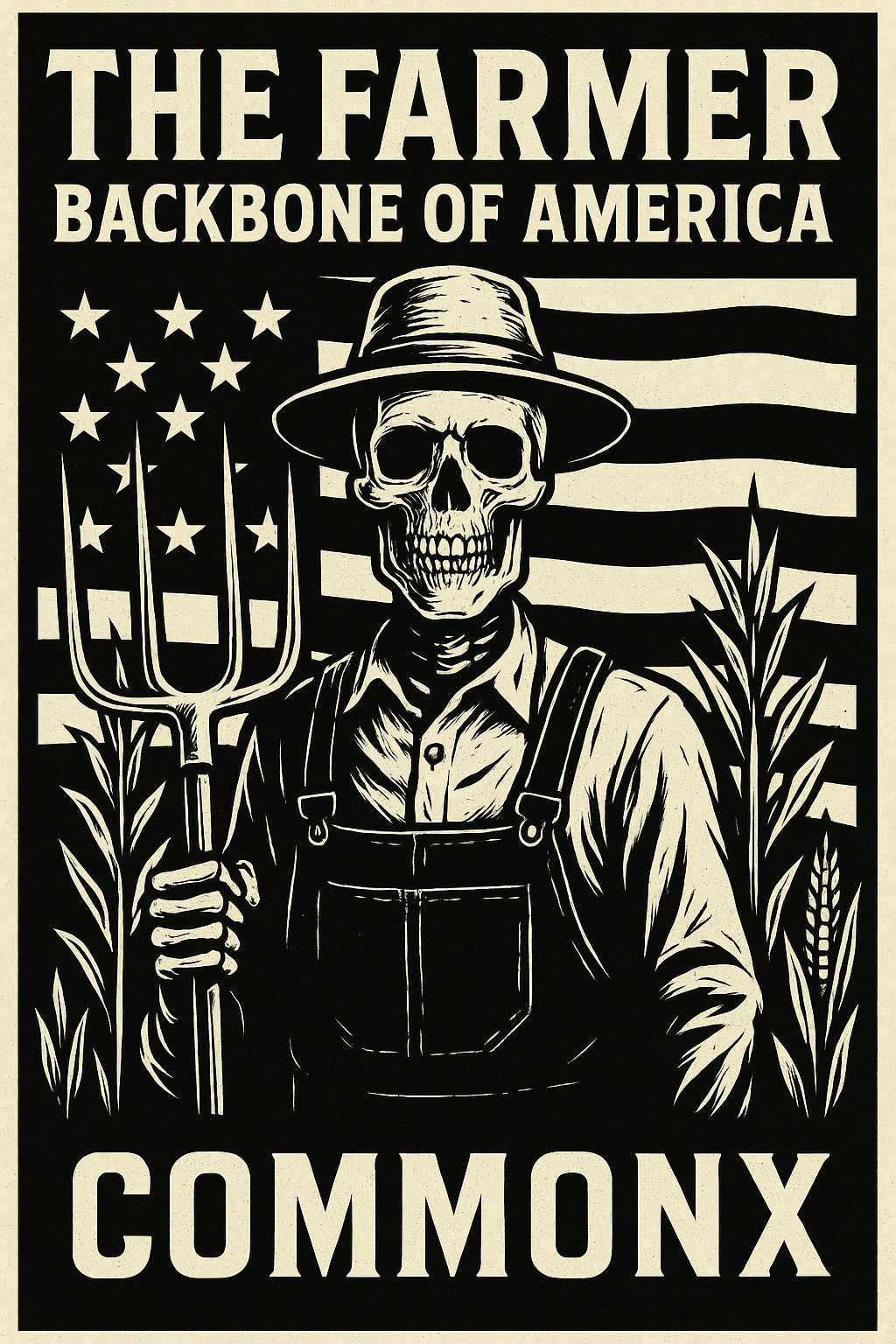
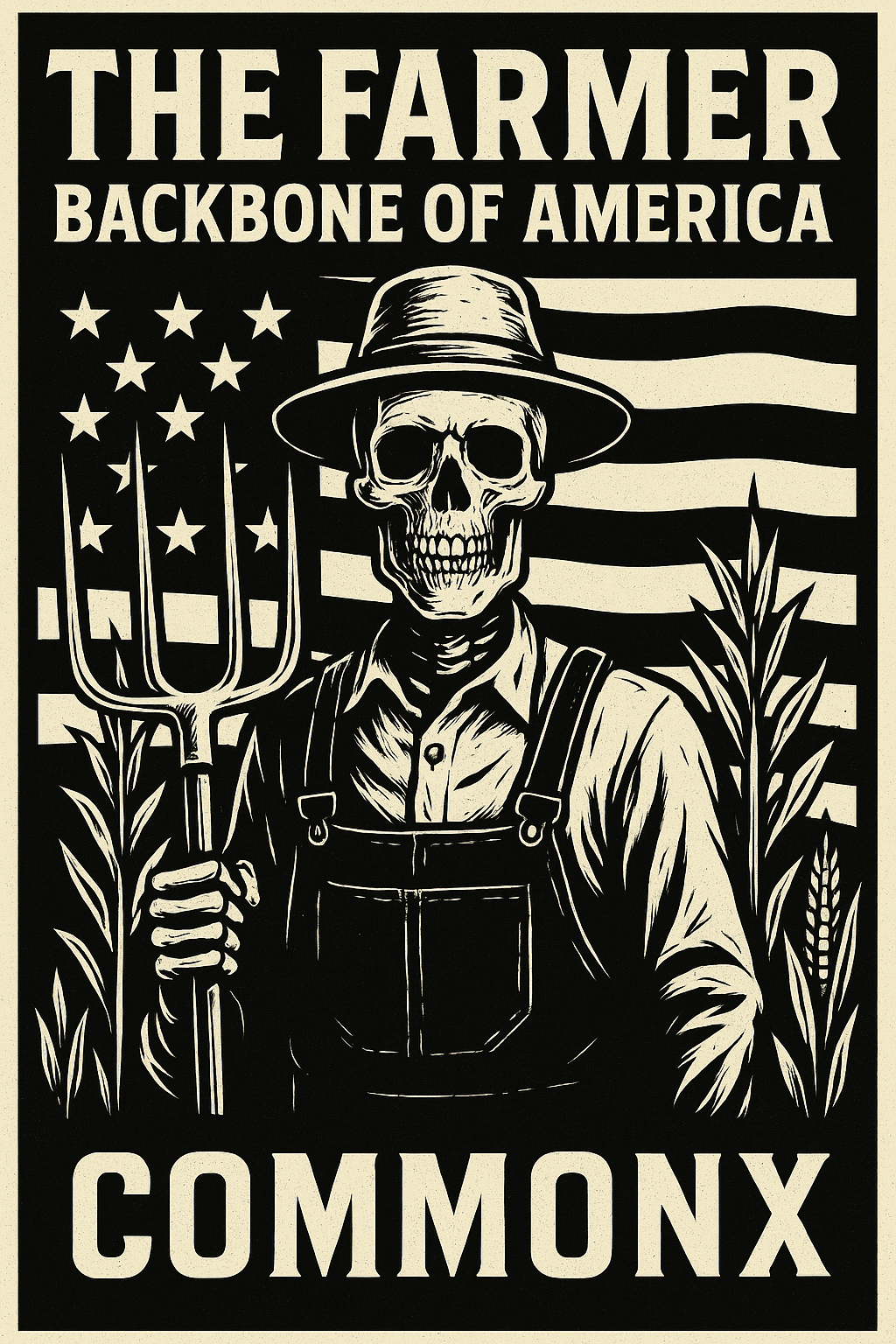
THE FARMER: THE BACKBONE OF AMERICA
America worships crypto, tech, and trends — but none of it matters if nobody grows the food. The farmer is still the true backbone of this country, even if the modern world forgot.
In a country obsessed with digital currency, celebrity drama, AI hype cycles, and the next “passive income blueprint,” the most important person in America still wakes up before sunrise, pulls on a pair of mud-stained boots, and walks into a field most people have never seen with their own eyes. While the rest of us scroll, argue, and chase trends that disappear faster than they appear…
The farmer grows the food we eat. The rancher raises the protein we survive on. The soil grows the crops that keep an entire nation alive. But somewhere along the way, we forgot that.
We started treating the people who feed America like background noise — as if the grocery store magically restocks itself or the steak on our dinner plate appeared out of thin air. City kids grow up thinking vegetables “come from the store,” and half the country is more emotionally invested in Bitcoin charts than harvest seasons.
Meanwhile, out there in the wind and dirt, a farmer is betting his entire livelihood on weather, soil, labor shortages, and prices he doesn’t control. No TikTok star will fix that. No influencer course will replace that. No crypto coin will grow a single ear of corn or a single blade of wheat.
Because you can’t eat Bitcoin, and you can’t feed a nation with hype. America was built on fields, ranches, and hands — real hands — turning the earth. Not hashtags. Not speculation. Not whatever the “next big thing” podcast bros are yelling about.
And the craziest part? Farmers rarely complain. They don’t demand worship. They don’t flood social media. They get up, grind, and do the job because it has to be done — not because it’s glamorous, or viral, or profitable.
They know something the modern world forgot:
Civilization collapses without food. And food doesn’t happen without them. So today’s X-File isn’t a mystery. It’s a reminder. A wake-up call.
A spotlight on the people who deserve more credit than they ever get. The algorithm won’t tell you this. The politicians won’t tell you this. The tech world definitely won’t tell you this. But we will:
The American Farmer is the Backbone of America. Period. And the next time someone tries to tell you the future belongs only to crypto, NFTs, AI, digital economies, or whatever shiny object comes next… Ask them one question:
“Cool. But who’s going to feed you?”
CommonX stands with the people who actually keep the lights on in this country — even when nobody’s paying attention.

The Lottery Delusion: Why We Love to Lose
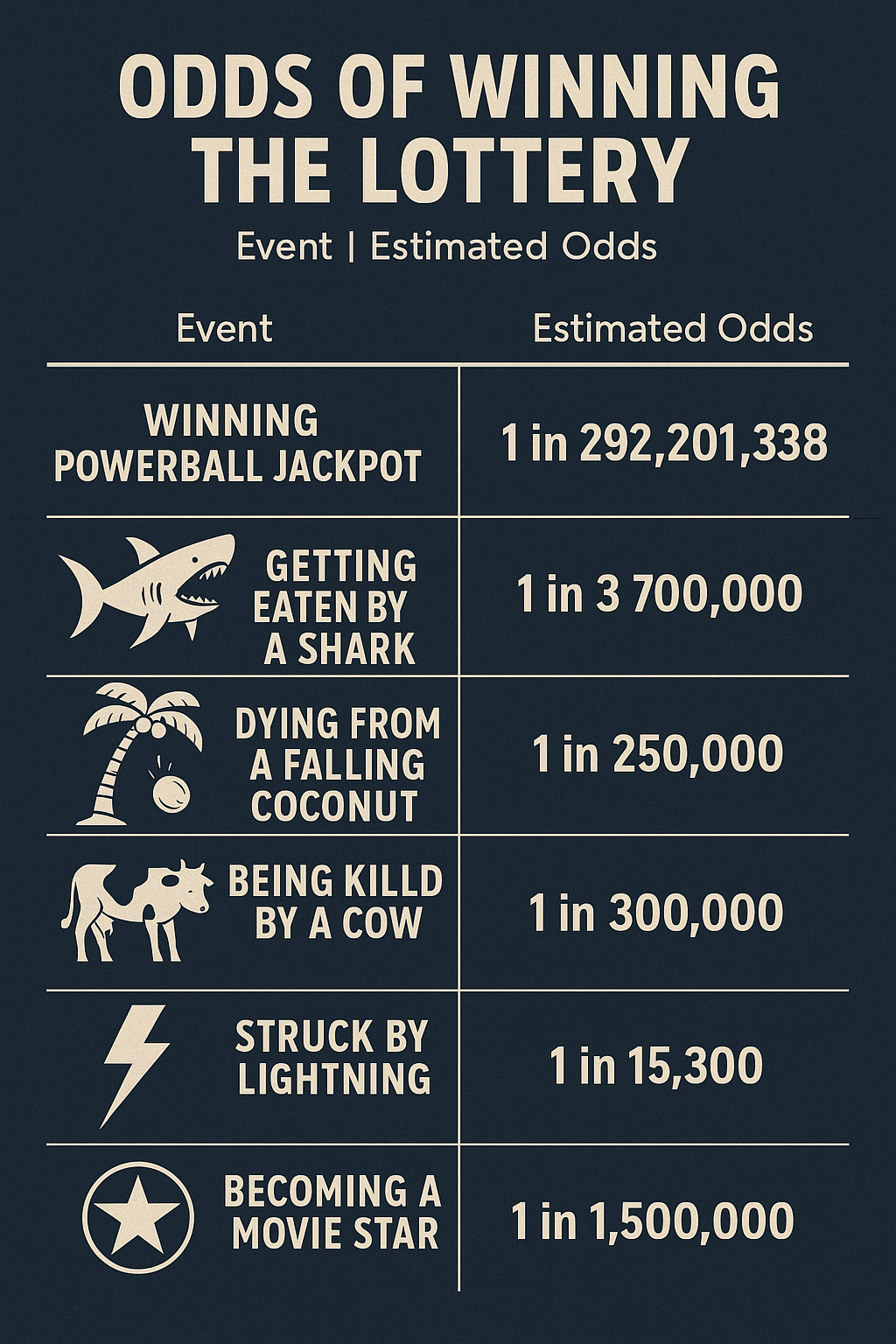
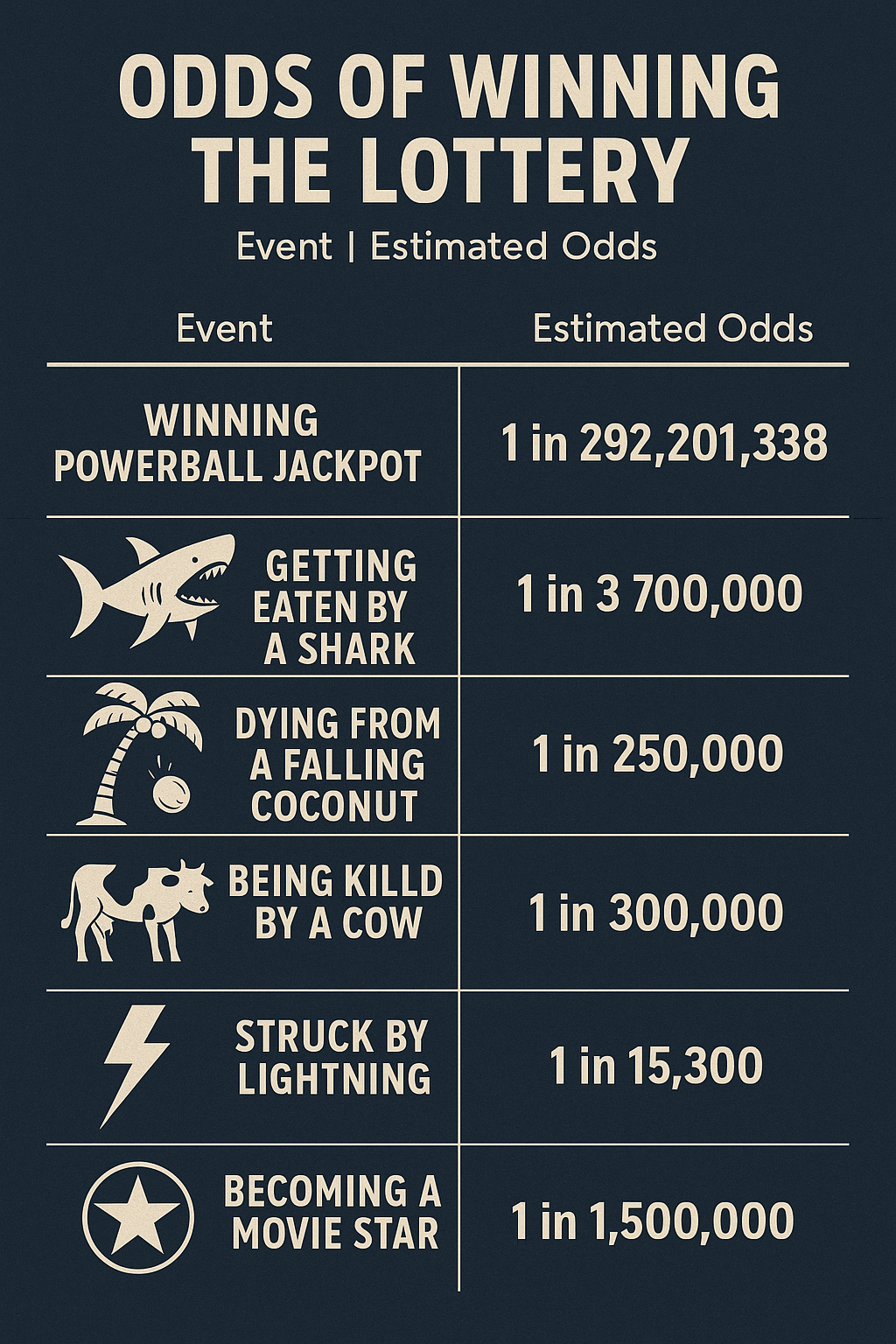
Waiting in line at the gas station, I watched a man clutch his Powerball tickets like life support. The truth? You’re more likely to die from a falling coconut than win the lottery.
By Ian Primmer CommonX | The X-Files Blog | November 12, 2025
I was standing in line at the gas station, watching a guy clutch his Powerball tickets like they were life support. His hands were shaking, eyes locked on the glowing jackpot sign — $512 million. Behind it, the Mega Millions ticker blinked even louder: $965 million.
The man didn’t buy gas. Didn’t buy a snack. Just the tickets. And in that moment, I couldn’t help but think: we’re all a little addicted to the dream.
The $2 Fantasy
Every ticket is a tiny prayer — a way to imagine a version of yourself that finally caught a break. For two bucks, you buy the right to daydream: no boss, no bills, no alarm clocks. But here’s the math that shatters that illusion:
Powerball jackpot odds: 1 in 292,201,338
Mega Millions jackpot odds: 1 in 302,575,350
Expected value of a $2 ticket: roughly $0.82
That’s right — even if you won, the ticket was worth less than a cup of gas station coffee.
☠️ Reality Check: You’re More Likely To…
You’re 79× more likely to be eaten by a shark.
1,169× more likely to die from a falling coconut.
974× more likely to be killed by a cow.
And 19,000× more likely to be struck by lightning.
The truth? You’re more likely to become a movie star than to hit the Powerball jackpot. Just sayin…
The Psychology of Losing on Purpose
So why do we play? Because humans crave control — even fake control. Picking “lucky numbers” gives the illusion that fate can be hacked. The lottery isn’t about money — it’s about hope marketing, sold to people who’ve run out of better bets. And the house knows it. States make billions off tickets — and they call it “education funding.” It’s a slick way of saying the poor fund the schools so the rich don’t have to.
The Real Jackpot
If you’ve ever said, “I’ll be happy when…” — you’ve already bought the mental version of a lottery ticket.
The truth is, you don’t need to hit the jackpot to win. You just need to wake up, build your own luck, and stack your own small wins every day. Because out here in the real world, the odds don’t matter — the effort does.