

Moving Mountains: Dame Claire Bertschinger Comes to CommonX
Before Live Aid became a global moment, there was one woman on the ground witnessing human suffering firsthand. Dame Claire Bertschinger’s work in humanitarian aid didn’t just save lives—it helped spark one of the most powerful movements in music and global awareness. As she joins the CommonX Podcast, we explore the experiences behind Moving Mountains and the moments that changed history.

Dame Claire Bertschinger during frontline humanitarian work — experiences that later inspired her role in Live Aid and her book Moving Mountains.
Some stories don’t chase relevance. They define it. This is one of those moments.
CommonX is honored to announce that Dame Claire Bertschinger — legendary humanitarian, frontline physician, and one of the defining inspirations behind Live Aid — will be joining us for an upcoming episode of the CommonX Podcast. If that sentence made you stop for a moment, it should have.

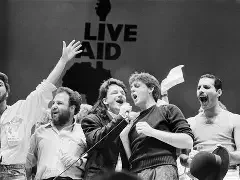
A defining Live Aid moment captures Queen Rock frontman Freddie Mercury standing before a sea of humanity, arm lifted as tens of thousands respond in unison during a historic concert.
The Woman the World Briefly Saw — and Never Forgot

Dame Claire Bertschinger during frontline humanitarian work — experiences that later inspired her role in Live Aid and her book Moving Mountains.
In 1984, during Ethiopia’s devastating famine, a single BBC report cut through the noise of global politics and global indifference. The footage showed starving children, families pushed beyond the limits of survival, and one calm, resolute presence at the center of it all: Dame Claire Bertschinger.
That broadcast didn’t just inform the world — it shook it awake.
Bob Geldof would later say that witnessing Claire’s work during that report helped ignite what became Live Aid, one of the largest humanitarian fundraising efforts in history. Not because of spectacle. Not because of performance.
But because of truth.
Claire was not presenting compassion. She was practicing it — quietly, decisively, and without theatrics — while making impossible choices no human being should ever be asked to make.
Crisis Medicine and Moral Weight
Dame Claire’s career spans decades and continents, including work with:
Médecins Sans Frontières (Doctors Without Borders)
The International Committee of the Red Cross
Frontline medical service in famine zones, war zones, and areas of humanitarian collapse
Her experience is not academic. It is lived. She has stood at the intersection where medicine, ethics, and scarcity collide — where every decision carry irreversible consequence, and where idealism alone cannot save lives.
These are the conversations CommonX exists to have.
Moving Mountains: The Story Behind the Silence

Cover of Moving Mountains by Dame Claire Bertschinger — a powerful account of humanitarian work that helped inspire the global Live Aid movement.
Dame Claire will also be joining us to discuss her deeply personal book, Moving Mountains. The book reveals what the cameras never showed and what history often smooths over:
The impossible realities of medical triage in crisis
The emotional toll of choosing who receives care — and who does not
The quiet aftermath that follows global attention
The lifelong weight carried by those who serve when systems fail
Moving Mountains is not a celebration. It is a reckoning.
It asks uncomfortable but necessary questions about responsibility, privilege, and what it truly means to help — long after the headlines fade and the world moves on.
Why This Conversation Matters Now
In an age of performative empathy, curated outrage, and algorithm-driven compassion, Dame Claire’s voice carries rare clarity.
She represents a kind of leadership the modern world is starving for:
Calm under extreme pressure
Moral courage without self-promotion
Service without expectation of recognition
This episode is not about nostalgia or history for history’s sake. It is about standards.
What does real humanitarianism look like when no one is watching?
What does ethical leadership demand when resources are finite and lives hang in the balance?
A CommonX Conversation
When Dame Claire Bertschinger joins CommonX, this will not be a history lesson.
It will be a conversation about:
Humanity under extreme pressure
The cost of doing the right thing
How moments of truth ripple across generations
Why some stories refuse to fade
We are deeply grateful for her willingness to share her time, her experiences, and her hard-earned wisdom with our audience.
Some guests bring insight.
Others bring gravity.
This one brings both.
Dame Claire Bertschinger
Humanitarian | Physician | Author of Moving Mountains
Coming soon to the CommonX Podcast in February, 2026
Momentum doesn’t ask permission. Stay Tuned for more details. CommonX Podcast now Air’s twice a week on all platforms.
Why CommonX Is Aligning With 1st Phorm — And What It Says About Where We’re Headed
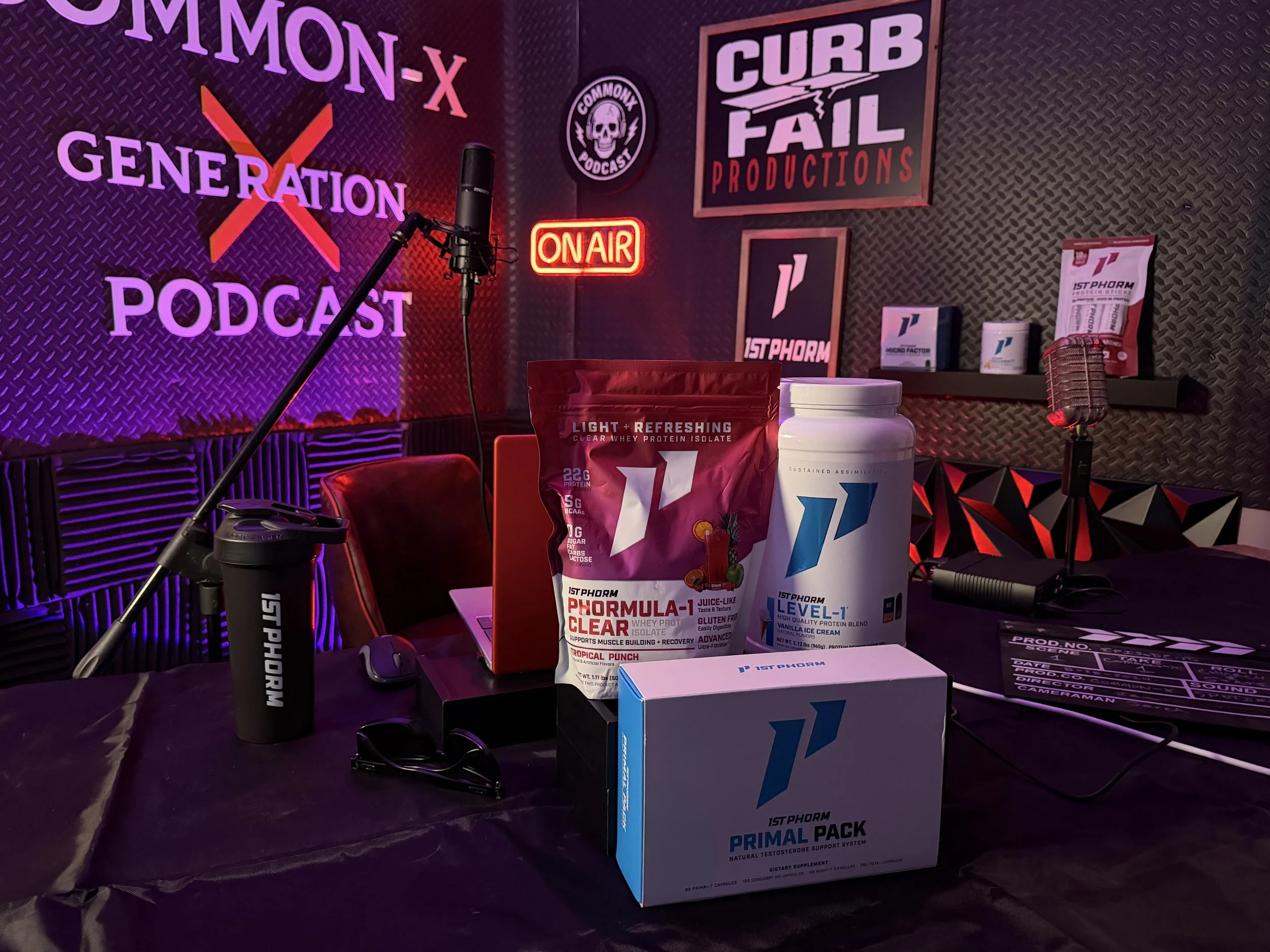
CommonX shares why its growing relationship with 1st Phorm reflects a deeper alignment around discipline, accountability, and personal responsibility—without hype or premature announcements.
Momentum doesn’t always start with contracts and press releases. Sometimes it starts with alignment.
Over the past year, the CommonX Podcast has evolved from a grassroots conversation into a growing platform focused on accountability, discipline, culture, and personal responsibility. As the show has matured, so has our approach to health, performance, and how we show up—both behind the mic and in everyday life.
That’s what made our recent connection with 1st Phorm meaningful.
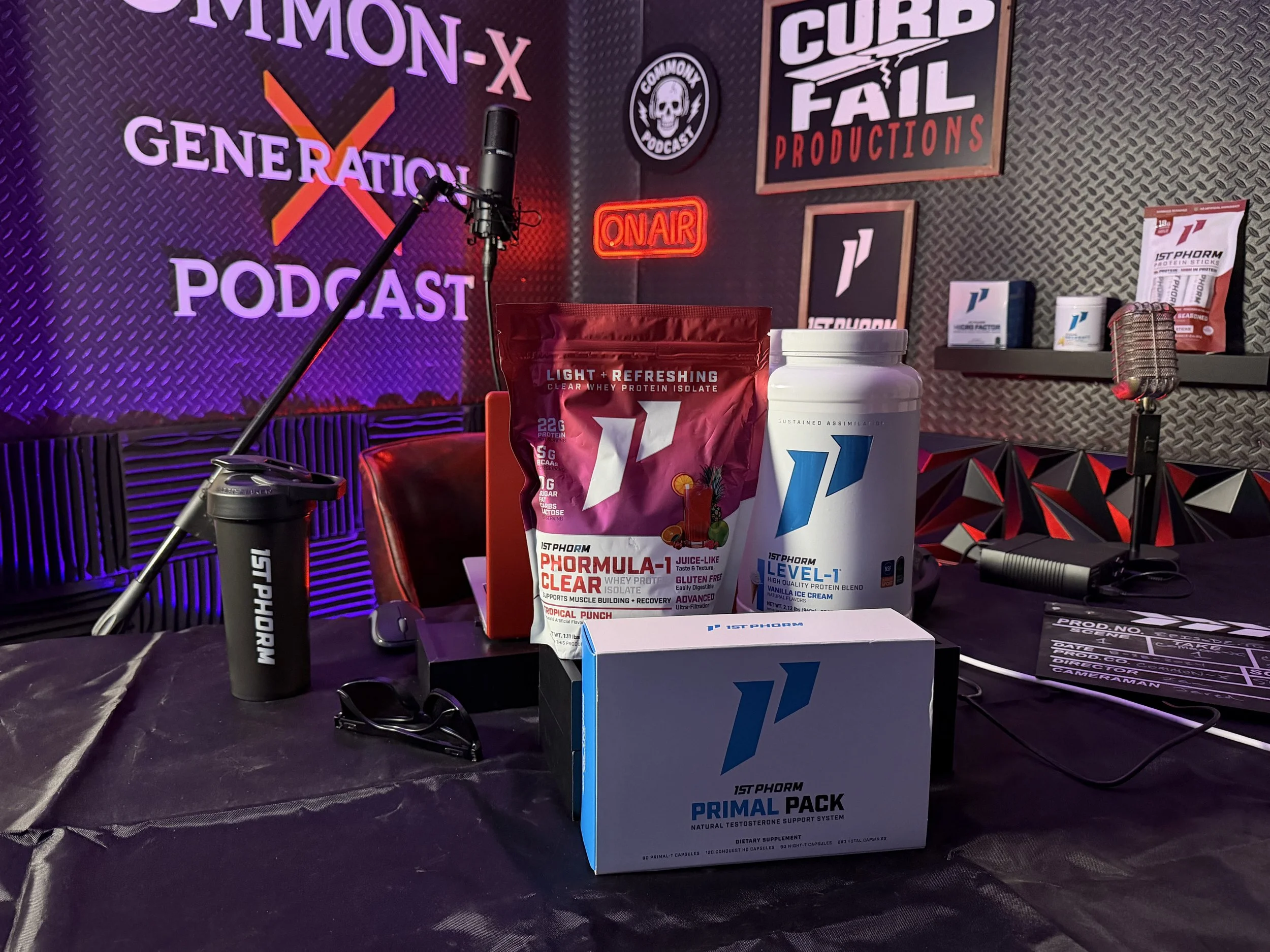
While nothing official has been announced, the team at 1st Phorm reached out, engaged with our work, and sent product our way as we continue conversations about potential collaboration. No scripts. No talking points. Just mutual respect and shared values.
And that matters.
1st Phorm has built its reputation around discipline, consistency, and accountability—principles that mirror the direction CommonX has been moving organically. For us, this isn’t about pushing products. It’s about supporting systems that help people show up stronger, clearer, and more intentional in their lives.
As hosts, we’re not interested in pretending we have it all figured out. We train. We test. We fail. We recalibrate. And when brands take notice of that process—not because of hype, but because of authenticity—it signals something deeper than a sponsorship opportunity.
It signals trust.
This moment represents a shift for CommonX. Not toward commercialization for its own sake, but toward intentional partnerships that align with the conversations we’re already having about health, resilience, and personal responsibility.
We’ll share more as things develop. For now, we’re grateful for the support, excited about the dialogue, and committed—as always—to being transparent with our audience.
Momentum is real.
And it’s being built the right way. Now get your ass to the gym and join us!
Dr. Owen Anderson: Truth on Trial, Academia, and the Cost of Speaking Freely
Dr. Owen Anderson joins the CommonX Podcast to discuss his lawsuit involving Arizona State University, the state of free inquiry in higher education, and why philosophy, truth, and professional discourse matter more now than ever.
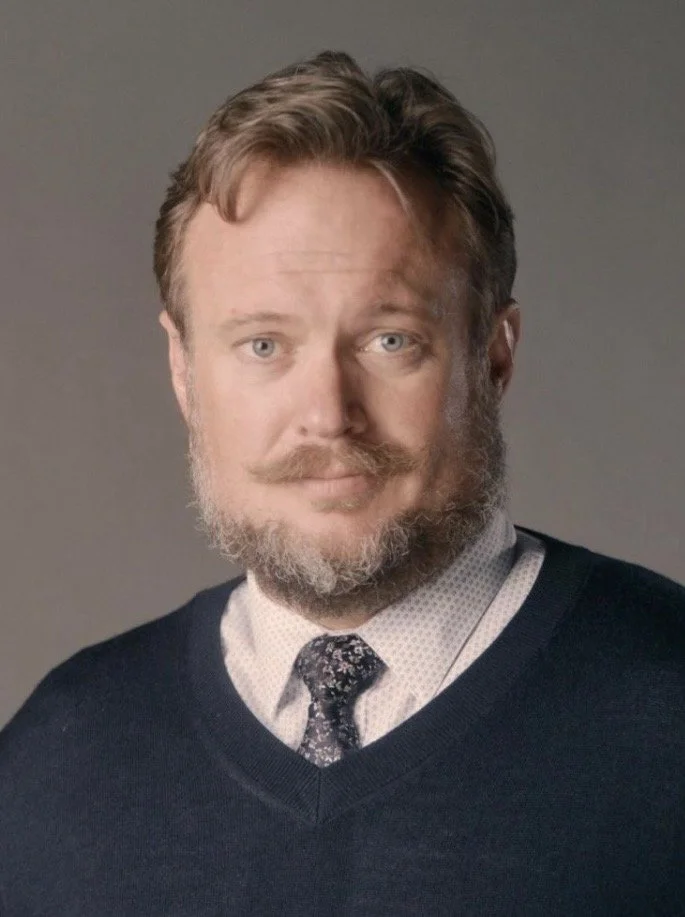
In an era where universities increasingly claim to be guardians of truth, the question many Americans are asking is simple: What happens when truth becomes inconvenient?
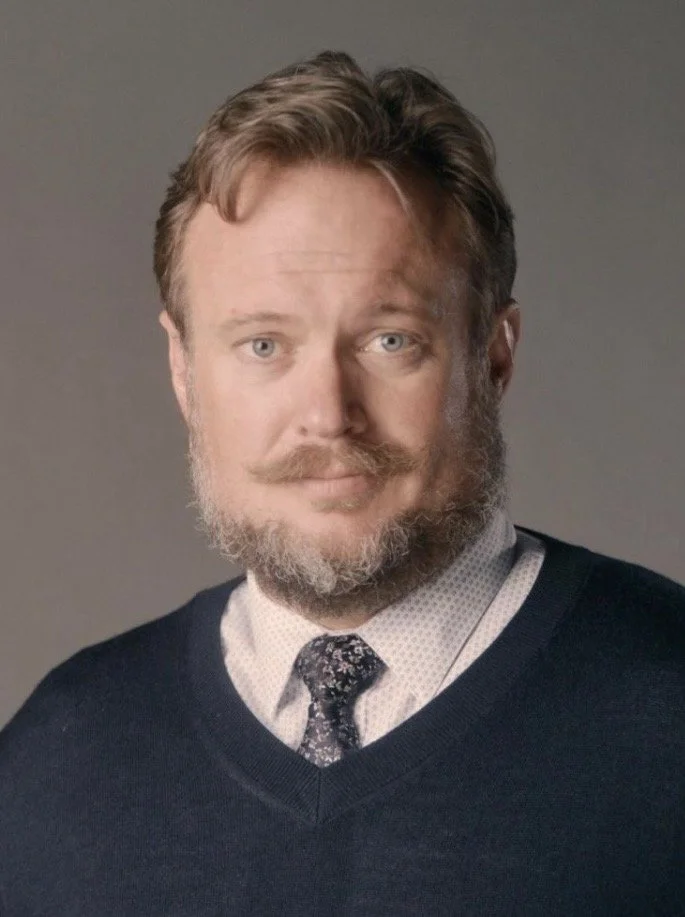
Dr. Owen Anderson is a professor at Arizona State University, a philosopher, and a public intellectual who has spent his career teaching students how to think critically about truth, reason, and moral clarity. But today, those same principles sit at the center of a very real legal battle—his ongoing lawsuit involving ASU.
On the CommonX Podcast, Dr. Anderson didn’t dodge the issue. He addressed it directly, carefully, and professionally—laying out why his case isn’t just about one professor or one university, but about the broader direction of higher education in America.
At stake is a growing tension inside academia:
Can universities tolerate viewpoints that challenge prevailing ideological norms?
Dr. Anderson explained how philosophy—once the backbone of higher learning—has increasingly been sidelined by political pressure, bureaucratic management, and fear of controversy. His lawsuit, he argues, exposes how institutions often prioritize reputation and compliance over open inquiry.
What made the conversation especially compelling was Dr. Anderson’s willingness to engage difficult cultural terrain without theatrics. When discussing figures like Charlie Kirk, a name that often sparks immediate polarization, Anderson demonstrated what intellectual honesty actually looks like: addressing ideas on their merits, acknowledging disagreement, and refusing to reduce complex debates into slogans or caricatures.
This wasn’t outrage content.
It was disciplined thought.
In a media landscape addicted to extremes, Dr. Anderson modeled something increasingly rare—measured courage. He spoke openly about his legal situation, navigated cultural landmines with precision, and reminded listeners that universities were never meant to be ideological training grounds, but places where truth could withstand scrutiny.
His appearance on CommonX wasn’t just an interview—it was a case study in what happens when philosophy collides with modern institutional power.
And whether one agrees with Dr. Anderson or not, his situation raises a question that can no longer be ignored:
If professors cannot speak freely inside universities, where exactly is free thought supposed to live?
Our episode with Dr. Owen Anderson is available today on all major platforms where podcasts are played.

Inside the Underground GLP-1 Parties — America’s New Weight-Loss Speakeasy
America now has an underground scene you won’t find in any fitness magazine: the GLP-1 Party. It’s part Tupperware gathering, part speakeasy, and part social experiment — where friends secretly share skinny-shot wisdom and joke about missing carbs. Welcome to the newest bizarre chapter of modern wellness.

There was a time when people snuck whiskey into flasks at weddings, hid cigarettes from their parents, or swapped bootleg mixtapes behind the bleachers. But now?
Welcome to the GLP-1 Speakeasy — America’s newest underground social experiment. Part health trend, part black market swap meet, part Tupperware party for people who “just don’t get hungry anymore.”
If you thought Ozempic was just a prescription… buckle up. We’re entering the beige-couch, charcuterie-board, “Girl Dinner” dystopia.
The Birth of the Skinny-Shot Social Club
It always starts the same way. A book club. A mom group. A couple of friends at a wine night. One person mentions they “started something new,” another admits they “barely eat now,” and suddenly you’ve got a circle of people whispering about doses like teenagers discussing their first beer.
Boom. GLP-1 Party.
Snacks no one touches. LaCroix cans sweating untouched on the countertop. And someone’s cousin who “knows a guy” showing up with a tiny cooler like it’s contraband.
The Black Market Ozempic Hustle
Here’s where it gets spicy. Not everyone at these gatherings is holding a valid prescription.
Some are:
splitting doses
trading leftovers
buying from shady online pharmacies
meeting strangers in parking lots
Venmo’ing people with usernames like F1tnessPlug1997
It’s not exactly the Prohibition era…But the energy is absolutely “Psst… you lookin’ for GLP-1, buddy? CommonX doesn’t judge — we just observe the chaos of modern America with popcorn. Well… metaphorical popcorn. Nobody at these parties is eating.
Gen-X Watching This Like: “This Is Just Tupperware Parties With Needles.”
Gen-X grew up on:
TV dinners
Kool-Aid
drive-through everything
zero-sugar NOTHING
soda the size of a small aquarium
cigarettes inside the damn Applebee’s
And now? Their friends are injecting appetite suppressants at brunch like it’s totally normal. This is peak generational whiplash. And Gen-X is the only generation that can look at this and say, “Yeah, checks out.”
The Rise of the Ozempic Sommelier
Every group has that friend:
The GLP-1 Guru.
The Dose Whisperer.
The person who has watched 92 hours of TikTok doctors and now speaks about peptides like they’re reviewing wine.
“This one has a smoother onset.”
“This batch hits quicker.”
“You don’t want that one, it’s compounded.”
Congratulations, America. We’ve invented the Weight-Loss Sommelier.
The Social Dynamics Are Getting… Weird
This is where the underground culture gets spicy:
The Loud and Proud:
Posting “Just started my journey!” selfies with a weekly syringe like it’s a gym PR.
The Silent Losers:
They drop 40 lbs and claim it’s “just walking more.”
The Skeptics:
They’re not judging — they’re just watching.
The Denial Crew:
Their fridge is empty, their stomach is quiet, and they insist they “just don’t crave food anymore.”
The Shameless Traders:
“I’ll swap two doses for your last bottle of Wegovy.” It’s a modern soap opera… but everyone is too nauseous to eat popcorn while they watch.
The Meme Wars: GLP-1 Edition
The internet is absolutely feral with GLP-1 humor:
“I miss food.”
“Side effect: you become the main character.”
“Ate three grapes today. Absolutely stuffed.”
“GLP-1 turned my appetite off like a light switch and honestly, good.”
This is the first wellness trend where people are literally bragging about not wanting tacos. This is uncharted territory.
So… Is This Healthy? Dangerous? Or Just America Being America?
CommonX doesn’t preach or pass judgment. We observe culture and call it like it is. Here’s the truth:
We live in a country obsessed with shortcuts, optimization, reinvention, and reinvention of reinvention.
Ozempic and the GLP-1 family are powerful medications — life-changing for many, controversial for others, and a hot social currency in the underground wellness scene.
Is it risky?
Sure.
Is it weird?
Absolutely.
Is it incredibly American? More than apple pie, football, and Cheesecake Factory combined.
The GLP-1 Speakeasy Isn’t Going Anywhere
As long as there are people who want:
✔ weight loss
✔ appetite control
✔ cultural acceptance
✔ and a shortcut to feeling better
…there will be “little parties,” kitchen gatherings, Telegram groups, and friends swapping vials like they’re rare Pokémon cards. CommonX isn’t here to glamorize it — we’re here to shine a light on the wild new corners of American life. This is the GLP-1 Speakeasy. Password required. Syringes optional. Skeleton bouncer checking
The List at the door. Welcome to the future, folks.

The Art of Absurd Violence
It’s stupid. It’s savage. It’s everything we can’t look away from.
In a world obsessed with safety and filters, slap fighting reminds us what raw, unfiltered humanity looks like — pain, pride, and the pursuit of dominance, all in one perfect slow-motion hit.

(An X-Files Feature — CommonX Podcast)
By Ian Primmer | CommonX Podcast
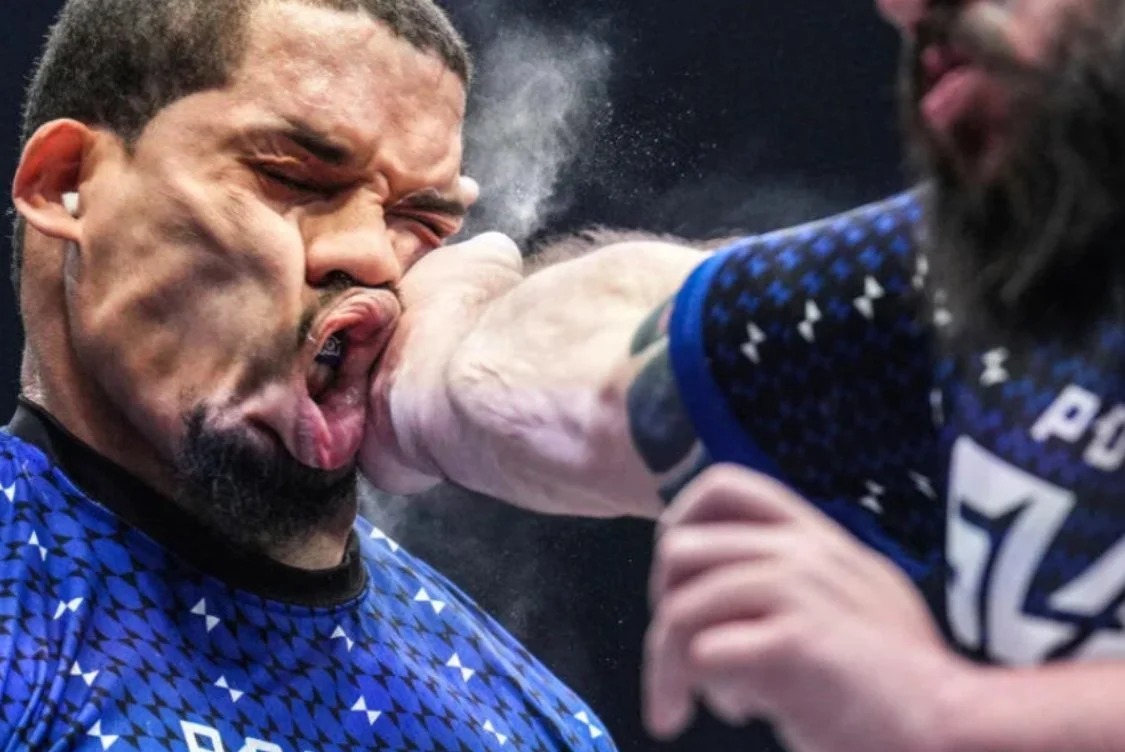
There’s something hypnotic about it. Two competitors, standing inches apart, waiting for impact. The air is still. The crowd leans in. Then — crack. A hand snaps across a face with the sound of a gunshot, chalk dust hanging in the air like smoke.
It’s primal. It’s ridiculous. It’s the most honest sport no one asked for.
Slap fighting — part gladiator spectacle, part internet meme — has become one of the most viral events of the modern era. Born out of bars, backyards, and bad ideas, it’s now televised, sponsored, and streamed to millions. The appeal? Simple: it’s chaos you can measure.
There are no judges arguing over points, no politics, no footwork. Just grit, endurance, and pain tolerance. Whoever stands last, wins. GenX gets it.
We were raised on backyard wrestling, hockey fights, and that stubborn streak of “shake it off.” Slap fights tap into that old-school toughness — the kind that doesn’t hide behind hashtags or filters. But there’s something darker too: maybe we watch because we miss authenticity.
When everything’s staged and sanitized, pain looks real. It’s the absurd poetry of impact. A sport that walks the line between stupidity and art. Between danger and discipline. Between entertainment and existential question:
“How far will someone go just to prove they’re tougher?”
So yeah — it’s dumb. But it’s human.
And maybe that’s why we can’t stop watching.

GENX ICONS UNDER SIEGE FROM CANCEL CULTURE
The artists who raised GenX with grit, guitars, and unapologetic truth are now one old quote away from digital execution. What happened to the world that once celebrated rebellion? And why are our icons suddenly under siege from the same culture they helped create?
(Full X-Files Feature Article)
By CommonX — Ian Primmer
For the X-Files / Culture & Commentary
The artists who raised a generation with guitars, grit, and truth are now caught in a cultural crossfire.
In the 80s and 90s, musicians didn’t censor themselves. They didn’t apologize for being raw, messy, loud, or real. They challenged the world, punched through walls of conformity, and gave GenX a voice when nobody else did.
Fast-forward to 2025 — that voice is under attack.
Today’s cancel culture machine doesn’t wait for context or conversation. It doesn’t pause for nuance or humanity. It weaponizes outrage, scrolls for shortcuts, and hunts for mistakes like blood in the water. The same icons who once defined rebellion are now one old tweet, one misunderstood lyric, or one off-the-cuff interview away from being digitally executed.
What changed?
The artists… or the society that listened to them?
GenX grew up in a different world — when artists were allowed to be human.
We lived through an era where art and truth mattered more than perfection. MTV actually played music. Bands were larger than life. Artists bled their souls on stage.
If you screwed up, you learned. You evolved. You moved forward. You didn’t get erased. Cancel culture doesn’t operate like that. When the mob swarms, it isn’t looking for growth — it’s looking for a trophy.
And it rarely cares who gets crushed in the process.
Social media doesn’t forgive, and it never forgets.
Platforms built for connection and creativity have become courtrooms.
One viral clip — stripped of context — can end a 40-year career overnight.
A musician’s legacy becomes a hashtag.
Corporate sponsors panic.
Labels backpedal. Algorithms throttle distribution.
The artist becomes a villain before they get a chance to speak.
The irony?
GenX was raised on artists who spit in the face of censorship. From punk rock to grunge, from hip-hop to alternative, the icons of our youth thrived by challenging norms, questioning authority, and rejecting conformity. Their imperfections made them human — and their humanity made them legendary.
Now those same qualities are treated like liabilities.
We’re watching a cultural rewriting in real time.
This isn’t just about one artist or one scandal. It’s about a system that punishes authenticity. When musicians are afraid to speak freely:
art becomes sanitized
lyrics lose bite
interviews turn robotic
passion gets replaced by press-tested compliance
The cost isn’t just to the artist — it’s to every fan who found strength in their vulnerability.
GenX refuses to be silent.
We’ve seen enough cycles in this world to understand something simple:
People are complicated. Art is complicated. Life is complicated. None of us are perfect — and neither were our heroes. But imperfection is where honesty lives. GenX doesn’t cancel — we confront.
We talk.
We debate.
We accept truth in all its messy, uncomfortable glory.
The real question: do younger generations understand what we’re losing?
Take away the ability to question society through art, and you strip away something primal from the human experience.
Music becomes safe.
Artists become disposable.
Legacies become fragile.
Cancel culture isn’t creating accountability — it’s manufacturing fear.
And fear is the enemy of creativity.
The CommonX stance: defend the artists who shaped us.
We’ve sat across the table from musicians who lived through eras most people only dream about. We’ve heard stories that would never survive today’s outrage algorithms.
These legends aren’t perfect — but damn, they’re real. And in a world drowning in fakery, that’s worth protecting.

🧠 Stop Going to the Doctor — You can’t afford to live anyway.
Americans aren’t afraid of dying — we’re afraid of the bill that comes with it. So if the system wants to bankrupt us for getting sick, maybe it’s time we let it choke on its own greed.

By CommonX
X-Files: Gen X Culture & Reality
Excerpt
Americans aren’t afraid of dying — we’re afraid of the bill that comes with it. So if the system wants to bankrupt us for getting sick, maybe it’s time we let it choke on its own greed.
The System Is the Sickness
Once upon a time, “Go see your doctor” sounded responsible. Now it sounds like “Get ready to lose your house.”
We’ve hit the point where getting the flu could mean a $3,000 bill. Where a simple ER visit without insurance can cost more than your car. And if you do have insurance? You’re still paying deductibles that look like rent payments.
America’s healthcare system doesn’t want you healthy — it wants you dependent, confused, and in debt. It’s a machine that profits off pain and panic.
Trump’s Move: Bringing Back Medical Debt to Credit Reports
States like Washington fought tooth and nail to protect working people from medical debt wrecking their credit. But now, Trump’s campaign promises include removing those protections — making it legal again for hospitals and debt collectors to weaponize illness.
You didn’t ask for cancer, or a broken arm, or chronic pain. But they’ll still bill you like you ordered it off Amazon.
And when you can’t pay? They’ll drop your credit score, deny you a car loan, deny you a house — and smile for the shareholders’ meeting.
This isn’t healthcare. It’s financial terrorism in a lab coat.
If We Die, We Die — But We Won’t Pay to Do It
You want rebellion? Here it is:
If we’re all going bankrupt and dying anyway, then why keep feeding the monster? Why keep swiping your card for a system that’s actively killing you?
We can die on our own — for free.
Or better yet — we can live without them.
Go to the gym.
Eat real food.
Walk. Meditate. Stretch. Sleep.
Take your health back before they turn it into another subscription plan.
This isn’t anti-doctor. It’s anti-debt. It’s saying: “Until you fix this mess, we’re opting out.” America your broken and you f****ng know it!
The CommonX Rebellion
We’re the generation that learned to fix cars, tape cassettes, and raise ourselves. We can damn well learn to take care of our own bodies.
The message isn’t “never go to the doctor.” The message is: stop funding a system designed to fail you.
Every copay is a vote for corruption. Every unpaid bill is a protest sign. Every healthy Gen Xer who refuses to buy in is another crack in their empire.
You can’t bankrupt people who stop playing the game. We don’t need to go bankrupt to die we can just die alone without extra shit we don’t need.
The Future of Health Belongs to Us
Imagine if wellness became rebellion. If we turned gyms into free clinics of movement and education. If we actually supported laws like Washington’s Medical Debt Protection Act instead of watching them get gutted by lobbyists.
Imagine if we treated corporate greed as the virus — and ourselves as the cure.
Because here’s the truth:
America isn’t dying from disease.
It’s dying from the invoice.

The Torch Still Burns: How CommonX Is Keeping MTV’s Spirit Alive
When MTV started fading from the airwaves, a generation felt like part of its soul was slipping away. But the truth is — the movement isn’t dead. CommonX is carrying the torch, keeping alive the spirit of connection, creativity, and rebellion that MTV once gave us. From iconic artists to new voices, we’re still tuning into the same frequency — the one that plays from the heart of Generation X.

A glowing retro CRT television flickers in a dark room with the CommonX logo and skull emblem on-screen, symbolizing the passing of the MTV torch to a new generation of creators.
🎸 The Torch Still Burns: How CommonX Is Keeping MTV’s Spirit Alive
MTV didn’t just play music.
It played moments — the kind you felt in your bones long before you could name them.
When the headlines hit that MTV was winding down some of its music channels, the internet reacted like it just heard the last guitar feedback fade out. Nostalgia, disbelief, heartbreak — but also something else: a sense that a torch needed carrying. And that’s where we come in. MTV may be changing, but the movement it sparked — that fusion of rebellion, rhythm, and raw emotion — never died. It just evolved. CommonX isn’t replacing MTV. We’re preserving what it stood for and reigniting it for the world we live in now.
🎧 The Signal Never Died
The ‘80s and ‘90s MTV generation was raised on a steady diet of noise, neon, and truth. From “Headbangers Ball” to “120 Minutes,” MTV taught us that music wasn’t just background — it was identity. Now, as traditional TV fades and algorithms decide what you see, CommonX is the counterpunch — a reminder that authentic culture still lives off the grid. From Rudy Sarzo and Ivan Doroschuk to Sid Griffin and Chris Ballew, we’ve sat down with the voices that shaped a generation. The names may have changed, but the spirit — that fearless curiosity to ask, challenge, and create — is still the same. MTV gave us the soundtrack. CommonX is picking up the mic.
🔥 Keeping the Flame Alive
MTV once gave a generation permission to be loud, weird, and unapologetically real. Somewhere along the way, it turned into reruns and reality shows. But here’s the truth — the artists, the dreamers, and the rebels it inspired didn’t disappear. They just went independent. That’s why CommonX exists — to keep the flame burning. To tell the stories behind the music, the meaning behind the madness, and the movement behind the noise. Whether it’s through The X-Files blog, the CommonX Podcast, or Curb Fail Productions, we’re building the next chapter of a legacy that started in front of that flickering TV screen.
⚡ A New Era for Gen-X
We don’t see MTV’s decline as an ending — it’s an invitation. A challenge to the next wave of creators to stop waiting for permission and start broadcasting their own signal. Because the truth is, the world still needs the energy MTV gave us — the guts to challenge, the hunger to create, and the soundtrack that told us who we were. And that’s exactly what CommonX is doing: not replacing the past, but remixing it into the future. ⚡ A New Home for Generation X We’re not competing with MTV — we’re continuing it. Because the truth is, the world still needs what MTV gave us: culture with a conscience, rebellion with rhythm, stories that matter. And now, it’s our turn to amplify it in a new way — one podcast, one article, one story at a time.
This isn’t the end of an era. It’s the next track in the playlist.
💫 CommonX aims to keep MTV Alive
The music didn’t stop — it just found a new station. Welcome to CommonX, where the spirit of MTV still spins.
Written by Ian Primmer — CommonX Podcast