The Unwritten Rules of Being a Man in 2025 — According to Gen X
Gen X never needed gurus or influencers to explain manhood—we learned through trial, error, and showing up. In 2025, these unwritten rules matter more than ever.

Ask a Gen X man about “the rules,” and he’ll usually shrug and say something like,
“Rules? We just kinda figured it out as we went.”
But that’s the secret.
Gen X didn’t grow up with YouTube gurus, 19-year-old influencers selling “alpha” courses, or 47 podcasts telling you how to be a man.
We had trial, error, a toolbox, a Walkman, and whatever wisdom we could steal from older cousins or Metallica lyrics.
Now it’s 2025 — and the world is louder, softer, stranger, faster, and more confusing than ever.
So here they are.
Not written in any book.
Not taught in any class.
But lived, practiced, and passed on quietly by the last generation that grew up without an undo button.
1. If you say you’re going to do something, you do it.
Gen X didn’t learn honor from philosophy books — we learned it from watching adults show up five days a week, punch in, punch out, and not complain.
The rule is simple: Your word is your currency. Spend it wisely.
2. You don’t have to be loud to be strong. The strongest men we knew didn’t talk about it.
They fixed your bike. Carried the heavy stuff.
Said “I’m proud of you” once a decade — which meant it was sacred.
Today’s world rewards noise. Gen X rewards consistency.
3. Know how to fix at least three things without Googling it
A clogged drain.
A loose door hinge.
A tire that needs changing.
Not because you need to be “macho,”
but because being useful is the original superpower.
4. Don’t treat women like princesses — treat them like partners.
Gen X men figured something out:
Women don’t need saving.
They need someone who stands beside them, not above them.
Partnership > pedestal.
5. If you mess up, own it. Immediately.
Gen X grew up without social media.
When you screwed up, the whole school heard about it by lunch.
We learned real fast:
Accountability stops the bleeding.
Avoidance makes it a circus.
6. Don’t ghost your friends — check in on them.
Especially the quiet ones.
Especially the strong ones.
Especially the ones who “seem fine.”
We’ve buried enough of our generation to know this rule matters.
7. Find a craft, a workout, or a discipline — and stick with it.
Lifting.
Running.
Welding.
Painting.
Woodworking.
Drums.
Writing.
A man needs a skill that keeps him sane when the world goes sideways.
8. Respect your parents — even if they’re complicated.
Gen X had the most chaotic childhood decade in modern history.
Latchkey kids.
Broken homes.
Divorced parents.
No supervision.
Yet we still understand this truth: Forgiveness isn’t approval — it’s freedom.
9. Be dangerous — but controlled.
A man who can fight but chooses peace?
That’s a man worth listening to.
A man who can’t fight and pretends he can? That’s Twitter.
10. Never stop evolving.
The world changes.
Technology shifts.
Jobs disappear.
Families transform.
But resilience?
That’s Gen X’s final superpower.
We adapt.
We rebuild.
We grow — even at 45, 55, 65.
Because being a Gen X man in 2025 means this:
You don’t have to be perfect.
You just have to show up — stronger, wiser, and more grounded than yesterday.
11. You don’t brag about the struggle — you show the results.
Everybody talks now.
Everybody posts everything.
Gen X?
We work in silence, then walk in with results.
12. You leave things better than you found them.
Your relationships.
Your body.
Your home.
Your career.
This world.
If you’re a real Gen X man, you’re not here to impress — you’re here to contribute.
Final Word
Being a man in 2025 doesn’t mean being perfect or tough or emotionless.
It means being grounded.
It means leading quietly.
It means pushing forward when it sucks.
It means taking care of the ones who depend on you — and letting them take care of you when you’re the one who needs the help.
Gen X didn’t ask to be the bridge generation.
But we became it anyway.
Because real men don’t wait for someone else to go first.
We just step forward.

The Art of Absurd Violence
It’s stupid. It’s savage. It’s everything we can’t look away from.
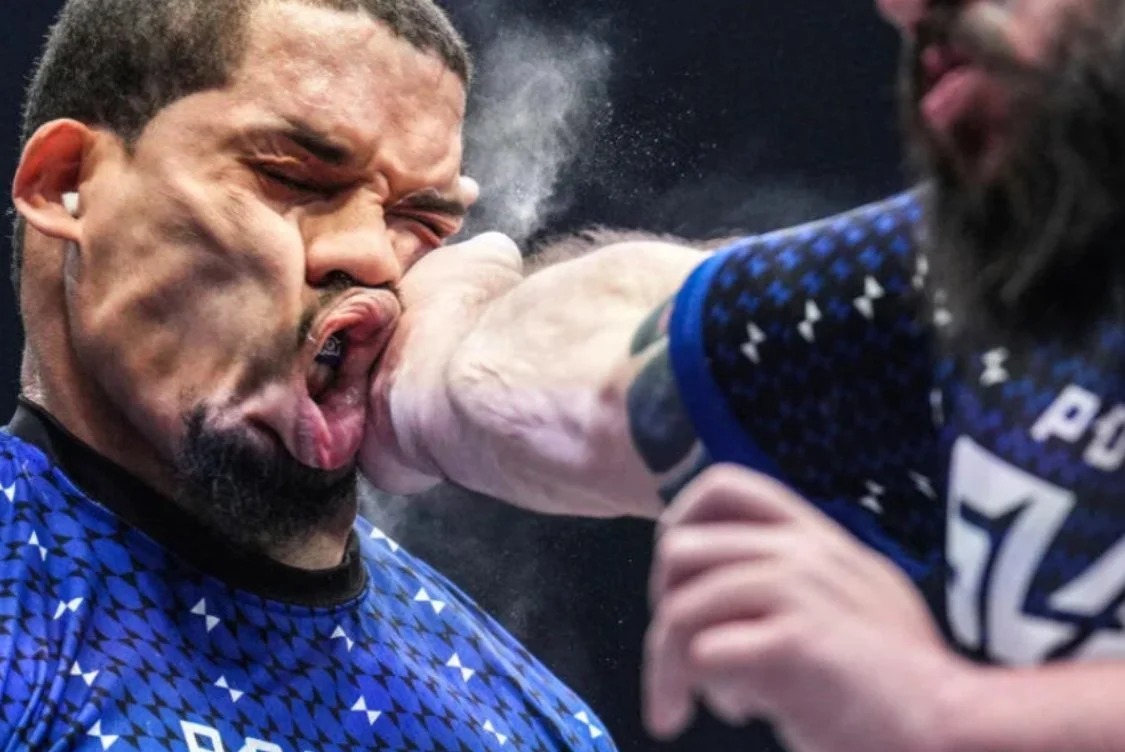
In a world obsessed with safety and filters, slap fighting reminds us what raw, unfiltered humanity looks like — pain, pride, and the pursuit of dominance, all in one perfect slow-motion hit.

(An X-Files Feature — CommonX Podcast)
By Ian Primmer | CommonX Podcast
There’s something hypnotic about it. Two competitors, standing inches apart, waiting for impact. The air is still. The crowd leans in. Then — crack. A hand snaps across a face with the sound of a gunshot, chalk dust hanging in the air like smoke.
It’s primal. It’s ridiculous. It’s the most honest sport no one asked for.
Slap fighting — part gladiator spectacle, part internet meme — has become one of the most viral events of the modern era. Born out of bars, backyards, and bad ideas, it’s now televised, sponsored, and streamed to millions. The appeal? Simple: it’s chaos you can measure.
There are no judges arguing over points, no politics, no footwork. Just grit, endurance, and pain tolerance. Whoever stands last, wins. GenX gets it.
We were raised on backyard wrestling, hockey fights, and that stubborn streak of “shake it off.” Slap fights tap into that old-school toughness — the kind that doesn’t hide behind hashtags or filters. But there’s something darker too: maybe we watch because we miss authenticity.
When everything’s staged and sanitized, pain looks real. It’s the absurd poetry of impact. A sport that walks the line between stupidity and art. Between danger and discipline. Between entertainment and existential question:
“How far will someone go just to prove they’re tougher?”
So yeah — it’s dumb. But it’s human.
And maybe that’s why we can’t stop watching.
The Iron Claw: When Strength Becomes a Burden
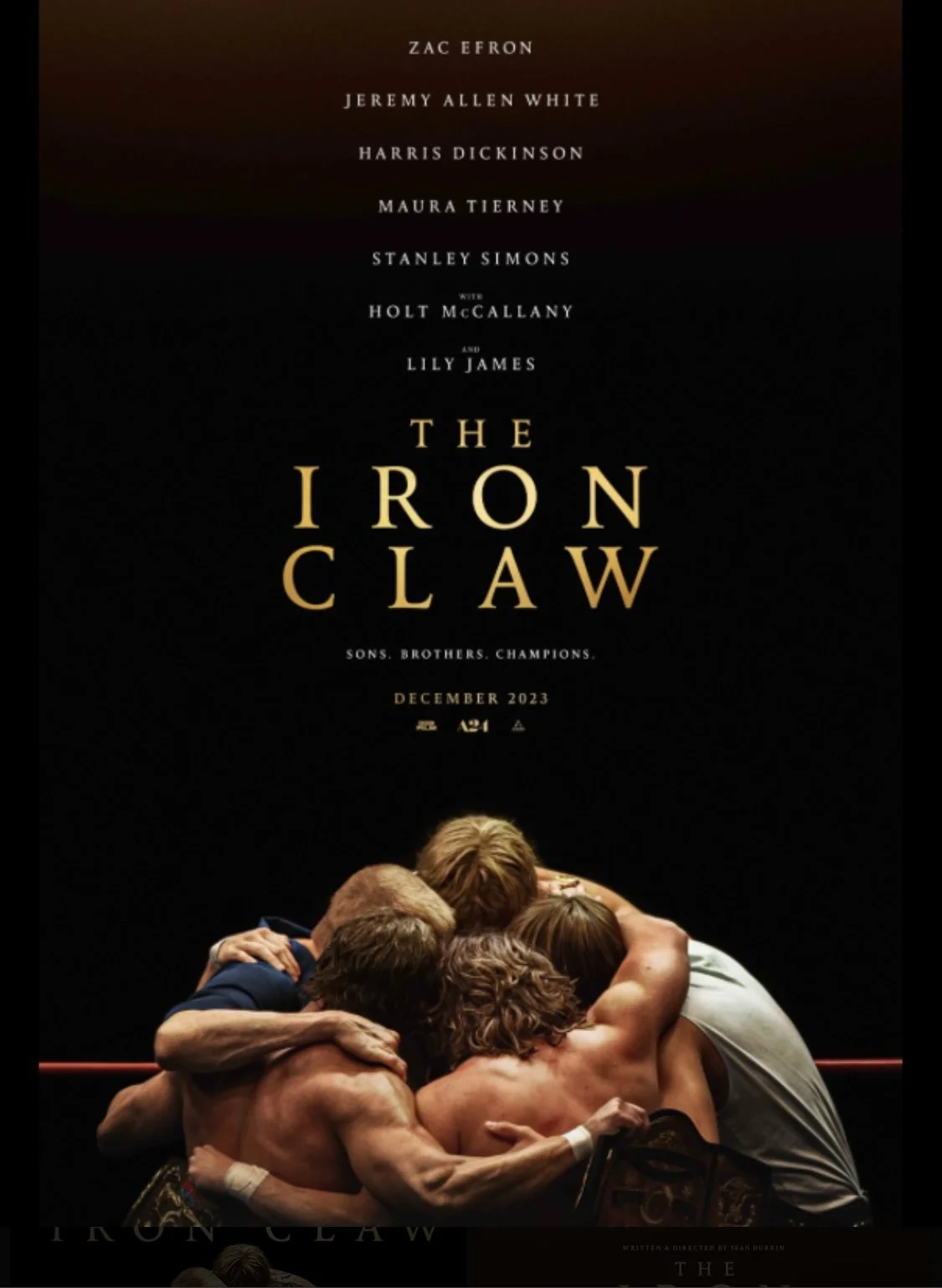
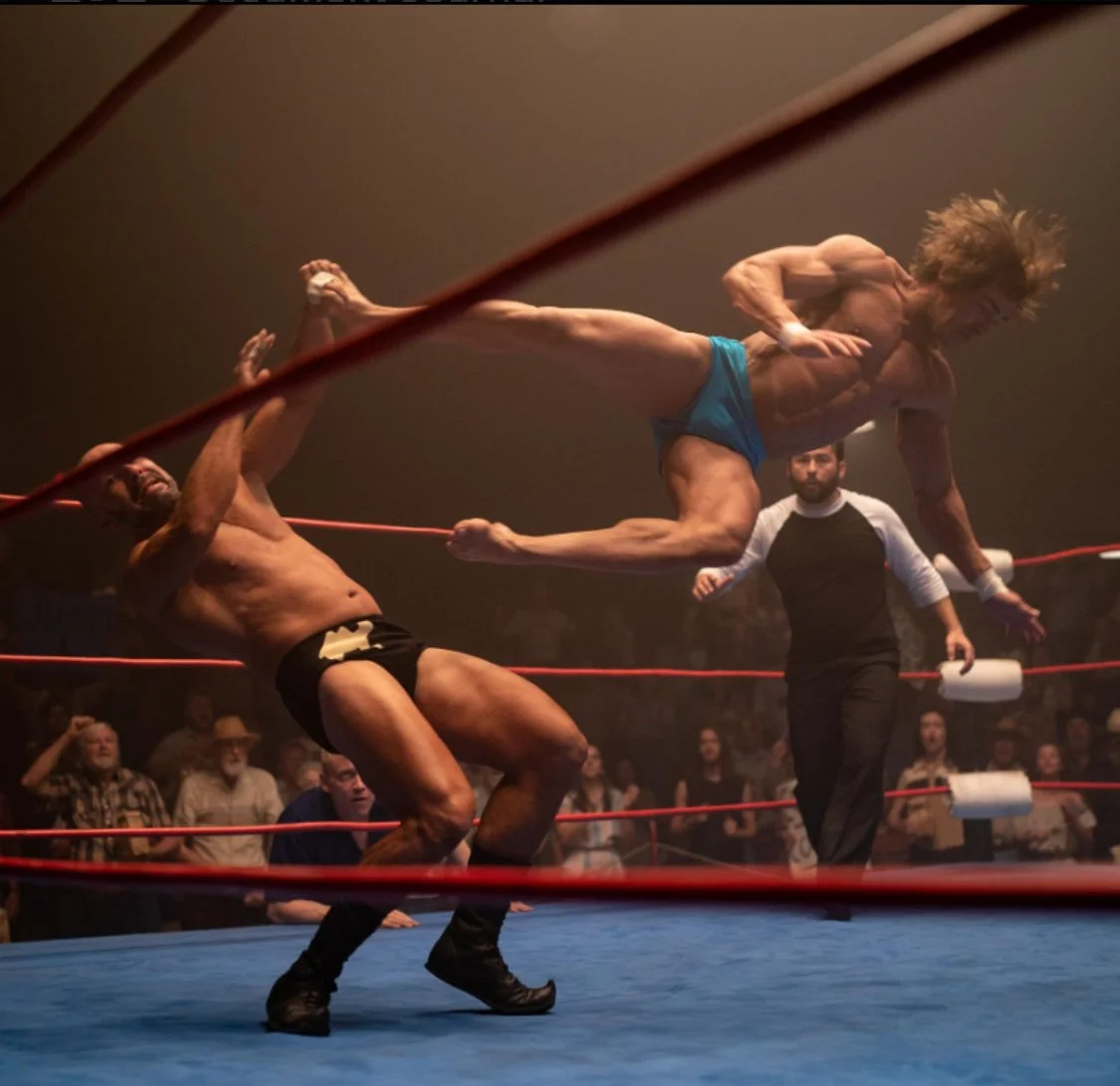
The Iron Claw is more than a wrestling film — it’s a eulogy for the Von Erich family and every generation of men who were told that pain was weakness. CommonX looks at how the real curse wasn’t fate, but the weight of silence.
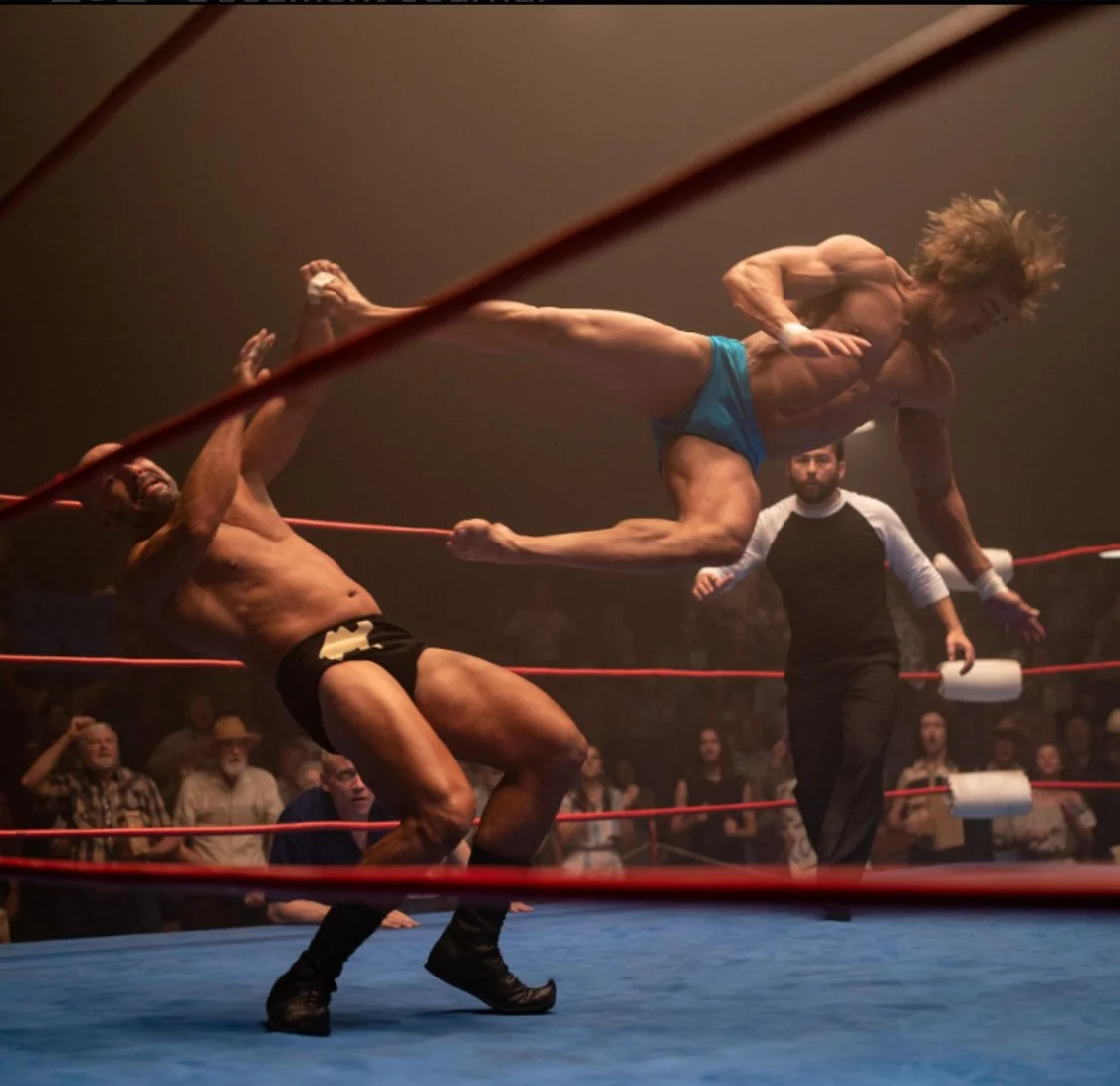
“The Von Erichs didn’t wrestle opponents. They wrestled fate — and it always fought back harder.”
There’s a moment in The Iron Claw where Zac Efron’s Kevin Von Erich stares into nothing, his face carved by exhaustion and quiet grief. It’s not acting — it’s witnessing. You see a man holding the weight of a bloodline built on strength, success, and tragedy. You see every generation of men who were told to take the hit and keep standing.
A Family That Built an Empire on Pain
Before the movie lights, before the glitz of Texas stadiums, there was Jack Adkisson — known to the world as Fritz Von Erich. He was a powerhouse in wrestling’s golden age and the architect of a dynasty. But what he really built wasn’t a brand; it was a burden.
Fritz raised his sons to be champions, not children. He gave them muscles before mercy, fame before freedom. Wrestling wasn’t a choice — it was the family business, and the business came with blood.
What followed was heartbreak so relentless it became legend.
David Von Erich died mysteriously in Japan.
Mike, devastated by injury and pressure, took his own life.
Chris, frail and broken, followed him.
Kerry, beloved by fans, ended his life in 1993.
Four sons, gone. One father left behind, and one brother — Kevin — forced to carry their ghosts into every sunrise.
The Curse: Not Superstition, but Expectation
People called it the Von Erich curse, like it was some cosmic punishment. But what The Iron Claw shows us is that the real curse wasn’t mystical at all — it was cultural. It was the curse of men who were taught that emotion is weakness, that winning redeems pain, and that silence is strength.
In every flex of Efron’s performance, you can feel it — the strain of holding in tears that never had permission to fall.
“We were raised to be strong,” Kevin says in the film.
“But maybe strong just means you can’t ask for help.”
That line cuts right to the Gen X core — to every man who learned to swallow failure, bury pain, and smile through breakdowns.
The Weight of Myth
Sean Durkin’s direction is merciless and beautiful. He films the Von Erichs like gods and ghosts at the same time — always illuminated, always doomed. The camera lingers on every bruise, every smile hiding exhaustion, every locker-room prayer that feels like a goodbye.
And Holt McCallany as Fritz? Pure power and heartbreak. He isn’t a villain; he’s a product of his own myth — a man who believed that if you pushed hard enough, love could be forged out of discipline.
But the truth The Iron Claw exposes is simple: you can’t out-train pain.
And you can’t out-wrestle grief.
The Last Man Standing
Kevin Von Erich — the real man, not just the character — lives in Hawaii now. Surrounded by his children and grandchildren, he’s found peace in nature, love, and distance from the ring. But he’ll tell you himself — peace wasn’t free.
He watched every brother fall, watched the empire burn down, and still carried the name. The movie ends not with victory, but survival. That’s what makes it powerful — it’s not about champions. It’s about endurance.
“Survivors don’t win,” Kevin once said in an interview. “They just keep going.”
That’s the gospel of The Iron Claw. The Von Erichs gave everything — their bodies, their youth, their sanity — to an industry that cheered while they broke.
Why It Hits So Hard for Our Generation
For Gen X, The Iron Claw feels like looking in a mirror that doesn’t lie. We grew up in a world that worshipped toughness — latchkey kids turned into relentless adults, hustling, grinding, hiding pain under sarcasm and work ethic.
The Von Erich story asks the question most of us avoid: What if strength is the very thing that’s killing us?
That’s not weakness — that’s revelation. It’s the moment you realize that vulnerability isn’t surrender. It’s healing.
🎙️The CommonX Takeaway
The legacy of the Von Erichs isn’t about fame or failure — it’s about the cost of inherited pain. And The Iron Claw doesn’t just resurrect their story; it redeems it. It shows what happens when a family tries to build forever out of flesh and willpower. It shows that love without permission to be human turns into tragedy.
And most of all, it reminds us that silence — the thing we were taught to call strength — can destroy everything we love if we let it. “Maybe the Von Erichs weren’t cursed,” the article closes.
“Maybe they were just the first to show us what the curse really looks like.”