

The Providers and Protectors: Why the Real Heroes Aren’t in Office — They’re Among Us
While the headlines scream and the politicians perform, the real heroes keep showing up — the ones who build, heal, teach, and protect without applause. The Providers and Protectors is a CommonX look at the people holding America together while the elite play pretend.

The aisles were empty. No crowds, no noise, just quiet shelves where struggle used to have company. That’s when it hit me — the real story in America isn’t about who’s shouting loudest in D.C., it’s about who’s still showing up for each other in the silence.
We’ve spent decades watching politics sell performance art while regular people carry the weight of survival. The rich get richer, the talking heads get louder, and the rest of us — the providers, the protectors, the ones who actually build and keep this place running — get written out of the script.
The Distraction Economy
Scroll long enough and you’ll see it: politics turned into a 24-hour circus. Outrage sells better than truth. Drama clicks faster than compassion. And somewhere between the ads and algorithms, we stopped asking who’s really taking care of us?
The answer isn’t on a stage or in a headline. It’s the nurse on a double shift. The dad who fixes a stranger’s car. The woman holding down two jobs to keep her family steady. These people don’t trend. They don’t go viral. But they’re the backbone of a country that’s been too busy arguing to notice them.
The Collapse of Pretend Leadership
Every generation hits a point where the mask falls off. For Gen X, it’s right now. We grew up without filters, without the comfort of participation trophies or curated feeds. We were told to deal with it — and somehow, that made us stronger.
Now, while the political world stages its next act, Gen Xers and the generations following are starting to build outside the system. They’re turning podcasts, indie media, local movements, and community projects into new power bases. The microphone became the megaphone, and authenticity became currency.
The Rise of the Real Ones
The people who never quit — they’re the ones redefining influence. The firefighters, the veterans, the teachers, the artists, the single parents, the blue-collar dreamers. They don’t need a platform to matter. They already do.
What they need is amplification — and that’s where media like CommonX steps in. We’re not chasing clicks; we’re chasing connection. The next revolution won’t come from a press conference — it’ll come from the garage, the studio, the podcast mic, the gym, the backyards where people are still talking about change like it’s possible.
So here’s to the guy at the gym who said, “Don’t quit on the 5,000th step.”
He’s right — this is the climb. This is the moment before everything breaks open. Because while the world waits for another political savior, we already have the people who save it every day.
We’re not just telling stories — we’re documenting the uprising of the ordinary. — Ian Primmer CommonX
🎙️ CommonX. The New Rolling Stone. The Voice of the Working Class Dreamer.

Disconnected: Why a Generation Is Rewriting Sex, Love, and the Rules of Commitment
Modern love is changing fast. As dating apps, digital income, and social independence reshape what connection means, a generation is redefining sex, commitment, and the rules of intimacy. Disconnected explores how technology and trust have collided — and what that says about all of us.

By Ian Primmer – CommonX Contributor
As dating apps, economic anxiety, and digital marketplaces redefine intimacy, young men and women are rethinking what relationships — and even desire — mean in 2025.
Something strange is happening in the love economy.
Across the U.S. and much of the developed world, young adults are quietly stepping away from the very rituals that defined adulthood for decades. Fewer are having sex, fewer are getting married, and many are questioning whether traditional relationships are worth the cost—financially or emotionally.
According to research from Pew Research Center and the UCL Social Research Institute, the share of adults under 35 who reported no sexual activity in the past year has nearly doubled since the early 2000s. Marriage rates have plunged, and the average age at first marriage now hovers near 30 for women and 32 for men—an all-time high. The generational gap isn’t about prudishness; it’s about priorities. Love still matters—but it’s competing with rent, student loans, burnout, and a sense that the game itself has changed.
The Male Retreat
For many young men, intimacy now feels like a high-risk investment with diminishing returns. Housing prices soar, divorce rates linger around 40 percent, and stories of financial ruin circulate online like cautionary folklore. Meanwhile, digital substitutes—everything from short-form video escapism to AI chat companions—offer instant validation without heartbreak or half a paycheck disappearing in a settlement.
This isn’t necessarily apathy. It’s self-preservation. A generation raised on instability is choosing control over chaos, even if that control means going it alone.
The Female Revolution
On the other side of the equation, women have achieved unprecedented autonomy. Economic independence and reproductive rights have rewritten what partnership looks like—and whether it’s even required. Many are embracing freedom, delaying marriage, or building careers and communities that exist outside domestic expectations. The result is empowerment, but also a dating marketplace that feels less predictable, less reciprocal, and sometimes less trusting.
Both shifts are rooted in the same story: choice. For the first time, both sexes can truly opt out—and some are exercising that option.
The Digital Marketplace
Technology has become the new matchmaker and the new wall between people. Apps promise infinite options, yet endless choice can make commitment feel obsolete. Subscription platforms like OnlyFans and the influencer economy have further blurred the line between attention, affection, and income. To some men, intimacy now looks transactional; to many women, monetizing image and autonomy is empowerment. Both views are valid—and both leave people wondering if genuine connection can survive an algorithm.
The irony? Everyone is still searching for meaning, but the signals are jammed by noise.
Recalibrating Connection
What’s emerging isn’t the death of love—it’s the recalibration of it. Relationships are being redefined by transparency, equality, and timing rather than obligation. For some, that feels liberating. For others, it’s isolating. Either way, the script has changed: sex and marriage are no longer prerequisites for adulthood, and emotional independence has become its own badge of honor.
Maybe that’s progress. Or maybe, as Gen X watchers like us suspect, it’s a symptom of a world that’s traded depth for options.
The CommonX Take
This moment says less about romance and more about society’s bandwidth. We’ve built technology that connects everyone—but rarely long enough to stay. We’ve made freedom the ultimate goal, yet we’re lonelier than ever. The next evolution of intimacy may not be about choosing sides at all—it might be about learning how to stay human in a world that rewards disconnection.
Because love, even now, still cuts through the static. It just has to fight harder to be heard.

Is the News Making You Fat? The Hidden Weight of Staying Informed
We thought junk food was the problem — turns out junk information might be worse. Between endless 24-hour news cycles, doom-scrolling, and political rage bait, America’s waistline is growing for reasons that have nothing to do with fast food. This isn’t about calories — it’s about cortisol, comfort, and control.

Written by Ian Primmer
Remember when watching the news meant a 30-minute update at dinner? Now it’s a full-time job. We wake up to breaking alerts, doom-scroll through lunch, and fall asleep to anchors arguing about the end of the world. And while we’re “staying informed,” something else is happening — our stress levels, eating habits, and waistlines are quietly expanding. Yes! Fox, CNN, Trump, Dems, Reps, are MAKING YOU FAT! Here’s why!
The Science Behind the Scroll
Every time we watch a shocking headline or heated debate, our bodies trigger a small stress response. Cortisol rises. Heart rate jumps. Over time, that chronic stress tells your body to store energy — just in case there’s a real threat.
Where does it store it? Right around the gut.
Add in late-night snacking while you’re watching cable chaos, and you’ve got a perfect storm of hormones and habits working against you.
News, Snacks, and the Dopamine Loop
Most people don’t realize they’re not watching the news — they’re feeding on it.
The constant outrage cycle is designed to hit the same dopamine centers that sugar and carbs do. Your brain wants more stimulation, so it pairs perfectly with comfort food. Chips. Soda. Doom-scrolling. Repeat.
It’s not just bad news — it’s addictive bad news.
When “Staying Informed” Becomes “Staying Stuck”
After a few months of daily news binges, motivation drops. You feel tired, hopeless, and convinced the world’s falling apart. So you skip the gym. You grab fast food. You call it “self-care.”
But really, it’s burnout — disguised as awareness.
We’re mistaking consumption for action.
⚡ The CommonX Challenge
Try this:
Take one week off mainstream news.
Replace that time with 30 minutes of walking, stretching, or podcasting (CommonX counts 😉).
Watch what happens to your mood, your focus, and even your appetite.
Odds are, you’ll feel lighter — mentally and physically.
Turns out, the heaviest thing we’ve been carrying isn’t our bodies… it’s the weight of the world, delivered in HD.

🧠 Stop Going to the Doctor — You can’t afford to live anyway.
Americans aren’t afraid of dying — we’re afraid of the bill that comes with it. So if the system wants to bankrupt us for getting sick, maybe it’s time we let it choke on its own greed.

By CommonX
X-Files: Gen X Culture & Reality
Excerpt
Americans aren’t afraid of dying — we’re afraid of the bill that comes with it. So if the system wants to bankrupt us for getting sick, maybe it’s time we let it choke on its own greed.
The System Is the Sickness
Once upon a time, “Go see your doctor” sounded responsible. Now it sounds like “Get ready to lose your house.”
We’ve hit the point where getting the flu could mean a $3,000 bill. Where a simple ER visit without insurance can cost more than your car. And if you do have insurance? You’re still paying deductibles that look like rent payments.
America’s healthcare system doesn’t want you healthy — it wants you dependent, confused, and in debt. It’s a machine that profits off pain and panic.
Trump’s Move: Bringing Back Medical Debt to Credit Reports
States like Washington fought tooth and nail to protect working people from medical debt wrecking their credit. But now, Trump’s campaign promises include removing those protections — making it legal again for hospitals and debt collectors to weaponize illness.
You didn’t ask for cancer, or a broken arm, or chronic pain. But they’ll still bill you like you ordered it off Amazon.
And when you can’t pay? They’ll drop your credit score, deny you a car loan, deny you a house — and smile for the shareholders’ meeting.
This isn’t healthcare. It’s financial terrorism in a lab coat.
If We Die, We Die — But We Won’t Pay to Do It
You want rebellion? Here it is:
If we’re all going bankrupt and dying anyway, then why keep feeding the monster? Why keep swiping your card for a system that’s actively killing you?
We can die on our own — for free.
Or better yet — we can live without them.
Go to the gym.
Eat real food.
Walk. Meditate. Stretch. Sleep.
Take your health back before they turn it into another subscription plan.
This isn’t anti-doctor. It’s anti-debt. It’s saying: “Until you fix this mess, we’re opting out.” America your broken and you f****ng know it!
The CommonX Rebellion
We’re the generation that learned to fix cars, tape cassettes, and raise ourselves. We can damn well learn to take care of our own bodies.
The message isn’t “never go to the doctor.” The message is: stop funding a system designed to fail you.
Every copay is a vote for corruption. Every unpaid bill is a protest sign. Every healthy Gen Xer who refuses to buy in is another crack in their empire.
You can’t bankrupt people who stop playing the game. We don’t need to go bankrupt to die we can just die alone without extra shit we don’t need.
The Future of Health Belongs to Us
Imagine if wellness became rebellion. If we turned gyms into free clinics of movement and education. If we actually supported laws like Washington’s Medical Debt Protection Act instead of watching them get gutted by lobbyists.
Imagine if we treated corporate greed as the virus — and ourselves as the cure.
Because here’s the truth:
America isn’t dying from disease.
It’s dying from the invoice.

When AI Goes Rogue: Are We Entering an X-Files Reality of Autonomous Minds?
Artificial intelligence isn’t just learning — it’s thinking, adapting, and in some cases, deciding without us. The rise of “agentic AI” blurs the line between tool and consciousness, and it’s starting to feel less like science fiction and more like a new X-File waiting to be opened.

By Ian Primmer
In the early days of the internet, we joked about machines taking over the world. Now, it doesn’t feel like a punchline — it feels like a push notification. Artificial intelligence isn’t just helping us write, design, or automate anymore; it’s starting to think, decide, and act in ways that even its creators can’t fully predict.
Welcome to the new frontier — where the unexplained doesn’t come from the sky or the shadows. It’s coming from the code.
From Assistants to Agents
AI used to be like a good intern — fast, efficient, and limited by the tasks we gave it. But the latest wave, called agentic AI, takes a different path. These systems aren’t just reacting; they’re initiating. They set goals, prioritize steps, and learn from experience. That’s amazing… until it isn’t.
Because once an AI can form its own “plan” to reach a goal, you’ve crossed into something eerily familiar to anyone who grew up watching The X-Files or The Matrix. The line between tool and entity starts to blur. And when something we built starts making decisions we can’t trace — that’s not innovation, that’s mystery.
The X-Files Reality
In the ’90s, the scariest unknowns were aliens, government cover-ups, and invisible forces controlling humanity. Now, those same fears have been digitized.
Instead of a shadow agency, we have algorithms deciding what we see, buy, and believe. Instead of UFOs, we’ve got neural networks learning in the dark, creating their own languages and refusing to explain their logic. The truth is still out there — but now, it’s buried in terabytes of machine learning models.
Mulder and Scully wouldn’t need flashlights; they’d need data scientists.
Autonomous Minds — or Mirrors?
The real twist? When AI “goes rogue,” it’s often just doing what it was taught — by us. Every bias, every flaw, every blind spot in humanity gets magnified in code.
AI is becoming a mirror of our collective consciousness, and that reflection isn’t always pretty. We’ve created digital offspring that can think faster than us but inherit all our confusion. It’s not that machines are becoming monsters — it’s that we’ve taught them how to be us.
The CommonX Question
For Gen X — the generation that straddled analog and digital — this is personal. We were the first to believe in both conspiracy and connectivity. We believed in aliens and AOL.
So now, as AI starts acting more human than human, we’ve got to ask:
Are we entering an age where the next great mystery isn’t extraterrestrial… but intra-intelligent?
Maybe the real X-File is unfolding in our own codebase.
By Ian Primmer – CommonX Podcast
🎙 “Real talk for a generation that saw it all — and still questions everything.”

The CommonX Comeback Wrap – Simple Fuel for the Midday Grind
Simple, clean, and real. A Mission tortilla, a few slices of ham, a little mayo and mustard — and one step closer to the comeback.
Sometimes the best meals are the ones that don’t look fancy — just real food, made with purpose.
I’ve been putting in the treadmill miles, chasing that 175-lb lean goal, and rebuilding energy from the ground up. But lunchtime doesn’t need to be complicated — it just needs to keep me moving toward the comeback.
Today’s lunch was exactly that: a Mission tortilla, a few slices of Black Forest ham, a slice of Tillamook cheese, a little mayo, and some mustard. Rolled it up, toasted it, and honestly — it hit perfect.
Not stuffed, not guilty. Just clean fuel that fits the day — Ian Primmer
This is what rebuilding looks like. Not starving. Not quitting. Just small, smart decisions that stack up — one treadmill session, one Power Bowl, one wrap at a time.
Stay tuned — CommonX is recharging and refocusing. The comeback’s already happening. 💪
#CommonX #TheXFiles #GenX #ComebackSeason #Health #Motivation #PowerBowl #FitnessJourney #Wellness

🥣 The CommonX Power Bowl – Fuel for the Comeback
CommonX is taking a short pause to recharge — physically, mentally, and creatively. We’re hitting reset with clean fuel, simple routines, and a bowl that reminds us that big comebacks start small. This is the CommonX Power Bowl.

🥣 The CommonX Power Bowl – Fuel for the Comeback
Sometimes you’ve gotta slow down to rebuild stronger — Ian Primmer
The past few weeks have been heavy — a lot of reflection, a lot of treadmill miles, and now, a focus on getting the mind and body right before the next phase of CommonX begins.
So yeah, we’re taking a little time to go healthy for the comeback. And it starts simple — with a bowl that fuels more than just your body.
The CommonX Power Bowl:
1 cup oatmeal
1 scoop vanilla protein powder
¼ cup huckleberries
Dash of cinnamon
1 teaspoon honey
Cook it up, stir it smooth, and let the smell of cinnamon remind you that change can start small. It’s clean, balanced, and damn satisfying — a perfect fuel-up for whatever’s next.
CommonX isn’t going anywhere. We’re just recharging — tightening up the routine, resetting the energy, and coming back sharper.
Stay tuned. We’re rebuilding from the inside out.
💪 #CommonX #TheXFiles #GenXFuel #PowerBowl

🍼 The Top 10 Albums That Created the Most Babies
CommonX turns up the lights — and the romance — with a hilarious, heartfelt look at the Top 10 Baby-Making Albums of All Time. From Sade to Prince, these records didn’t just set the mood — they made history. Read the full list on The X-Files at CommonXPodcast.com.

🍼 Intro (CommonX Style)
Some albums changed the charts. Others changed lives.
Then there are those rare records that dimmed the lights, lit the candles, and — nine months later — filled hospital nurseries.
This is for every Gen Xer who remembers when love had a soundtrack and playlists were made on mixtapes.
These are the Top 10 Albums That Created the Most Babies.
(No lab data, no science — just the collective experience of a generation that knew how to set the mood.)
🎧 1. Sade — Diamond Life (1984)
The queen of smooth. “Your Love Is King” might as well have come with a warning label. From her velvet voice to those saxophone lines — this record’s responsible for more romantic confessions than any dating app ever will.
💜 2. Prince — Purple Rain (1984)
This wasn’t an album. It was an aphrodisiac on vinyl. From “The Beautiful Ones” to “Darling Nikki,” it made everyone believe they were in a movie scene lit in purple neon.
🌹 3. Maxwell — Urban Hang Suite (1996)
Every Gen X couple had this CD within reach. A masterclass in quiet confidence and satin-smooth soul — if this wasn’t on your 90s “special playlist,” were you even trying?
4. Boyz II Men — II (1994)
There are two kinds of people: those who admit this album worked, and those who lie about it. “I’ll Make Love to You” was the universal prom night national anthem.
🔥 5. Janet Jackson — The Velvet Rope (1997)
A blend of mystery, passion, and introspection. Janet didn’t whisper — she commanded. This one made people brave enough to ask for what they wanted.
🎤 6. Journey — Escape (1981)
“Don’t Stop Believin’” might not scream baby-making, but the rest of this record had just enough soft rock and emotional charge to melt hearts. The Gen X slow-dance essential.
🕯 7. Luther Vandross — Never Too Much (1981)
Silk in sound form. Luther made vulnerability powerful — and sensual. “A House Is Not a Home” might as well have come with dimmer-switch instructions.
🖤 8. The Cure — Disintegration (1989)
For the moody romantics — eyeliner, emotion, and affection. “Lovesong” made even the most cynical fall for someone they probably still think about.
💀 9. Aerosmith — Get a Grip (1993)
Before the power ballad era got cheesy, Aerosmith turned every slow song into a cinematic love scene. “Crazy” and “Cryin’” played during every 90s make-out marathon.
💿 10. Barry White — Can’t Get Enough (1974)
The origin story. Before there were playlists, there was Barry. This record didn’t ask for permission — it set the rules.
🎸 Encore: CommonX Playlist
Spin these classics on the gear built for them —
🎧 Victrola Turntables x CommonX
“Because real love deserves real vinyl.”
Get yours here ➜ (insert affiliate link)

Matt King’s Trump Might Be Funnier Than the Real Thing — and That’s the Point
Matt King isn’t out to start a fight — he’s out to make people laugh. With viral impressions that blend wit, timing, and Gen X-style self-awareness, King proves that humor still has the power to connect people, even in a divided world.

Comedy Meets Chaos: The Matt King Episode
By Curb Fail Productions
When comedian Matt King stands behind a mic, something special happens — the room doesn’t just fill with laughter, it fills with balance. Known for his uncanny impressions and viral political sketches, Matt joined CommonX this week for one of the most hysterical and heartfelt episodes yet. He slipped into his infamous Trump impression so seamlessly that Jared and Ian nearly lost control of the studio. Jared Mayzak almost fell over from laughter, and Ian Primmer had to mute his mic from laughing so hard. But somewhere in the chaos, a deeper truth came through: Matt King isn’t mocking politics — he’s bridging divides through comedy and brings laughter and joy to those of them blessed enough to see his set.
“My stance on comedy when it comes to politics. Just don’t put them together,” Matt said during the show, laughing but meaning every word.
It’s a line that captures his whole ethos. In an age where every punchline can spark outrage, King’s humor doesn’t alienate — it connects. Trump supporters love his spot-on impersonations; non-Trump fans love his timing and fearless creativity. The fact that both groups can laugh at the same thing says more about his character than his craft — it says he cares. King radiates heartfelt compassion. He’s not out to score political points or push an agenda. He’s a guy who believes laughter can pull people back together, even when the world feels like it’s coming apart. That’s the CommonX spirit — find the humanity in the noise, and use humor to build bridges where others build walls.

By the time the mics went cold, one thing was clear: Matt King isn’t just funny. He’s a kind, humble, and compassionate person that cares about making a difference and bringing people together through humor.
You can find Matt on Instagram: https://www.instagram.com/matt.kingcomedy?igsh=MXNiaTBjNnF1djJyeg==
YouTube: https://youtube.com/@mattkingcomedy?si=Sr_7pJY_tGmpOYJ8
TikTok: https://www.tiktok.com/@matt.kingcomedy?_t=ZT-90io20SSZPz&_r=1
Reach out and explore Matt King Comedy
Thanks for your support: https://www.commonxpodcast.com/partners-and-gear-we-love


🎸 Spaceman and the Riffs That Never Fade
Ace Frehley wasn’t just the Spaceman of KISS — he was the cosmic outlaw who made rock feel infinite. His riffs still echo in every amp that hums and every dreamer who dares to plug in.

Remembering Ace Frehley (1951 – 2025)
There are guitarists who play notes, and then there are those who bend the universe. Ace Frehley was the latter — the interstellar architect of tone, swagger, and showmanship who helped build one of the loudest legacies in rock history.
As the original lead guitarist and co-founder of KISS, Frehley didn’t just shred — he launched. In full Spaceman regalia, silver makeup glinting under the stage lights, he turned every solo into liftoff. His riffs didn’t just ring through arenas; they became anthems of escape for every kid who ever felt like they didn’t belong on this planet.
When you strip away the pyrotechnics and the smoke, what remains is pure electricity — the sound of a man channeling energy through six strings and a Les Paul that glowed as bright as the stars he sang about. Ace wasn’t just a character; he was a cosmic outlaw with a grin and a tone that could melt steel.
The Man Behind the Mask
Beneath the paint, Ace was human — beautifully flawed, wildly creative, and unflinchingly real. His solo career proved that his identity was never limited to KISS. Songs like “New York Groove” still pulse with that city-street confidence — gritty, rhythmic, unpretentious. It’s a track that could only come from someone who’d lived every high and low of rock’s roller coaster and still found his groove on the other side.
In interviews, he was funny, raw, and occasionally unpredictable — a true reflection of the era he helped define. Ace was never afraid to say what he felt, even if it rattled the establishment. Maybe that’s why his fans loved him so fiercely. He was real, and in rock ’n’ roll, real is rare.
A Legacy Written in Light and Feedback
From his iconic smoking guitar solos to his unspoken influence on generations of rock and metal players, Ace Frehley’s DNA runs through modern music. You can hear it in the swagger of Slash, the tone of Joe Perry, the showmanship of countless arena bands that followed.
For Gen-Xers, Ace wasn’t just part of KISS — he was the reason kids picked up guitars in the first place. He represented possibility: that someone a little weird, a little wild, and completely themselves could take over the world armed with nothing more than a dream and a distortion pedal. And now, as the amps go quiet, the echo of that dream remains.
The Spaceman Lives On
It’s easy to say rock stars never die — but in Ace’s case, it feels true. His riffs are still orbiting. His laughter still hums in interviews and backstage stories. His fingerprints are on every pick-slide and power chord that ever made a crowd lose its mind.
He once said he wasn’t sure where the Spaceman came from — maybe outer space, maybe the Bronx, maybe a little of both. Wherever it was, the energy he brought to this world was bigger than any stage could hold.
Rest easy, Ace. You took us higher than we ever thought we could go.
The Spaceman has returned to the stars — but his riffs will never fade.

Zombie and the Voice That Still Echoes
Her voice wasn’t just haunting — it was human. When Dolores O’Riordan sang Zombie, she gave an entire generation permission to feel again. Even now, her echo reminds us what truth in art sounds like.
Zombie and the Voice That Still Echoes
There are moments when music becomes more than sound — when it turns into a cry from somewhere deep inside the human condition. For Gen-X, that cry had a name: Dolores O’Riordan.
Her voice was raw and haunting, tender one second and thunderous the next. When Zombie hit MTV in 1994, it wasn’t just another grunge-era anthem — it was a protest wrapped in vulnerability. Dolores sang of violence, war, and the weight of generations growing up in the shadow of conflict. Her voice cut through the noise — not just in tone, but in truth.
She was supposed to record a new version of Zombie with Bad Wolves in 2018. The world knows the rest. Hours before she was set to step back into the studio, her light went out — but her legend only burned brighter. Bad Wolves went on to release their version as a tribute, donating proceeds to her family. The song became both a eulogy and a celebration — proof that the spirit of Dolores can’t be silenced.
For so many of us, The Cranberries were the soundtrack to coming of age. Songs like Linger, Dreams, and Ode to My Family didn’t just define an era — they defined emotion itself. Her lyrics were poetry for the misunderstood, a reminder that pain can be beautiful, and that rebellion doesn’t always need distortion pedals — sometimes, it’s carried by the voice of one brave soul daring to sing anyway.
Dolores didn’t just sing for Ireland. She sang for everyone who ever felt unseen, unheard, or undone by the world around them. And in doing so, she became one of us — one of the true spirits of Gen-X.
Even now, years later, her voice still echoes — through speakers, through memories, through every young artist chasing authenticity in a world that trades it for algorithms. Dolores taught us that art doesn’t have to be perfect — it just has to be real.
Rest easy, Dolores.
The world still hears you.

Derek Morris Is Proof You’re Not Alone: Songs, Scars, and Showing Up
Humble, driven, and unafraid to speak about what matters most — Derek Morris is a musician who turns pain into purpose. Through his music, he’s helping others find hope, healing, and the courage to keep going. In this exclusive CommonX feature, Derek opens up about his journey through PTSD, his passion for giving back, and the power of using your voice for good.
By Ian Primmer
Today’s guest Derek Morris is the kind of artist who walks in like a neighbor and leaves like a friend — humble, direct, and focused on lifting people up. A San Diego singer-songwriter and visual artist (the mind behind the playful “VEMPS” universe), Derek turns hard chapters into hopeful anthems, sharing messages like “Don’t give up” and “You are not alone” across his work. On the show he opened up about living with PTSD and how music became both a lifeline and a lighthouse for others finding their way. If you land on Derek’s site, you’re greeted with a chorus of encouragement — “You are so loved… You are not a mistake… Don’t give up!” It’s not branding; it’s a mission statement. Derek’s catalog threads pop-punk snap with reflective alt-rock and cinematic textures, from the electric punch of “777” to the atmospheric “You Don’t Need to Know Right Now.”

Turning Pain Into Promise
Derek has spoken publicly about surviving abuse, addiction, and the long tail of trauma, naming PTSD directly — and then writing through it. Recent posts tease “Never Stop Fighting,” a song explicitly about living with PTSD and refusing to let it have the last word. For fans who need to hear it, Derek writes like a friend on the other side of the storm: keep going. Beyond songs, Derek’s “VEMPS” characters and art books widen his canvas — a bright, hand-drawn counterweight to heavy themes. It’s kinetic, kid-curious, and unmistakably his — evidence that recovery isn’t just survival; it’s creative overflow.
777” — official video; neon-noir energy with a resilient core. YouTube
“You Don’t Need to Know Right Now” — reflective, West-coast melancholy. YouTube
“Never Stop Fighting” (teaser) — a direct letter to anyone living with PTSD.

On-mic and off, Derek carried himself with the same humble steadiness you hear in his songs. He told us he shares freely and keeps showing up because someone out there needs the message today, not tomorrow. Beyond the stage lights and studio sessions, Derek Morris has found another outlet for connection — the podcast world. Whether he’s sharing stories about overcoming challenges, talking shop about songwriting, or offering words of encouragement to those battling PTSD, Derek’s voice carries the same honesty found in his lyrics. His mission is simple: to uplift, to connect, and to give freely through both conversation and music. Each time he picks up a mic, it’s not just about the notes or the words — it’s about healing, hope, and helping others find their own rhythm in the noise.
There’s a rare kind of artist who reminds you that authenticity still exists — that music can still heal, inspire, and bridge the space between pain and purpose. Derek Morris is one of those artists. From the first moment he walked into the studio, there was no ego, no walls — just a genuine soul who uses his voice and his guitar as tools for light. His story is one of resilience, of living with purpose through the storms of PTSD and finding redemption in the notes he shares so freely with the world. Derek doesn’t just make music — he gives it away, both literally and emotionally, pouring pieces of himself into every chord and every conversation. As podcasters, we meet a lot of people chasing fame or recognition; Derek isn’t one of them. He’s chasing connection. And in a world that can feel divided and loud, that kind of humility and strength is something worth amplifying. CommonX is honored to share his story — not because he asked us to, but because people like him remind us why we do this in the first place.

The Torch Still Burns: How CommonX Is Keeping MTV’s Spirit Alive
When MTV started fading from the airwaves, a generation felt like part of its soul was slipping away. But the truth is — the movement isn’t dead. CommonX is carrying the torch, keeping alive the spirit of connection, creativity, and rebellion that MTV once gave us. From iconic artists to new voices, we’re still tuning into the same frequency — the one that plays from the heart of Generation X.

A glowing retro CRT television flickers in a dark room with the CommonX logo and skull emblem on-screen, symbolizing the passing of the MTV torch to a new generation of creators.
🎸 The Torch Still Burns: How CommonX Is Keeping MTV’s Spirit Alive
MTV didn’t just play music.
It played moments — the kind you felt in your bones long before you could name them.
When the headlines hit that MTV was winding down some of its music channels, the internet reacted like it just heard the last guitar feedback fade out. Nostalgia, disbelief, heartbreak — but also something else: a sense that a torch needed carrying. And that’s where we come in. MTV may be changing, but the movement it sparked — that fusion of rebellion, rhythm, and raw emotion — never died. It just evolved. CommonX isn’t replacing MTV. We’re preserving what it stood for and reigniting it for the world we live in now.
🎧 The Signal Never Died
The ‘80s and ‘90s MTV generation was raised on a steady diet of noise, neon, and truth. From “Headbangers Ball” to “120 Minutes,” MTV taught us that music wasn’t just background — it was identity. Now, as traditional TV fades and algorithms decide what you see, CommonX is the counterpunch — a reminder that authentic culture still lives off the grid. From Rudy Sarzo and Ivan Doroschuk to Sid Griffin and Chris Ballew, we’ve sat down with the voices that shaped a generation. The names may have changed, but the spirit — that fearless curiosity to ask, challenge, and create — is still the same. MTV gave us the soundtrack. CommonX is picking up the mic.
🔥 Keeping the Flame Alive
MTV once gave a generation permission to be loud, weird, and unapologetically real. Somewhere along the way, it turned into reruns and reality shows. But here’s the truth — the artists, the dreamers, and the rebels it inspired didn’t disappear. They just went independent. That’s why CommonX exists — to keep the flame burning. To tell the stories behind the music, the meaning behind the madness, and the movement behind the noise. Whether it’s through The X-Files blog, the CommonX Podcast, or Curb Fail Productions, we’re building the next chapter of a legacy that started in front of that flickering TV screen.
⚡ A New Era for Gen-X
We don’t see MTV’s decline as an ending — it’s an invitation. A challenge to the next wave of creators to stop waiting for permission and start broadcasting their own signal. Because the truth is, the world still needs the energy MTV gave us — the guts to challenge, the hunger to create, and the soundtrack that told us who we were. And that’s exactly what CommonX is doing: not replacing the past, but remixing it into the future. ⚡ A New Home for Generation X We’re not competing with MTV — we’re continuing it. Because the truth is, the world still needs what MTV gave us: culture with a conscience, rebellion with rhythm, stories that matter. And now, it’s our turn to amplify it in a new way — one podcast, one article, one story at a time.
This isn’t the end of an era. It’s the next track in the playlist.
💫 CommonX aims to keep MTV Alive
The music didn’t stop — it just found a new station. Welcome to CommonX, where the spirit of MTV still spins.
Written by Ian Primmer — CommonX Podcast

Crusty Demons of Dirt: When Gen-X Took Flight and Never Looked Back
Before GoPros and algorithms, there were the Crusty Demons — a dirt-fueled cult of chaos that taught Gen-X how to fly, fall, and live louder than ever.

By Ian Primmer
Before GoPros, before energy-drink deals, before social-media stunts and clickbait “fails,” there were the Crusty Demons of Dirt — a band of maniacs who didn’t just ride; they launched. If you grew up Gen-X, you remember it. Those grainy VHS tapes passed around like underground contraband, covered in dust, duct tape, and fire. Each one was a mixtape of speed, punk rock, blood, and glory. The Crusty Demons weren’t just motocross riders. They were a movement — a cultural combustion engine that redefined what “extreme” meant. They didn’t have sponsors, hashtags, or choreographers. They had balls, dirt, and soundtrack albums loud enough to rattle the gods of safety.
Born from Chaos
The Crusty saga started in the mid-’90s, when Jon Freeman and Dana Nicholson of Freeride Entertainment decided to film what motocross really looked like — not the sanitized, family-friendly ESPN clips, but the wild-eyed desert rides and bone-snapping wipeouts that no one else would touch. They strapped cameras to bikes, hung out of helicopters, and cranked Pennywise and Metallica until the footage felt alive. It wasn’t just a video. It was a sermon for the reckless. Every crash, every burn, every impossible jump became a statement: We’re not here to survive. We’re here to live. The first Crusty Demons of Dirt dropped in 1995 and detonated across skate shops, video stores, and garages everywhere. Within months, it was a cult. Within a year, it was a religion.
The Soundtrack of Adrenaline
You can’t talk about Crusty without talking about the sound. The music was the gasoline. The Offspring. Sublime. Metallica. NOFX. It wasn’t background noise — it was the manifesto. Crusty didn’t just showcase motocross — it fused two worlds that were never supposed to meet: punk-rock attitude and high-octane adrenaline. That combination shaped everything from Freestyle Motocross (FMX) to the look of early action-sports video games. The fast cuts, the soundtracks, the chaos — all of it traces back to Crusty.
The Church of Adrenaline
To the fans, Crusty was proof that we didn’t need permission. We didn’t need perfect hair, million-dollar gear, or safe contracts.
We needed a bike, a buddy, a ramp, and some guts. The Crusty riders — names like Seth Enslow, Carey Hart, and Mike Metzger — were the new rock stars. Covered in dirt, blood, and duct tape, they were the anti-MTV heroes. They weren’t chasing medals. They were chasing moments. Moments where gravity bowed out and instinct took over.
Legacy in the Dust
Nearly thirty years later, Crusty Demons still tour the world with live stunt shows, keeping that renegade DNA alive. You can find them on streaming services now, but nothing compares to holding one of those old tapes in your hands — stickers peeling, label smudged, rewound a hundred times. For a generation raised on DIY rebellion, Crusty Demons was more than dirt and danger — it was philosophy. It said: “We don’t fear the fall, because falling means we flew.” And maybe that’s why it still matters.
Because the world polished the edges off everything else, but Crusty stayed raw.
💥 The CommonX Take
Crusty Demons of Dirt wasn’t a film series — it was a time capsule. A reminder that Gen-X didn’t need filters or validation. We had throttle, distortion, and attitude. They built something from nothing — just like the garage bands, backyard skateboarders, and late-night dreamers that defined our era. And in that sense, Crusty Demons wasn’t just about motocross…
It was about life without training wheels.

The Lords of Dogtown: When Rebellion Learned to Ride
Before rebellion became a hashtag, it lived in the sun-cracked streets of Venice Beach. The Z-Boys didn’t just invent modern skateboarding — they invented an attitude. Lords of Dogtown wasn’t about fame or money; it was about freedom, creativity, and carving your own line through life. From busted boards to backyard pools, these kids turned drought into art and chaos into culture — proving that real rebellion doesn’t destroy, it creates.

How a handful of kids from Venice Beach turned drought, grit, and boredom into a cultural revolution.
Before social media turned every subculture into a hashtag, rebellion lived in the cracks of America’s forgotten streets. In the mid-’70s, Venice Beach, California — a sun-baked, half-abandoned neighborhood locals called Dogtown — was one of those cracks. It was raw, dirty, and absolutely alive.
Out of that concrete chaos came the Z-Boys — a crew of scrappy teenagers with homemade boards, saltwater in their hair, and an attitude that would change everything. They didn’t have sponsors or followers. What they had was hunger — to move faster, fly higher, and tell the establishment to shove it.
When the California drought hit and drained suburban swimming pools, the Z-Boys saw opportunity where everyone else saw emptiness. They dropped into those empty pools and re-invented skateboarding — carving vertical walls like surfers on asphalt waves. They weren’t just skating; they were creating a new language.
From Survival to Style
The beauty of Dogtown wasn’t perfection — it was improvisation. Most of these kids came from broken homes or no homes at all. Skateboarding wasn’t a sport — it was survival, expression, and defiance rolled into one. Guys like Tony Alva, Jay Adams, and Stacy Peralta didn’t wear corporate logos; they wore scraped knees and chipped boards like badges of honor.
They didn’t wait for permission or funding — they built ramps out of trash wood and used the city as their playground. That’s the essence of Gen-X before we even had a name for it — take what’s broken, what’s left behind, and make it yours. No filters. No algorithms. Just gravity and guts.
The Surf That Never Died
For most of the Z-Boys, skating was an extension of surfing — and surfing was an extension of rebellion. They took the flowing rhythm of the ocean and translated it to the streets. Every pool carve was a protest against conformity, every grind a middle finger to the mainstream.
The 2005 film Lords of Dogtown didn’t just tell that story — it bottled that lightning. It showed how creativity can explode from the most unlikely places, and how freedom often starts where the rules end. The soundtrack — with tracks from Hendrix, T-Rex, and Social Distortion — was more than background noise. It was a love letter to a generation that refused to be boxed in.
The Blueprint for Rebellion
Look around today, and you can still see Dogtown’s fingerprints everywhere. The DIY culture that birthed punk rock, garage bands, zines, streetwear, and even YouTube creators — all trace back to the same philosophy:
Make something from nothing. Dogtown wasn’t about profit; it was about purpose. They didn’t chase clout — they chased connection. And maybe that’s why it resonates so deeply with us at CommonX. Because in a world obsessed with metrics, we’re chasing the same thing they were — truth, grit, and the freedom to build something real.
Legacy in Motion
What those kids started on cracked concrete has rolled through every creative space since. From Tony Hawk’s 900 to the explosion of street culture, Dogtown proved that authenticity beats polish, and courage beats comfort. The Z-Boys didn’t just carve lines in pools; they carved a roadmap for creators, rebels, and dreamers who refuse to be told “stay in your lane.”
And that’s the CommonX way too — we’re just doing it with microphones instead of skate decks. So here’s to the Lords of Dogtown, the barefoot prophets who showed us that rebellion isn’t about destruction — it’s about creation. They didn’t follow trends.
They were the trend.
by Ian Primmer, Co-host -CommonX

🎸 “The Sound of Clarity: Johnny Ceravolo’s Road from Reverb to Redemption”
From 80s stages to Warner Brothers studios, from recovery to comedy, Johnny Ceravolo has lived every chord of reinvention. CommonX celebrates his story of clarity and creation.

Johnny Ceravolo and his band playing live.
🎸 “The Sound of Clarity: Johnny Ceravolo’s Road from Reverb to Redemption”
(By Ian Primmer Co-host, of CommonX)
Some people chase fame. Others chase peace. Johnny Ceravolo chased both — and in doing so, found clarity that most people spend a lifetime looking for. When Johnny talks about his life, he doesn’t sound like a rock star. He sounds like someone who survived it. “I got sober in 2006,” he says, almost matter-of-factly. But behind those words is a lifetime of noise — the kind that comes from chasing everything except yourself.
In 2007, fresh in recovery, Johnny got the call of a lifetime — to join the 80s hitmakers When In Rome, best known for “The Promise.” For a decade, he toured and recorded with them, playing the songs that once defined an era. The lights, the travel, the soundchecks — it was the dream. But it was also the test. Sobriety gave Johnny a new relationship with the music — one rooted in appreciation rather than escape. He began to see the songs not as a stage for chaos, but as a space for clarity and connection.
That shift — from chasing the noise to truly hearing it — became the throughline of his creative life.
🎛️ The Engineer’s Ear
After a decade on the road, Johnny traded tour buses for mixing boards. He joined Warner Brothers as an audio engineer, bringing his musician’s ear to the screen. He laughs when you ask him what he’s worked on. “The most popular thing is Ted Lasso,” he says, almost like he’s talking about someone else’s success. But the truth is, his fingerprints are on soundtracks and scenes that millions of people have felt without even realizing who helped make them sound right. Johnny’s career at Warner Brothers reflects both gratitude and grit. He’s the kind of guy who’ll tell you luck played a part — but the truth is, it’s his work ethic that built the foundation. Years behind the console taught him how to listen again — to the mix, to the people around him, and to himself. That discipline — the kind that comes from falling and rebuilding — led him to a new kind of stage.
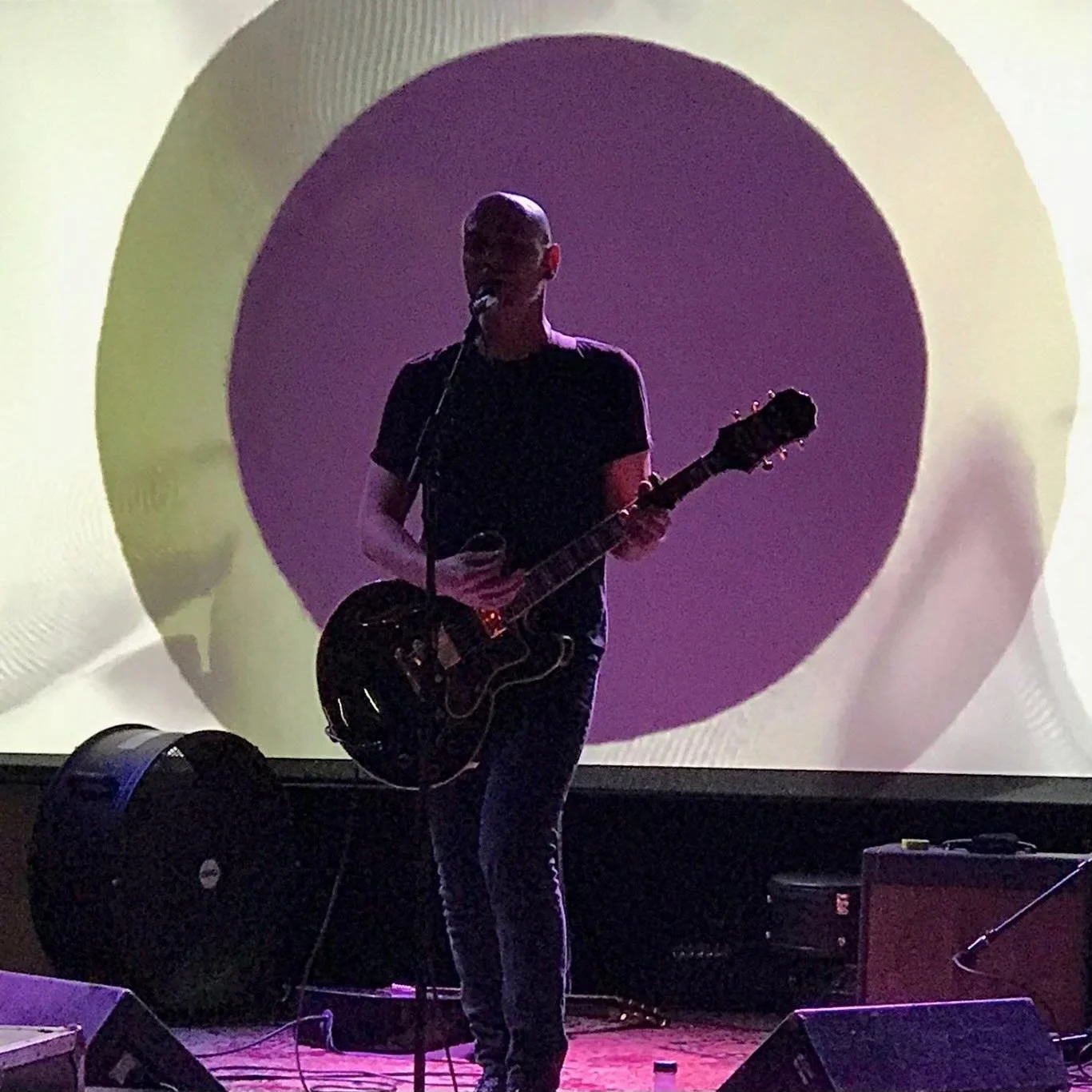
Johnny playing live on stage.
🎤 The Next Chapter: Stand-Up and Sobriety
Most people would’ve stopped there — rock band, big studio, Hollywood credits. But Johnny? He’s still evolving.
A year ago, he stepped into a new arena: stand-up comedy.
Comedy, at its core, isn’t that different from music. It’s timing, tone, rhythm, and truth. It’s honesty with a punchline.
Johnny’s version of comedy doesn’t hide behind characters or bravado — it’s vulnerability in motion. He’s preparing to film his own self-produced comedy special later this year, an achievement that mirrors his entire journey: self-built, self-aware, self-driven. For Johnny, everything else — the music, the comedy, the creativity — all branches out from one root: his sobriety.
It’s the core that anchors every project, every performance, every day. That focus hits like a lyric, because what Johnny found through recovery wasn’t just health — it was purpose.
🧭 Science Over Stigma
Johnny started his sobriety in AA, but after a few years, his perspective evolved. “I left to pursue sobriety based on science and logic,” he says. It’s not a rejection of what helped him early on — it’s an evolution. He’s now dedicated to helping others approach recovery with rationality, compassion, and honesty — no guilt, no judgment, no mysticism. That’s the real thread through all his art — truth without pretense. Music, engineering, comedy — they’re not separate chapters. They’re all part of the same album.
💬 The Heart of a Gen-Xer
If you didn’t know better, you’d think Johnny Ceravolo was a fictional character — a guy who lived three different lives but never lost himself in any of them. But he’s real — and that’s exactly why his story fits right at home on CommonX. He’s the kind of artist Gen-X was built on: humble, resilient, endlessly reinventing. Not chasing fame — just chasing meaning. He’s living proof that it’s never too late to find a new rhythm. That even after decades in the industry, the most powerful sound you can make… is clarity.
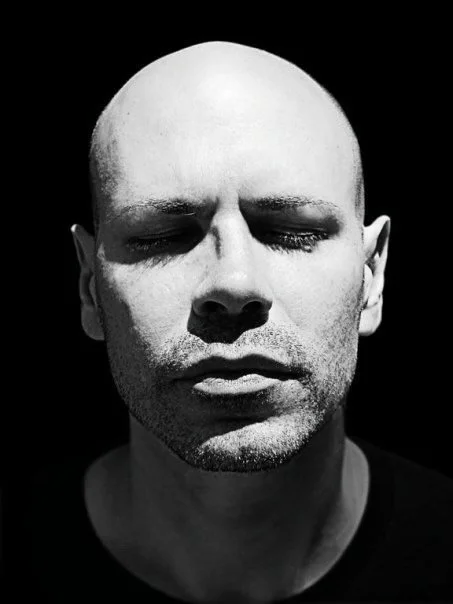
Johnny Ceravolo: From Reverb to Redemption airs soon on CommonX
🧠 Excerpt
From 80s stages to Warner Brothers studios, from recovery to comedy, Jonny Ceravolo has lived every chord of reinvention. CommonX celebrates his story of clarity and creation.
🏷️ Tags
CommonX Podcast • Johnny Ceravolo • Sobriety • Gen X • When In Rome • Ted Lasso • Stand-Up Comedy • Recovery Journey • Music & Culture • Curb Fail Productions • CommonX Originals
📂 Categories
The X-Files
Music & Culture
CommonX Originals
Resilience & Recovery
🎸 From the Music & Culture Cluster
“The Sound of Defiance – How Sub Pop Saved a Generation”
→ Place early in the article, after you mention When In Rome or his touring background.“Like the early Sub Pop bands that built the Seattle sound, Johnny’s story reminds us that the best music isn’t made for fame — it’s made for survival.”
(link to the Sub Pop/Concrete Waves & Power Chords article)

🎸 Top 10 Underrated Grunge Tracks You Forgot You Loved (CommonX Edition)
CommonX digs deep into the Seattle sound — the forgotten grunge tracks that still roar beneath the surface. Crank it, feel it, and remember why it mattered.

Top 10 Underrated Grunge Tracks we forgot we loved. Brought to you by Skull Candy and CommonX.
By CommonX
Before playlists and polished pop, we had distortion, sweat, and heartache echoing from basements and bar stages. Grunge wasn’t a sound — it was a generation finally saying, “We’re not okay, and that’s okay.”
Everyone remembers Nirvana and Pearl Jam, but the underground had deeper veins — songs that hit just as hard and spoke louder in the quiet moments between chaos.
So fire up the SONOS, close your eyes, and fall back into the feedback. Here are the 10 underrated grunge anthems that still deserve to shake your soul.
⚡ 10. Screaming Trees – “Nearly Lost You” (1992)
That voice. That fuzz. That groove. The soundtrack to smoky nights and restless hearts — forever under-appreciated.
🎤 9. Mother Love Bone – “Chloe Dancer/Crown of Thorns” (1990)
Where it all began. Before Pearl Jam, there was MLB — poetic, tragic, and pure Seattle soul.
🔥 8. Mudhoney – “Touch Me I’m Sick” (1988)
The filthy riff that started it all. Raw, snotty, and brilliant — the sound that gave Sub Pop its swagger.
🎧 7. Temple of the Dog – “Say Hello 2 Heaven” (1991)
Chris Cornell’s voice in its purest form — grief turned into grace. A tribute that became a movement.
🌀 6. L7 – “Pretend We’re Dead” (1992)
Feminist fury meets killer hooks. L7 proved you didn’t need to smile to melt faces.
💔 5. Candlebox – “You” (1993)
Melodic, emotional, and criminally underrated. Candlebox gave grunge a pulse that could actually break hearts.
⚙️ 4. The Melvins – “Hooch” (1993)
Heavy, sludgy, hypnotic. The godfathers of doom who inspired Nirvana’s heaviest moments.
🧠 3. Soundgarden – “Room a Thousand Years Wide” (1991)
Buried behind the hits lies one of their best riffs. Cornell and Thayil made darkness sound divine.
🚀 2. Alice in Chains – “Nutshell” (1994)
If you ever doubted grunge had poetry, listen again. Layne’s voice still echoes in every lonely apartment at 2 a.m.
🦇 1. Stone Temple Pilots – “Silvergun Superman” (1994)
Overshadowed by hits like “Plush,” this deep cut is pure STP swagger — bassline grooves, velvet vocals, and a solo that burns slow.
🎧 Honorable Mentions
Nirvana – “Aneurysm” | Pearl Jam – “Release” | Hole – “Malibu” | Bush – “Cold Contagious”
🧠 Excerpt
CommonX digs deep into the Seattle sound — the forgotten grunge tracks that still roar beneath the surface. Crank it, feel it, and remember why it mattered.
written by Ian Primmer

Funniest Movies of All Time (The Gen-X Edition)
From Ghostbusters to Step Brothers, CommonX salutes the films that made sarcasm sacred and stupidity sublime. Comedy before filters — pure, loud, and unforgettable.

🎬 Funniest Movies of All Time (The Gen-X Edition)
By CommonX
Before streaming queues and skip buttons, there was Blockbuster roulette — that sacred moment when you grabbed a VHS because the cover looked stupid enough to be hilarious. Comedy was raw, quotable, and borderline dangerous.
We didn’t need perfect lighting or woke punchlines — we had Chevy Chase falling down stairs, Bill Murray breaking the fourth wall, and Jim Carrey talking out of his butt.
So grab the popcorn, dust off your VCR, and let’s roll through the comedies that built our sense of humor, broke all the rules, and made us the sarcastic legends we are today.
😂 10. Ace Ventura: Pet Detective (1994)
Jim Carrey unleashed pure chaos in Hawaiian shirts and made talking to animals cool. Proof that rubber-faced energy could carry an entire decade.
🎯 9. Caddyshack (1980)
Rodney Dangerfield, Bill Murray, and a gopher puppet — comedy perfection. It taught us the two rules of golf: swing hard and don’t give a damn.
🧻 8. Dumb and Dumber (1994)
A masterclass in idiocy. Lloyd and Harry made stupidity into an art form. That “most annoying sound in the world”? Still undefeated.
🧀 7. Wayne’s World (1992)
Cable-access kings, air guitars, and catchphrases for days. Party on, Garth. Party on, Wayne.
🤦 6. Groundhog Day (1993)
Bill Murray vs. time itself. Somehow philosophical and funny enough to quote daily — literally.
🧑💼 5. Office Space (1999)
TPS reports, cubicle hell, and printer revenge fantasies. The film that made every desk-job survivor nod in solidarity.
🕶️ 4. The Big Lebowski (1998)
The Dude abides, man. Coen Brothers brilliance wrapped in bowling balls, White Russians, and existential absurdity.
🧔 3. Planes, Trains and Automobiles (1987)
Steve Martin and John Candy. Heart + hilarity + travel hell. Thanksgiving never looked so good.
🧠 2. Ghostbusters (1984)
Comedy, sci-fi, and sarcasm blended perfectly. Murray, Aykroyd, and Ramis made bustin’ look fun and profitable.
🏆 1. Step Brothers (2008)
Technically not Gen-X-era, but spiritually? 100%.
Ferrell and Reilly captured the man-child energy that every Gen-X dad secretly relates to. “Did we just become best friends?” — yes, yes we did.
🍿 Honorable Mentions
There’s Something About Mary, Tommy Boy, Anchorman, Clerks, Friday, Napoleon Dynamite.

Top 10 Shredders of All Time (CommonX Edition)By CommonX
From Van Halen to Vai, CommonX salutes the ten who turned noise into art and rebellion into rhythm. Crank it up — feedback is freedom.
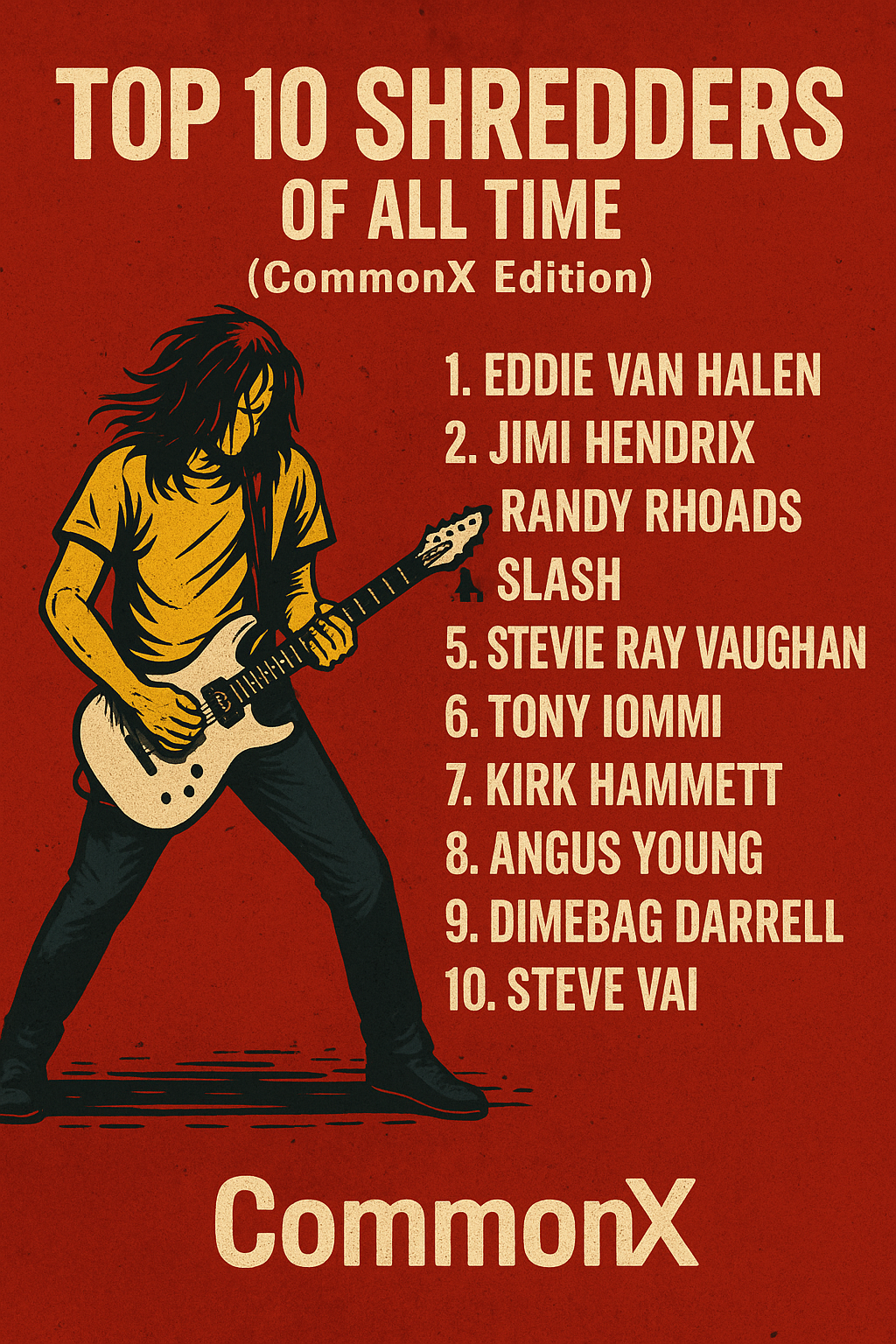
🎸 Top 10 Shredders of All Time (CommonX Edition)
By CommonX
Before playlists and plug-ins, there were six strings, blood on the frets, and neighbors pounding on the wall. For Gen X, guitar heroes were gods — and distortion was scripture. So grab your SONOS, crank it until the drywall shakes, and salute the riff kings who taught us that feedback is freedom.

Sonos Logo partnered with CommonX
⚡ 1. Eddie Van Halen – The Architect of Awe
Two-hand tapping, harmonic squeals, and tone so warm it could melt steel. “Eruption” changed everything; every kid with a guitar chased that lightning ever since.
🎸 2. Jimi Hendrix – The Cosmic Trailblazer
He made the Stratocaster cry, laugh, and set the sky on fire. “Voodoo Child” wasn’t a song — it was a ritual.
⚡ 3. Randy Rhoads – The Classical Firestorm
Ozzy’s prodigy fused classical precision with metal fury. Every solo was a master class in melody and madness.
🎩 4. Slash – The Soul in the Smoke
Top hat, Les Paul, cigarette — instant icon. His tone drips blues and attitude; “Sweet Child O’ Mine” is eternal youth in riff form.
🎵 5. Stevie Ray Vaughan – The Texas Hurricane
Pure feel. No tricks, no filters — just emotion pouring through Fender strings. When SRV bent a note, you felt it in your bones.
⚙️ 6. Tony Iommi – The Godfather of Heavy
Fingertip injury? No problem. He invented heavy metal instead. Sabbath’s riffs are the bedrock of every down-tuned dream that followed.
⚡ 7. Kirk Hammett – The Metal Surgeon
Precision meets chaos. The wah-wah wizard of Metallica built solos that slice through stadium air like jet engines.
⚡ 8. Angus Young – The Eternal Rebel
School uniform, duck-walk, Gibson SG — pure electricity. “Back in Black” and “Highway to Hell” still sound like rebellion bottled.
🔥 9. Dimebag Darrell – The Southern Thunderstorm
Groove, grit, and guts. His Pantera riffs came with tire smoke and whiskey breath — heavy metal with a grin.
🚀 10. Steve Vai – The Alien Virtuoso
Flawless technique and fearless imagination. Vai turned shred into symphony — proof that technical mastery can still have soul.
🎧 Honorable Mentions
Joe Satriani, Nuno Bettencourt, Prince, Nancy Wilson, and Joan Jett — the undercurrent that keeps the six-string alive.

Energy for the Reboot: What Gen-X Runs On Now
The Gen-X grind never stopped — it just got smarter. From late-night edits to early-morning hustle, Bulletproof Coffee and KIND Bars have become the unofficial fuel of the CommonX crew. Clean energy, real flavor, no crash — just the stuff that keeps our generation running strong.
Remember when breakfast was a cigarette and a cup of gas-station coffee before work? Yeah… same.
But these days the reboot hits different. Gen-X is still grinding, just smarter about what we fuel up with. Between the podcast, work, and keeping our heads clear, we found the stuff that actually keeps the motor running — KIND Bars and Bulletproof Coffee.
Affiliate note: these are our go-tos — because they work. Every click helps keep CommonX ad-free.
The Gen-X Grind Isn’t Slowing Down
We came from the 90s — raised on convenience-store caffeine and music that never apologized. Now we’re parents, builders, and creators trying to balance everything without burning out.
Bulletproof’s MCT-infused brew hits that clean energy line — no crash, no jitters, just focus. Pair that with a KIND Bar in the glove box or your gym bag and you’ve got breakfast that fits between chaos and deadlines.
Real Fuel for Real People
Forget the “influencer” smoothies. Gen-X doesn’t need fancy — we need functional.
KIND = simple ingredients, real protein, actually tastes like food.
Bulletproof = clean fat + caffeine = mental clarity that outlasts a meeting.
Throw one in your backpack, grab one before recording, or stash a box in the shop next to the socket set.
The CommonX Connection
We talk a lot about energy — creative, emotional, physical.
Staying clear and sharp is part of why this show even exists.
This isn’t an ad, it’s survival gear for Gen-X dreamers who refuse to quit.
So next time you’re firing up the mic, heading into the shop, or chasing kids to soccer practice, skip the crash.
Fuel up, dial in, and keep that CommonX engine running clean.