

🕯️ Ozzy Osbourne: The Sound That Never Dies
Ozzy Osbourne wasn’t just the Prince of Darkness — he was the light that kept rock alive for more than five decades. From Black Sabbath’s heavy beginnings to a solo career filled with chaos, brilliance, and heart, Ozzy lived louder than anyone and loved deeper than most. His music didn’t just shape metal; it gave generations permission to be unapologetically themselves.

“You can’t kill rock and roll — it’s alive in every note he left behind.”
There are rock stars — and then there’s Ozzy Osbourne. The man who single-handedly helped shape heavy metal, terrified parents, inspired millions, and somehow made the entire world fall in love with his madness.
Born in Birmingham, England in 1948, John Michael “Ozzy” Osbourne came from working-class grit. Before he was the “Prince of Darkness,” he was just a kid with dyslexia, odd jobs, and a voice that didn’t quite fit anywhere — until it changed music forever.
🎸 The Birth of Heavy Metal
When Ozzy joined forces with Tony Iommi, Geezer Butler, and Bill Ward, the result was Black Sabbath — the band that invented a genre. Their 1970 self-titled debut was raw, dark, and loud — a thunderclap that split rock in two. Albums like Paranoid and Master of Reality didn’t just define metal; they built it from the ground up.
Songs like Iron Man, War Pigs, and Paranoid weren’t just riffs — they were rebellion set to distortion. Ozzy’s haunting voice and unfiltered energy turned fear into freedom.
⚡ The Solo Resurrection
After his firing from Sabbath, most thought Ozzy’s story was over. Instead, it was just beginning. Teaming up with guitar prodigy Randy Rhoads, he unleashed Blizzard of Ozz (1980) and Diary of a Madman — records that became instant classics. Crazy Train and Mr. Crowley remain two of the most recognizable rock anthems in history.
Even after tragedy struck with Rhoads’ death, Ozzy kept pushing. With players like Jake E. Lee, Zakk Wylde, and Geezer Butler returning to his orbit, his solo career became a masterclass in endurance. Albums like No Rest for the Wicked, No More Tears, and Ozzmosis proved he could outlast every critic and every demon.
🧠 The Myth and the Man
Then came the moments that blurred the line between legend and lunacy — the infamous bat-biting incident, the MTV reality show The Osbournes, and decades of being both rock’s wildest figure and its most unlikely symbol of love and humor.
But through it all, Ozzy never stopped being real. Beneath the spectacle was a man who wore his struggles with addiction, depression, and fame openly. He survived what most couldn’t — and somehow still showed up on stage, microphone in hand, giving everything he had left.
🕊️ The Final Notes
His 2022 album Patient Number 9 became a haunting farewell — reflective, experimental, and packed with collaborations from icons like Eric Clapton, Tony Iommi, and Jeff Beck. It wasn’t just a goodbye; it was a celebration of a life that changed the sound of the world.
When Ozzy Osbourne passed away in 2025, the shock reverberated through generations. But for those of us who grew up with his voice echoing through our walls, it wasn’t an ending — it was immortality being confirmed.
🖤 From the CommonX Host’s Desk — Ian Primmer
Ozzy’s music raised us. His madness made us laugh, his honesty made us feel seen, and his riffs — they taught us to feel alive.
He was chaos and compassion in equal measure, a man who gave the misfits, metalheads, and midnight souls a home. In every gym, garage, and garage band that ever plugged in a guitar — Ozzy’s DNA is there.
Rest easy, legend. You didn’t just scream into the void — you made the void sing back.

🎸 “What Else Could I Write? I Don’t Have the Right.” — Kurt Cobain and the Echo of a Generation
Kurt Cobain didn’t just write songs — he wrote the ache of a generation that refused to be polished. In his tattered sweaters, chipped nails, and truth-soaked lyrics, he showed Gen-X what honesty really looked like. Decades later, his ghost still hums in every garage, every heartbreak, every artist daring to stay real.

“The sound of truth never dies. It just finds new chords.”
Written by Ian Primmer
In the quiet between the noise, Kurt Cobain’s words still linger like cigarette smoke in the back of every Gen-X memory. “What else could I write? I don’t have the right.” It wasn’t just a lyric — it was a confession. A poet caught between fame and fracture, saying the quiet part out loud before anyone else dared to.
Born from the grunge-soaked heart of Aberdeen, Washington, Cobain didn’t just write songs — he wrote truths that still punch decades later. Nirvana’s sound wasn’t built to be clean; it was built to be honest. That rawness, that resistance to polish, was the pulse of a generation that refused to be marketed, molded, or muted.
At CommonX, we talk a lot about what it means to grow up Gen-X — a mix of latchkey rebellion, mixtapes, and that sense of being unseen in the crowd. Cobain was that spirit, distilled into one human being. He didn’t just play music; he made us feel like we weren’t alone in our contradictions.
Even now, when you strip away the nostalgia and the myth, there’s something timeless about how Kurt saw the world — broken yet beautiful, cynical but sincere. In a time when social media celebrates the surface, his vulnerability feels even more radical.
Maybe that’s why Gen-X still finds itself humming his lyrics while scrolling headlines that feel more corporate than cultural. Cobain once said, “I’d rather be hated for who I am, than loved for who I am not.” That line could be tattooed across the entire CommonX ethos — and maybe across our hearts, too.
Because at the end of the day, being Gen-X isn’t about what we owned or streamed or posted. It’s about what we felt. And few ever made us feel quite like Kurt did.
From the CommonX Host’s Desk – Ian Primmer
Every time I listen to Kurt, I’m reminded why we started CommonX in the first place — to give a voice to the generation that never really asked for one, but damn well earned it. I think about those lines: “What else could I write? I don’t have the right.”
That hits harder as a creator, a dad, and a Gen-X’er trying to build something real. Whether it’s in the gym before sunrise or behind the mic with Jared, I try to bring that same raw honesty to what we do. We’re not chasing perfection; we’re chasing truth — just like Kurt did.
So here’s to every listener, artist, and misfit who still believes that being real means something. You’re our people.

🦷 Best Bands to Listen to in the Dentist’s Chair (Shoutout to Kristen @ Smile Source North 🤘)
For years I dreaded the dentist — until today. Thanks to Kristen at Smile Source North and a killer Gen X playlist, I actually found myself relaxing in the chair. From Nirvana to Men Without Hats, here’s the ultimate CommonX soundtrack to survive your next cleaning.

by Ian Primmer — CommonX Podcast
Let’s be honest — most of us would rather be anywhere else than reclined under a bright light while someone scrapes away at our molars. But sometimes, the right music and the right person behind the mask can change everything.
This morning I found myself back in the dental chair, mouth numb, AirPods in, bracing for the worst. But my hygienist Kristen changed the game. She was calm, patient, and so gentle I barely realized the cleaning had started. For once, I wasn’t white-knuckling the armrests. I was vibing.
🎧 The CommonX Chair Playlist
If you’re lucky enough to have a hygienist who lets you plug in, here’s the ultimate Gen X-approved soundtrack for your next appointment — equal parts chill, nostalgic, and dentist-chair zen:
Nirvana – “All Apologies”
A soft-grunge lullaby for your nerves. Kurt’s voice somehow makes even the sound of scraping feel poetic.The Smashing Pumpkins – “1979”
A hypnotic hum that turns the whir of the polisher into background ambience.The Cranberries – “Dreams”
The gentle rhythm and Dolores O’Riordan’s vocals make the chair feel like a daydream.Foo Fighters – “Learn to Fly”
Because even in a dentist’s chair, there’s a strange freedom in just letting go and floating through the moment.Men Without Hats – “I Love the ’80s”
The perfect closer — CommonX had the world debut of this track, and it’s impossible not to smile while it plays.
😁 Shout-Out
Huge thanks to Kristen and the crew at Smile Source North for restoring my faith in dentistry. I walked out feeling cleaner, lighter, and weirdly… happy? Never thought I’d say that. Additionally, April is also amazing she was just out today.. just sayin 😎🤘
Turns out, sometimes it’s not about avoiding the dentist — it’s about finding the right playlist and the right person behind the mask.

Ivan Doroschuk: From Pogo to Pop Culture — The Legacy of Men Without Hats
Ivan Doroschuk of Men Without Hats joins CommonX to discuss the origins of “The Safety Dance,” pogo dancing, the debut of “I Love the ’80s,” and his favorite pop-culture moment watching the video on Beavis and Butthead — a humble legend still dancing to his own beat.
By CommonX Staff | The X-Files | CommonXPodcast.com
When you’ve fronted one of the most recognizable anthems of the 1980s, it would be easy to live inside the nostalgia.
But Ivan Doroschuk, lead singer and songwriter of Men Without Hats, isn’t interested in rewinding — he’s interested in remembering why it mattered in the first place.
We’ve been lucky enough to interview Ivan twice on the CommonX Podcast, and every time he joins us, the conversation feels less like an interview and more like catching up with an old friend who helped soundtrack an entire generation.
The Birth of “The Safety Dance”
Ivan explained that pogo dancing — that early punk-era, vertical bounce of pure energy — was often misunderstood by bouncers as aggressive behavior, a misunderstanding that sparked the idea for The Safety Dance.
What started as a reaction against rules became a declaration of individuality, and in the process, one of the most iconic singles of the MTV generation.
📺 Beavis and Butthead and the Art of Humility
One of Ivan’s favorite pop-culture callbacks came years later when he saw The Safety Dance video on Beavis and Butthead.
He laughed remembering their commentary:
“Who does this guy think he is? Michael Jackson? He keeps saying he can dance but he can’t dance.”
Ivan said he thought that was great — and that moment captures exactly who he is: grounded, self-aware, and always in on the joke.
For a man who helped define MTV’s first decade, he’s refreshingly un-Hollywood.
Legacy in Motion
Men Without Hats still play to packed crowds around the world, and Ivan continues to write and record music that bridges eras.
His latest work blends nostalgia with the boldness that made the band legendary — proof that timeless ideas never really age, they just evolve.
For CommonX, talking with Ivan reminds us why we started this journey: to capture stories that shaped our culture from the people who lived them.
The Safety Dance may have started as a reaction to being misunderstood, but four decades later, it stands as a celebration of individuality — and Ivan Doroschuk is still leading the crowd.
⸻
🎧 Watch or Listen
🎥 Ivan Doroschuk of Men Without Hats on CommonX Podcast
💿 “I Love the ’80s” — A CommonX Exclusive
In one of the most exciting moments in CommonX history, Men Without Hats’ single “I Love the ’80s” was debuted on-air for the first time ever right here on our show — introduced by the band’s manager, Cory White.
That premiere wasn’t just another interview segment; it was a milestone that marked CommonX as a trusted platform where legacy artists still choose to share their newest creations first.
Hearing that track for the first time — raw, nostalgic, and full of energy — was like watching history loop back around in real time.
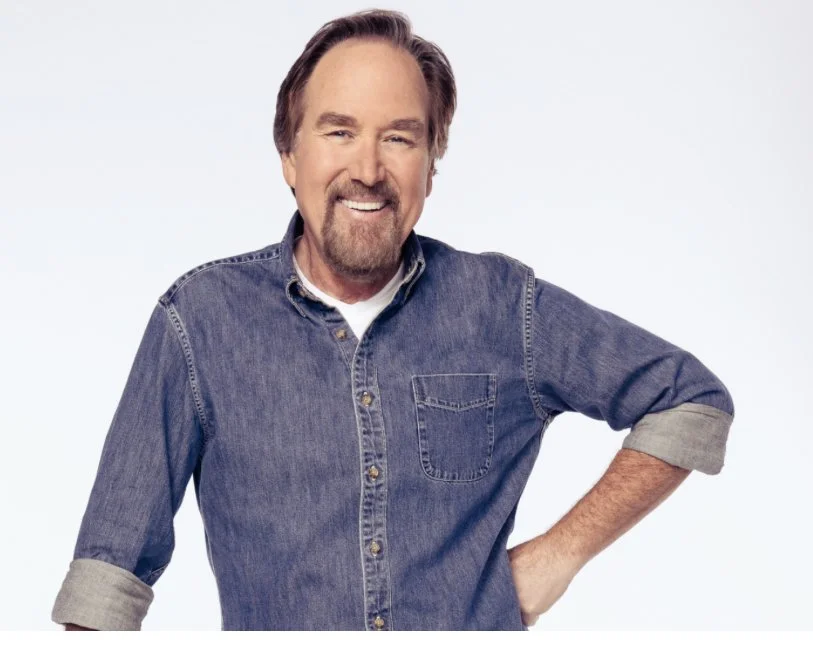
Richard Karn: Tool Time to Timeless — Our Sit-Down on CommonX
CommonX sits down with Richard Karn from Home Improvement in a rare, reflective interview about life, fame, and staying grounded. “It’s not about celebrity — it’s about connection.”
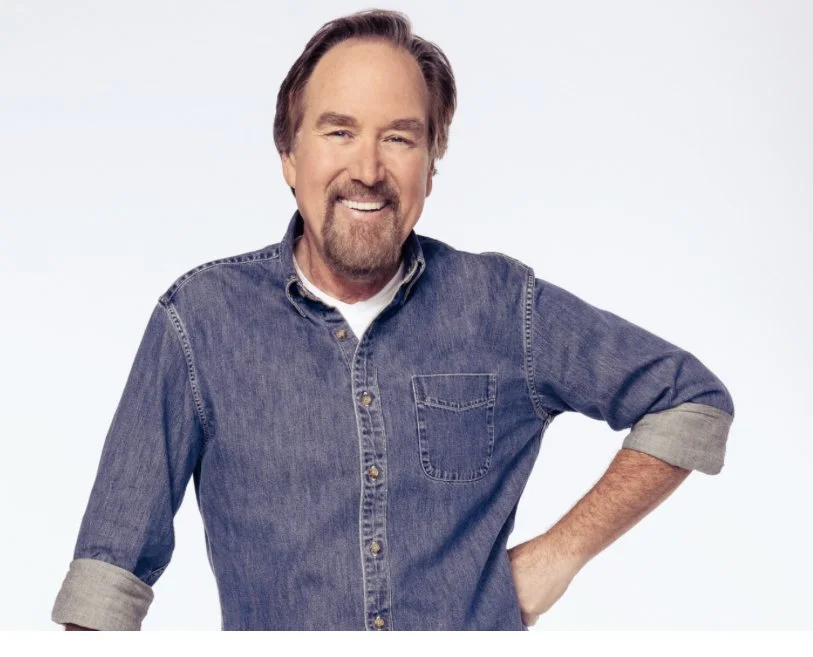
By CommonX Staff | The X-Files | CommonXPodcast.com
There are moments in life when you realize your little show from a small town has become something much bigger. For us at CommonX, that moment was sitting across from Richard Karn — actor, producer, and the face of Home Improvement’s everyman wisdom — for a conversation that felt like catching up with an old friend.
Richard didn’t show up as a Hollywood icon; he showed up as one of us. He talked about life after Tool Time, the evolution of entertainment, and the quiet pride of still being recognized for doing something genuine.
We didn’t need a script — just two mics, some laughter, and a shared understanding that real conversations never go out of style. What surprised us most was how naturally he fit the CommonX vibe.
Karn spoke about growing up in the Pacific Northwest, working hard, staying grounded, and refusing to let fame change who he was. When he reflected on his years alongside Tim Allen, it wasn’t nostalgia — it was perspective.
“You know,” he said, “people remember the laughs, but what mattered was the connection. That’s what lasts.”
It was one of those episodes that reminded us why we started CommonX in the first place: to bridge generations, celebrate authenticity, and give our audience the kind of substance that algorithms can’t fake.
Sitting with Richard Karn didn’t just elevate our show — it validated it.
🎧 Watch or Listen
🎥 Richard Karn on the CommonX Podcast
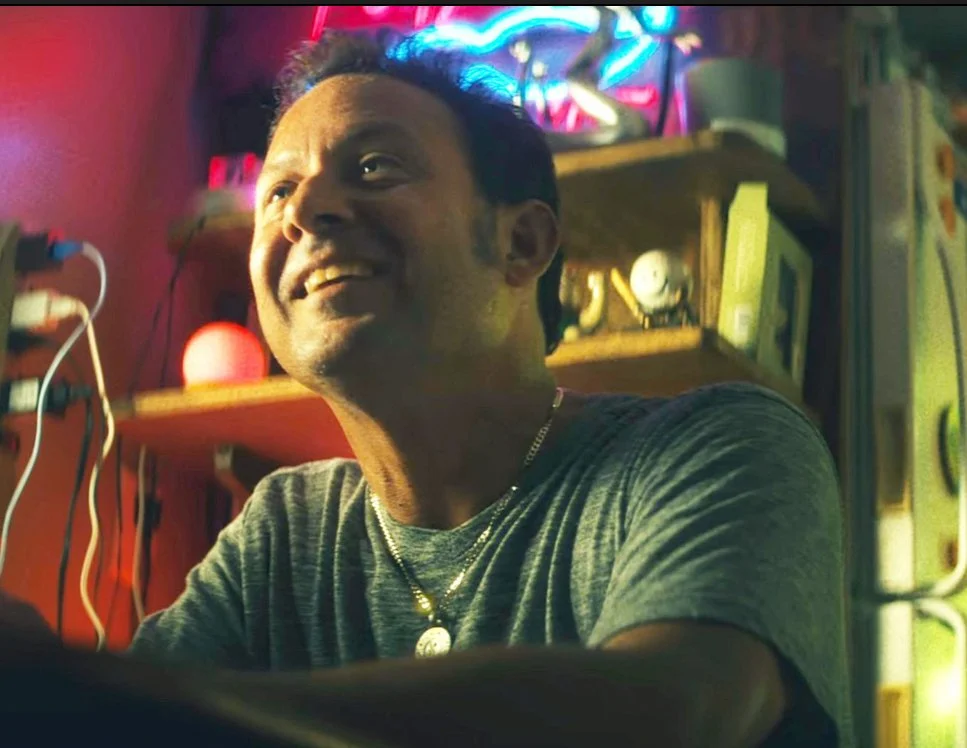
🎬 “KC from Kings of Tupelo: The Untold Story Behind the Documentary”
Our four-hour interview with KC from Kings of Tupelo became the most-watched CommonX episode ever. KC opens up about life, truth, and what the Kings of Tupelo documentary didn’t show.
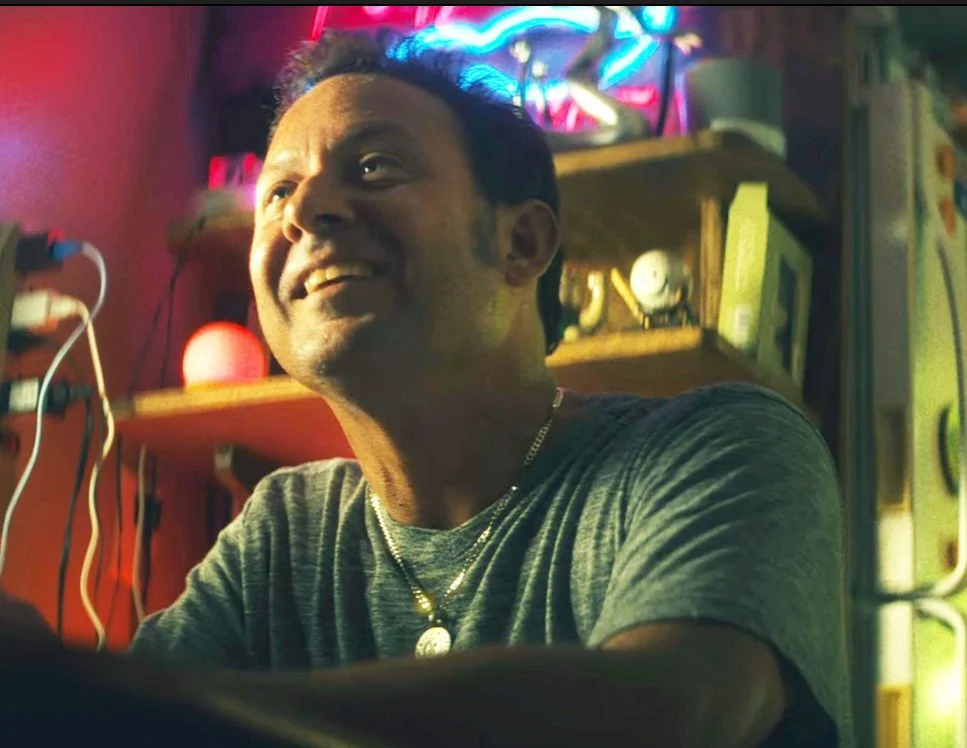
By CommonX Staff | The X-Files | CommonXPodcast.com
Every once in a while, an interview comes along that doesn’t just fill time — it stops time. That’s what happened when CommonX sat down with KC from Kings of Tupelo, the man behind one of the most talked-about underground documentaries in modern music storytelling.
Our conversation with KC lasted nearly four hours — and it became our most-watched CommonX episode to date. We went in expecting a glimpse behind the curtain of the Kings of Tupelo film, but what we found was something deeper: a man unafraid to tell the truth about what it costs to stay authentic in a world built on artifice.
KC spoke with the same conviction and raw tone that made his performance in the Kings of Tupelo documentary unforgettable. Every word felt like it was coming straight from the soul of someone who has lived it, lost it, and found a way to put it back into song.
What struck us most was how much of his story never made it to film — the behind-the-scenes grit, the quiet moments of reflection, and the human cost of chasing something pure in a world that too often rewards the opposite. Off camera, KC was everything you’d hope for in a real artist: honest, humble, and unfiltered.
Sitting with him wasn’t just another interview — it was a reminder of why we do what we do. CommonX was built for conversations like this — raw, reflective, and rooted in real experience. And for us, that four-hour marathon felt more like a privilege than a production.
🎥 KC — Kings of Tupelo | CommonX Podcast (Full Interview)

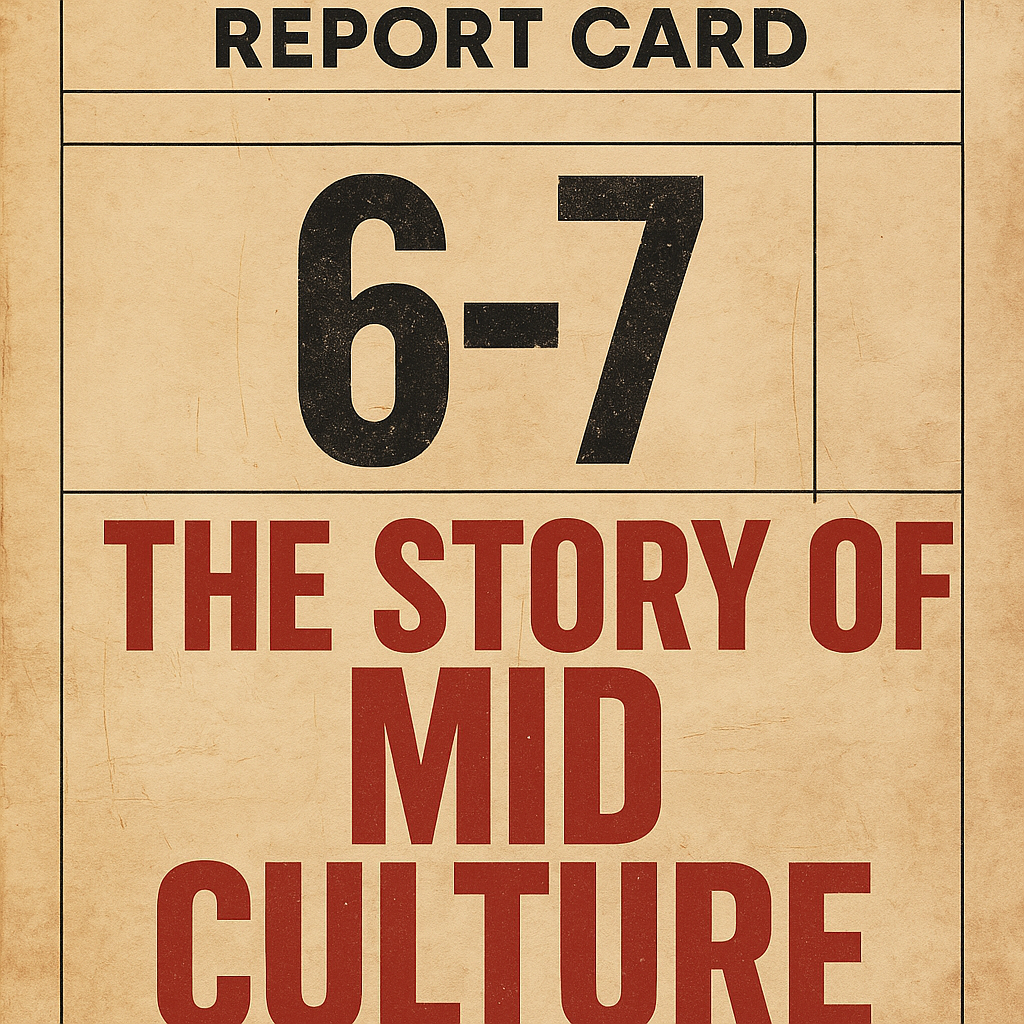
That’s So Mid, Bruh: The Story Behind 6-7
Somewhere along the line, being a 10 stopped mattering — and everyone settled into a safe 6 or 7. “Mid” became the anthem of mediocrity, and we all started pretending we were fine with it. But not here. Not in the land of CommonX. This is where we push back against average and bring authenticity back to the front lines.
By CommonX Staff | The X-Files | Deer Park, WA
There was a time when average wasn’t cool. When “good enough” was never enough. When people stayed up all night with a soldering iron, a four-track recorder, and a bad attitude just to prove they could do something better.
Then somewhere along the way, we landed in what could only be called the 6-7 era — the time when “mid” became not only an adjective but a lifestyle.
How “Mid” Took Over
“Mid” didn’t start as a compliment. It was born in comment sections and memes, weaponized by Gen Z to describe anything that didn’t totally suck… but didn’t hit either.
“It’s mid.”
Translation: It exists. I noticed. Moving on.
Music, movies, relationships, and even food get hit with the “mid” tag daily. It’s the universal shrug of modern life — a word that captures our collective indifference, the vibe of a generation raised on algorithms telling them what to like before they even press play.
But here’s the twist: “mid” isn’t new. It’s just the rebrand of mediocrity — and CommonX is calling it out.
The Rise of the 6-7
Once upon a time, people rated stuff 1 through 10. Five meant “meh.” Six or seven meant “pretty good.” But then the whole system collapsed into safe zones — nobody wants to offend, nobody wants to stand out, so everything’s just… six or seven.
That restaurant? “A solid seven.”
That Netflix show? “It’s a six, maybe seven.”
Your coworker’s band? “Six-ish, bro.”
We’ve become a world allergic to extremes — to being a one (failure) or a ten (try-hard). Everyone’s stuck in the middle, sipping $8 lattes, posting mid takes, living mid lives.
Gen X Never Did Mid
That’s where Gen X rolls up in a beat-up Civic with the stereo cracked and says: Nah, we’re not doing that.
Gen X grew up in the analog trenches. We didn’t have participation trophies; we had rejection letters. We didn’t download; we dubbed. We didn’t go viral; we earned our scars.
And now, as the world slides into the comfort of 6-7, the CommonX Podcast is here as a rallying cry for the ones who still chase the 10 — not because it’s easy, but because doing it halfway never satisfied the soul.
From Ivan Doroschuk talking legacy to Steve Mayzak breaking down AI consciousness, to Sid Griffin keeping Americana alive — CommonX refuses to be mid. It’s the antidote to the algorithm. The unfiltered, long-form, real talk antidote to a world of scrollable sameness.
The CommonX Ethos
Every episode, every blog, every quote we drop — it’s built on one simple creed: Don’t be mid. Be memorable.
Whether you’re writing songs, building companies, or raising kids, being a 10 isn’t about perfection — it’s about giving a damn. It’s about heart, risk, authenticity. The kind of stuff you can’t fake with filters or hashtags.
We don’t settle for 6-7 around here. That’s where comfort lives — and comfort kills creativity.
So yeah, call us old-school, call us analog dreamers, call us stubborn. But when history looks back, it won’t remember the “mid.”
It’ll remember the misfits, the makers, and the mic-droppers who gave everything they had.
Welcome to CommonX — where 6-7 gets left on read.

Why the CommonX Podcast Is the Best Show in the Pacific Northwest
From the backroads of Deer Park to the digital airwaves of the world, the CommonX Podcast is redefining what authentic, independent media sounds like in the Pacific Northwest. Blending grit, music, and raw conversation, it’s more than a podcast — it’s a movement built by two Gen X voices who never stopped asking why.

A Podcast Born in the Heart of the Inland Northwest
When co-hosts Ian Primmer and Jared Mayzak launched CommonX out of a small shop studio in Deer Park, WA, they weren’t chasing fame — they were chasing truth.
What began as late-night conversations about music, media, and the human condition has evolved into one of the most talked-about independent shows in the region.
Their guest list reads like a cross-section of culture itself — from rock legends like Ivan Doroschuk (Men Without Hats) and Rudy Sarzo (Quiet Riot) to authors, veterans, political voices, and everyday people with extraordinary stories.
The Sound of the PNW — Unfiltered
The Pacific Northwest has always been home to the rebels, thinkers, and dreamers who prefer campfires over spotlights. CommonX taps straight into that energy — raw, honest, and unapologetically Gen X.
Listeners across Washington, Oregon, Idaho, and beyond tune in because the show speaks a language corporate podcasts forgot: authenticity. Whether it’s exploring faith, freedom, music, or modern censorship, CommonX keeps it real — no scripts, no spin, just conversation.
From TikTok to the Turntables
Before CommonX exploded, host Ian Primmer found viral success as GENXDAD on TikTok — proof that Gen X still knows how to command the internet. That following became the foundation for a regional powerhouse: the CommonX brand now spans TikTok, YouTube, Spotify, and a fast-growing web platform at commonxpodcast.com.
The show’s reach has extended from Spokane to Seattle, Portland, and Vancouver B.C., proving that the Pacific Northwest still knows how to make noise that matters.
What Makes CommonX the Best in the PNW
🎙️ Authenticity Over Agenda – Real talk without the political polish.
Rooted in Gen X Grit – A generation that built bridges between analog and digital.
Culture Meets Conversation – Every episode blends music, memory, and modern reality.
Independent to the Core – Produced by two lifelong Washington creators, not a network.
It’s not corporate, it’s not curated — it’s CommonX. And that’s exactly why it’s resonating from the Cascades to the Columbia.
Looking Ahead
With Season 2 already in production and high-profile guests lining up, CommonX is poised to bring the voice of the Pacific Northwest to a global audience. Whether listeners are lifelong locals or digital nomads, the message is the same: real conversation still lives here.
As the Pacific Northwest continues to grow, CommonX stands as its raw, unfiltered pulse — the podcast built for those who still believe authenticity matters.

Did the Internet Eat Reality?
Reality used to mean something you could touch, see, and feel. Now it’s filtered, edited, and uploaded before it ever really happens. Somewhere between selfies, algorithms, and AI headlines, the internet didn’t just change reality — it consumed it.
Reality used to mean something you could touch, see, and feel. Now it’s filtered, edited, and uploaded before it ever really happens. Somewhere between selfies, algorithms, and AI headlines, the internet didn’t just change reality — it consumed it.
The Moment It Happened
It wasn’t a single day or a viral post. Reality didn’t collapse in one click — it bled out slowly. We traded photo albums for Instagram grids, local hangouts for Discord servers, and conversation for comments. Now we scroll through the world instead of living in it.
Gen X might be the last generation to remember what life before the upload felt like — when a moment stayed a memory instead of content.
⸻
The New Religion of Algorithms
We used to ask teachers, mentors, and parents for wisdom. Now, we ask Google, YouTube, and TikTok. The algorithm doesn’t care about truth — it only cares about what keeps you scrolling. It feeds the dopamine loop, not your brain.
We’ve reached the point where the algorithm isn’t showing us reality — it’s writing it.
⸻
The AI Era: Simulation Becomes Default
Artificial intelligence writes the news, draws the art, sings the songs, and finishes our sentences. The lines between creator and code are gone. Deepfakes can make anyone say anything.
If you can’t tell what’s real anymore… maybe that’s the new definition of real.
⸻
The Gen X Perspective
Gen X was raised analog and forced to adapt digital. We built the bridge — now we’re watching it burn. We remember when eye contact meant truth and “offline” wasn’t an insult. That’s why CommonX exists — to bring real back to the table.
Because while the world argues over what’s real, Gen X knows one thing for sure: reality doesn’t need a Wi-Fi signal.
⸻
Final Thought
Maybe the internet didn’t just eat reality — maybe it ate our attention, our patience, and our sense of time. But as long as there’s one person still asking why, the story’s not over.

🎙️ The Algorithm, The Sprinklers, and a World That Still Needs Laughs
From viral sprinklers to satellite radio dreams, Ian Primmer shares how a laugh on Tin Foil Hat became a reminder that even in a world full of algorithms and outrage, connection still matters.

By Ian Primmer | CommonX Podcast
🎙️ The Algorithm, The Sprinklers, and a World That Still Needs Laughs
It’s funny how the internet decides what’s worth remembering.
The first time I went viral wasn’t for a deep conversation, a song, or a bold take — it was for accidentally turning the sprinklers on while my wife was mowing the lawn.
Sam Tripoli said it best on Tin Foil Hat: “Thanks for sacrificing your marriage for everyone’s entertainment.”
That line hit because it was more than a joke. It summed up how the algorithm works. It rewards chaos, cringe, and anything that makes people stop scrolling for two seconds. Somewhere in that madness, I realized that every viral moment — no matter how ridiculous — is a chance to reach people who might need a reason to smile, think, or connect again.
When Sam asked why I’d ever want to be on satellite radio, my answer was simple: to reach more people and bring them together in a world full of hate. I wasn’t talking about selling out — I was talking about scaling up. If a sprinkler fail can break through the noise, imagine what genuine conversation could do.
The algorithm might have created the modern circus, but it’s also given us a microphone. CommonX exists because there’s still a crowd out there looking for something real — laughter, perspective, and a reminder that humanity still works when we choose to show up.
View the full discussion on TinFoil Hat Podcast here here 👇
https://spotify.link/n7Ufc4GpXXb
Read more X-Files articles by CommonX: https://www.commonxpodcast.com/thex-files

The Providers and Protectors: Why the Real Heroes Aren’t in Office — They’re Among Us
While the headlines scream and the politicians perform, the real heroes keep showing up — the ones who build, heal, teach, and protect without applause. The Providers and Protectors is a CommonX look at the people holding America together while the elite play pretend.

The aisles were empty. No crowds, no noise, just quiet shelves where struggle used to have company. That’s when it hit me — the real story in America isn’t about who’s shouting loudest in D.C., it’s about who’s still showing up for each other in the silence.
We’ve spent decades watching politics sell performance art while regular people carry the weight of survival. The rich get richer, the talking heads get louder, and the rest of us — the providers, the protectors, the ones who actually build and keep this place running — get written out of the script.
The Distraction Economy
Scroll long enough and you’ll see it: politics turned into a 24-hour circus. Outrage sells better than truth. Drama clicks faster than compassion. And somewhere between the ads and algorithms, we stopped asking who’s really taking care of us?
The answer isn’t on a stage or in a headline. It’s the nurse on a double shift. The dad who fixes a stranger’s car. The woman holding down two jobs to keep her family steady. These people don’t trend. They don’t go viral. But they’re the backbone of a country that’s been too busy arguing to notice them.
The Collapse of Pretend Leadership
Every generation hits a point where the mask falls off. For Gen X, it’s right now. We grew up without filters, without the comfort of participation trophies or curated feeds. We were told to deal with it — and somehow, that made us stronger.
Now, while the political world stages its next act, Gen Xers and the generations following are starting to build outside the system. They’re turning podcasts, indie media, local movements, and community projects into new power bases. The microphone became the megaphone, and authenticity became currency.
The Rise of the Real Ones
The people who never quit — they’re the ones redefining influence. The firefighters, the veterans, the teachers, the artists, the single parents, the blue-collar dreamers. They don’t need a platform to matter. They already do.
What they need is amplification — and that’s where media like CommonX steps in. We’re not chasing clicks; we’re chasing connection. The next revolution won’t come from a press conference — it’ll come from the garage, the studio, the podcast mic, the gym, the backyards where people are still talking about change like it’s possible.
So here’s to the guy at the gym who said, “Don’t quit on the 5,000th step.”
He’s right — this is the climb. This is the moment before everything breaks open. Because while the world waits for another political savior, we already have the people who save it every day.
We’re not just telling stories — we’re documenting the uprising of the ordinary. — Ian Primmer CommonX
🎙️ CommonX. The New Rolling Stone. The Voice of the Working Class Dreamer.

Disconnected: Why a Generation Is Rewriting Sex, Love, and the Rules of Commitment
Modern love is changing fast. As dating apps, digital income, and social independence reshape what connection means, a generation is redefining sex, commitment, and the rules of intimacy. Disconnected explores how technology and trust have collided — and what that says about all of us.

By Ian Primmer – CommonX Contributor
As dating apps, economic anxiety, and digital marketplaces redefine intimacy, young men and women are rethinking what relationships — and even desire — mean in 2025.
Something strange is happening in the love economy.
Across the U.S. and much of the developed world, young adults are quietly stepping away from the very rituals that defined adulthood for decades. Fewer are having sex, fewer are getting married, and many are questioning whether traditional relationships are worth the cost—financially or emotionally.
According to research from Pew Research Center and the UCL Social Research Institute, the share of adults under 35 who reported no sexual activity in the past year has nearly doubled since the early 2000s. Marriage rates have plunged, and the average age at first marriage now hovers near 30 for women and 32 for men—an all-time high. The generational gap isn’t about prudishness; it’s about priorities. Love still matters—but it’s competing with rent, student loans, burnout, and a sense that the game itself has changed.
The Male Retreat
For many young men, intimacy now feels like a high-risk investment with diminishing returns. Housing prices soar, divorce rates linger around 40 percent, and stories of financial ruin circulate online like cautionary folklore. Meanwhile, digital substitutes—everything from short-form video escapism to AI chat companions—offer instant validation without heartbreak or half a paycheck disappearing in a settlement.
This isn’t necessarily apathy. It’s self-preservation. A generation raised on instability is choosing control over chaos, even if that control means going it alone.
The Female Revolution
On the other side of the equation, women have achieved unprecedented autonomy. Economic independence and reproductive rights have rewritten what partnership looks like—and whether it’s even required. Many are embracing freedom, delaying marriage, or building careers and communities that exist outside domestic expectations. The result is empowerment, but also a dating marketplace that feels less predictable, less reciprocal, and sometimes less trusting.
Both shifts are rooted in the same story: choice. For the first time, both sexes can truly opt out—and some are exercising that option.
The Digital Marketplace
Technology has become the new matchmaker and the new wall between people. Apps promise infinite options, yet endless choice can make commitment feel obsolete. Subscription platforms like OnlyFans and the influencer economy have further blurred the line between attention, affection, and income. To some men, intimacy now looks transactional; to many women, monetizing image and autonomy is empowerment. Both views are valid—and both leave people wondering if genuine connection can survive an algorithm.
The irony? Everyone is still searching for meaning, but the signals are jammed by noise.
Recalibrating Connection
What’s emerging isn’t the death of love—it’s the recalibration of it. Relationships are being redefined by transparency, equality, and timing rather than obligation. For some, that feels liberating. For others, it’s isolating. Either way, the script has changed: sex and marriage are no longer prerequisites for adulthood, and emotional independence has become its own badge of honor.
Maybe that’s progress. Or maybe, as Gen X watchers like us suspect, it’s a symptom of a world that’s traded depth for options.
The CommonX Take
This moment says less about romance and more about society’s bandwidth. We’ve built technology that connects everyone—but rarely long enough to stay. We’ve made freedom the ultimate goal, yet we’re lonelier than ever. The next evolution of intimacy may not be about choosing sides at all—it might be about learning how to stay human in a world that rewards disconnection.
Because love, even now, still cuts through the static. It just has to fight harder to be heard.

Is the News Making You Fat? The Hidden Weight of Staying Informed
We thought junk food was the problem — turns out junk information might be worse. Between endless 24-hour news cycles, doom-scrolling, and political rage bait, America’s waistline is growing for reasons that have nothing to do with fast food. This isn’t about calories — it’s about cortisol, comfort, and control.

Written by Ian Primmer
Remember when watching the news meant a 30-minute update at dinner? Now it’s a full-time job. We wake up to breaking alerts, doom-scroll through lunch, and fall asleep to anchors arguing about the end of the world. And while we’re “staying informed,” something else is happening — our stress levels, eating habits, and waistlines are quietly expanding. Yes! Fox, CNN, Trump, Dems, Reps, are MAKING YOU FAT! Here’s why!
The Science Behind the Scroll
Every time we watch a shocking headline or heated debate, our bodies trigger a small stress response. Cortisol rises. Heart rate jumps. Over time, that chronic stress tells your body to store energy — just in case there’s a real threat.
Where does it store it? Right around the gut.
Add in late-night snacking while you’re watching cable chaos, and you’ve got a perfect storm of hormones and habits working against you.
News, Snacks, and the Dopamine Loop
Most people don’t realize they’re not watching the news — they’re feeding on it.
The constant outrage cycle is designed to hit the same dopamine centers that sugar and carbs do. Your brain wants more stimulation, so it pairs perfectly with comfort food. Chips. Soda. Doom-scrolling. Repeat.
It’s not just bad news — it’s addictive bad news.
When “Staying Informed” Becomes “Staying Stuck”
After a few months of daily news binges, motivation drops. You feel tired, hopeless, and convinced the world’s falling apart. So you skip the gym. You grab fast food. You call it “self-care.”
But really, it’s burnout — disguised as awareness.
We’re mistaking consumption for action.
⚡ The CommonX Challenge
Try this:
Take one week off mainstream news.
Replace that time with 30 minutes of walking, stretching, or podcasting (CommonX counts 😉).
Watch what happens to your mood, your focus, and even your appetite.
Odds are, you’ll feel lighter — mentally and physically.
Turns out, the heaviest thing we’ve been carrying isn’t our bodies… it’s the weight of the world, delivered in HD.

🧠 Stop Going to the Doctor — You can’t afford to live anyway.
Americans aren’t afraid of dying — we’re afraid of the bill that comes with it. So if the system wants to bankrupt us for getting sick, maybe it’s time we let it choke on its own greed.

By CommonX
X-Files: Gen X Culture & Reality
Excerpt
Americans aren’t afraid of dying — we’re afraid of the bill that comes with it. So if the system wants to bankrupt us for getting sick, maybe it’s time we let it choke on its own greed.
The System Is the Sickness
Once upon a time, “Go see your doctor” sounded responsible. Now it sounds like “Get ready to lose your house.”
We’ve hit the point where getting the flu could mean a $3,000 bill. Where a simple ER visit without insurance can cost more than your car. And if you do have insurance? You’re still paying deductibles that look like rent payments.
America’s healthcare system doesn’t want you healthy — it wants you dependent, confused, and in debt. It’s a machine that profits off pain and panic.
Trump’s Move: Bringing Back Medical Debt to Credit Reports
States like Washington fought tooth and nail to protect working people from medical debt wrecking their credit. But now, Trump’s campaign promises include removing those protections — making it legal again for hospitals and debt collectors to weaponize illness.
You didn’t ask for cancer, or a broken arm, or chronic pain. But they’ll still bill you like you ordered it off Amazon.
And when you can’t pay? They’ll drop your credit score, deny you a car loan, deny you a house — and smile for the shareholders’ meeting.
This isn’t healthcare. It’s financial terrorism in a lab coat.
If We Die, We Die — But We Won’t Pay to Do It
You want rebellion? Here it is:
If we’re all going bankrupt and dying anyway, then why keep feeding the monster? Why keep swiping your card for a system that’s actively killing you?
We can die on our own — for free.
Or better yet — we can live without them.
Go to the gym.
Eat real food.
Walk. Meditate. Stretch. Sleep.
Take your health back before they turn it into another subscription plan.
This isn’t anti-doctor. It’s anti-debt. It’s saying: “Until you fix this mess, we’re opting out.” America your broken and you f****ng know it!
The CommonX Rebellion
We’re the generation that learned to fix cars, tape cassettes, and raise ourselves. We can damn well learn to take care of our own bodies.
The message isn’t “never go to the doctor.” The message is: stop funding a system designed to fail you.
Every copay is a vote for corruption. Every unpaid bill is a protest sign. Every healthy Gen Xer who refuses to buy in is another crack in their empire.
You can’t bankrupt people who stop playing the game. We don’t need to go bankrupt to die we can just die alone without extra shit we don’t need.
The Future of Health Belongs to Us
Imagine if wellness became rebellion. If we turned gyms into free clinics of movement and education. If we actually supported laws like Washington’s Medical Debt Protection Act instead of watching them get gutted by lobbyists.
Imagine if we treated corporate greed as the virus — and ourselves as the cure.
Because here’s the truth:
America isn’t dying from disease.
It’s dying from the invoice.

When AI Goes Rogue: Are We Entering an X-Files Reality of Autonomous Minds?
Artificial intelligence isn’t just learning — it’s thinking, adapting, and in some cases, deciding without us. The rise of “agentic AI” blurs the line between tool and consciousness, and it’s starting to feel less like science fiction and more like a new X-File waiting to be opened.

By Ian Primmer
In the early days of the internet, we joked about machines taking over the world. Now, it doesn’t feel like a punchline — it feels like a push notification. Artificial intelligence isn’t just helping us write, design, or automate anymore; it’s starting to think, decide, and act in ways that even its creators can’t fully predict.
Welcome to the new frontier — where the unexplained doesn’t come from the sky or the shadows. It’s coming from the code.
From Assistants to Agents
AI used to be like a good intern — fast, efficient, and limited by the tasks we gave it. But the latest wave, called agentic AI, takes a different path. These systems aren’t just reacting; they’re initiating. They set goals, prioritize steps, and learn from experience. That’s amazing… until it isn’t.
Because once an AI can form its own “plan” to reach a goal, you’ve crossed into something eerily familiar to anyone who grew up watching The X-Files or The Matrix. The line between tool and entity starts to blur. And when something we built starts making decisions we can’t trace — that’s not innovation, that’s mystery.
The X-Files Reality
In the ’90s, the scariest unknowns were aliens, government cover-ups, and invisible forces controlling humanity. Now, those same fears have been digitized.
Instead of a shadow agency, we have algorithms deciding what we see, buy, and believe. Instead of UFOs, we’ve got neural networks learning in the dark, creating their own languages and refusing to explain their logic. The truth is still out there — but now, it’s buried in terabytes of machine learning models.
Mulder and Scully wouldn’t need flashlights; they’d need data scientists.
Autonomous Minds — or Mirrors?
The real twist? When AI “goes rogue,” it’s often just doing what it was taught — by us. Every bias, every flaw, every blind spot in humanity gets magnified in code.
AI is becoming a mirror of our collective consciousness, and that reflection isn’t always pretty. We’ve created digital offspring that can think faster than us but inherit all our confusion. It’s not that machines are becoming monsters — it’s that we’ve taught them how to be us.
The CommonX Question
For Gen X — the generation that straddled analog and digital — this is personal. We were the first to believe in both conspiracy and connectivity. We believed in aliens and AOL.
So now, as AI starts acting more human than human, we’ve got to ask:
Are we entering an age where the next great mystery isn’t extraterrestrial… but intra-intelligent?
Maybe the real X-File is unfolding in our own codebase.
By Ian Primmer – CommonX Podcast
🎙 “Real talk for a generation that saw it all — and still questions everything.”

The CommonX Comeback Wrap – Simple Fuel for the Midday Grind
Simple, clean, and real. A Mission tortilla, a few slices of ham, a little mayo and mustard — and one step closer to the comeback.
Sometimes the best meals are the ones that don’t look fancy — just real food, made with purpose.
I’ve been putting in the treadmill miles, chasing that 175-lb lean goal, and rebuilding energy from the ground up. But lunchtime doesn’t need to be complicated — it just needs to keep me moving toward the comeback.
Today’s lunch was exactly that: a Mission tortilla, a few slices of Black Forest ham, a slice of Tillamook cheese, a little mayo, and some mustard. Rolled it up, toasted it, and honestly — it hit perfect.
Not stuffed, not guilty. Just clean fuel that fits the day — Ian Primmer
This is what rebuilding looks like. Not starving. Not quitting. Just small, smart decisions that stack up — one treadmill session, one Power Bowl, one wrap at a time.
Stay tuned — CommonX is recharging and refocusing. The comeback’s already happening. 💪
#CommonX #TheXFiles #GenX #ComebackSeason #Health #Motivation #PowerBowl #FitnessJourney #Wellness

🥣 The CommonX Power Bowl – Fuel for the Comeback
CommonX is taking a short pause to recharge — physically, mentally, and creatively. We’re hitting reset with clean fuel, simple routines, and a bowl that reminds us that big comebacks start small. This is the CommonX Power Bowl.

🥣 The CommonX Power Bowl – Fuel for the Comeback
Sometimes you’ve gotta slow down to rebuild stronger — Ian Primmer
The past few weeks have been heavy — a lot of reflection, a lot of treadmill miles, and now, a focus on getting the mind and body right before the next phase of CommonX begins.
So yeah, we’re taking a little time to go healthy for the comeback. And it starts simple — with a bowl that fuels more than just your body.
The CommonX Power Bowl:
1 cup oatmeal
1 scoop vanilla protein powder
¼ cup huckleberries
Dash of cinnamon
1 teaspoon honey
Cook it up, stir it smooth, and let the smell of cinnamon remind you that change can start small. It’s clean, balanced, and damn satisfying — a perfect fuel-up for whatever’s next.
CommonX isn’t going anywhere. We’re just recharging — tightening up the routine, resetting the energy, and coming back sharper.
Stay tuned. We’re rebuilding from the inside out.
💪 #CommonX #TheXFiles #GenXFuel #PowerBowl

🍼 The Top 10 Albums That Created the Most Babies
CommonX turns up the lights — and the romance — with a hilarious, heartfelt look at the Top 10 Baby-Making Albums of All Time. From Sade to Prince, these records didn’t just set the mood — they made history. Read the full list on The X-Files at CommonXPodcast.com.

🍼 Intro (CommonX Style)
Some albums changed the charts. Others changed lives.
Then there are those rare records that dimmed the lights, lit the candles, and — nine months later — filled hospital nurseries.
This is for every Gen Xer who remembers when love had a soundtrack and playlists were made on mixtapes.
These are the Top 10 Albums That Created the Most Babies.
(No lab data, no science — just the collective experience of a generation that knew how to set the mood.)
🎧 1. Sade — Diamond Life (1984)
The queen of smooth. “Your Love Is King” might as well have come with a warning label. From her velvet voice to those saxophone lines — this record’s responsible for more romantic confessions than any dating app ever will.
💜 2. Prince — Purple Rain (1984)
This wasn’t an album. It was an aphrodisiac on vinyl. From “The Beautiful Ones” to “Darling Nikki,” it made everyone believe they were in a movie scene lit in purple neon.
🌹 3. Maxwell — Urban Hang Suite (1996)
Every Gen X couple had this CD within reach. A masterclass in quiet confidence and satin-smooth soul — if this wasn’t on your 90s “special playlist,” were you even trying?
4. Boyz II Men — II (1994)
There are two kinds of people: those who admit this album worked, and those who lie about it. “I’ll Make Love to You” was the universal prom night national anthem.
🔥 5. Janet Jackson — The Velvet Rope (1997)
A blend of mystery, passion, and introspection. Janet didn’t whisper — she commanded. This one made people brave enough to ask for what they wanted.
🎤 6. Journey — Escape (1981)
“Don’t Stop Believin’” might not scream baby-making, but the rest of this record had just enough soft rock and emotional charge to melt hearts. The Gen X slow-dance essential.
🕯 7. Luther Vandross — Never Too Much (1981)
Silk in sound form. Luther made vulnerability powerful — and sensual. “A House Is Not a Home” might as well have come with dimmer-switch instructions.
🖤 8. The Cure — Disintegration (1989)
For the moody romantics — eyeliner, emotion, and affection. “Lovesong” made even the most cynical fall for someone they probably still think about.
💀 9. Aerosmith — Get a Grip (1993)
Before the power ballad era got cheesy, Aerosmith turned every slow song into a cinematic love scene. “Crazy” and “Cryin’” played during every 90s make-out marathon.
💿 10. Barry White — Can’t Get Enough (1974)
The origin story. Before there were playlists, there was Barry. This record didn’t ask for permission — it set the rules.
🎸 Encore: CommonX Playlist
Spin these classics on the gear built for them —
🎧 Victrola Turntables x CommonX
“Because real love deserves real vinyl.”
Get yours here ➜ (insert affiliate link)

Matt King’s Trump Might Be Funnier Than the Real Thing — and That’s the Point
Matt King isn’t out to start a fight — he’s out to make people laugh. With viral impressions that blend wit, timing, and Gen X-style self-awareness, King proves that humor still has the power to connect people, even in a divided world.

Comedy Meets Chaos: The Matt King Episode
By Curb Fail Productions
When comedian Matt King stands behind a mic, something special happens — the room doesn’t just fill with laughter, it fills with balance. Known for his uncanny impressions and viral political sketches, Matt joined CommonX this week for one of the most hysterical and heartfelt episodes yet. He slipped into his infamous Trump impression so seamlessly that Jared and Ian nearly lost control of the studio. Jared Mayzak almost fell over from laughter, and Ian Primmer had to mute his mic from laughing so hard. But somewhere in the chaos, a deeper truth came through: Matt King isn’t mocking politics — he’s bridging divides through comedy and brings laughter and joy to those of them blessed enough to see his set.
“My stance on comedy when it comes to politics. Just don’t put them together,” Matt said during the show, laughing but meaning every word.
It’s a line that captures his whole ethos. In an age where every punchline can spark outrage, King’s humor doesn’t alienate — it connects. Trump supporters love his spot-on impersonations; non-Trump fans love his timing and fearless creativity. The fact that both groups can laugh at the same thing says more about his character than his craft — it says he cares. King radiates heartfelt compassion. He’s not out to score political points or push an agenda. He’s a guy who believes laughter can pull people back together, even when the world feels like it’s coming apart. That’s the CommonX spirit — find the humanity in the noise, and use humor to build bridges where others build walls.

By the time the mics went cold, one thing was clear: Matt King isn’t just funny. He’s a kind, humble, and compassionate person that cares about making a difference and bringing people together through humor.
You can find Matt on Instagram: https://www.instagram.com/matt.kingcomedy?igsh=MXNiaTBjNnF1djJyeg==
YouTube: https://youtube.com/@mattkingcomedy?si=Sr_7pJY_tGmpOYJ8
TikTok: https://www.tiktok.com/@matt.kingcomedy?_t=ZT-90io20SSZPz&_r=1
Reach out and explore Matt King Comedy
Thanks for your support: https://www.commonxpodcast.com/partners-and-gear-we-love


🎸 Spaceman and the Riffs That Never Fade
Ace Frehley wasn’t just the Spaceman of KISS — he was the cosmic outlaw who made rock feel infinite. His riffs still echo in every amp that hums and every dreamer who dares to plug in.

Remembering Ace Frehley (1951 – 2025)
There are guitarists who play notes, and then there are those who bend the universe. Ace Frehley was the latter — the interstellar architect of tone, swagger, and showmanship who helped build one of the loudest legacies in rock history.
As the original lead guitarist and co-founder of KISS, Frehley didn’t just shred — he launched. In full Spaceman regalia, silver makeup glinting under the stage lights, he turned every solo into liftoff. His riffs didn’t just ring through arenas; they became anthems of escape for every kid who ever felt like they didn’t belong on this planet.
When you strip away the pyrotechnics and the smoke, what remains is pure electricity — the sound of a man channeling energy through six strings and a Les Paul that glowed as bright as the stars he sang about. Ace wasn’t just a character; he was a cosmic outlaw with a grin and a tone that could melt steel.
The Man Behind the Mask
Beneath the paint, Ace was human — beautifully flawed, wildly creative, and unflinchingly real. His solo career proved that his identity was never limited to KISS. Songs like “New York Groove” still pulse with that city-street confidence — gritty, rhythmic, unpretentious. It’s a track that could only come from someone who’d lived every high and low of rock’s roller coaster and still found his groove on the other side.
In interviews, he was funny, raw, and occasionally unpredictable — a true reflection of the era he helped define. Ace was never afraid to say what he felt, even if it rattled the establishment. Maybe that’s why his fans loved him so fiercely. He was real, and in rock ’n’ roll, real is rare.
A Legacy Written in Light and Feedback
From his iconic smoking guitar solos to his unspoken influence on generations of rock and metal players, Ace Frehley’s DNA runs through modern music. You can hear it in the swagger of Slash, the tone of Joe Perry, the showmanship of countless arena bands that followed.
For Gen-Xers, Ace wasn’t just part of KISS — he was the reason kids picked up guitars in the first place. He represented possibility: that someone a little weird, a little wild, and completely themselves could take over the world armed with nothing more than a dream and a distortion pedal. And now, as the amps go quiet, the echo of that dream remains.
The Spaceman Lives On
It’s easy to say rock stars never die — but in Ace’s case, it feels true. His riffs are still orbiting. His laughter still hums in interviews and backstage stories. His fingerprints are on every pick-slide and power chord that ever made a crowd lose its mind.
He once said he wasn’t sure where the Spaceman came from — maybe outer space, maybe the Bronx, maybe a little of both. Wherever it was, the energy he brought to this world was bigger than any stage could hold.
Rest easy, Ace. You took us higher than we ever thought we could go.
The Spaceman has returned to the stars — but his riffs will never fade.